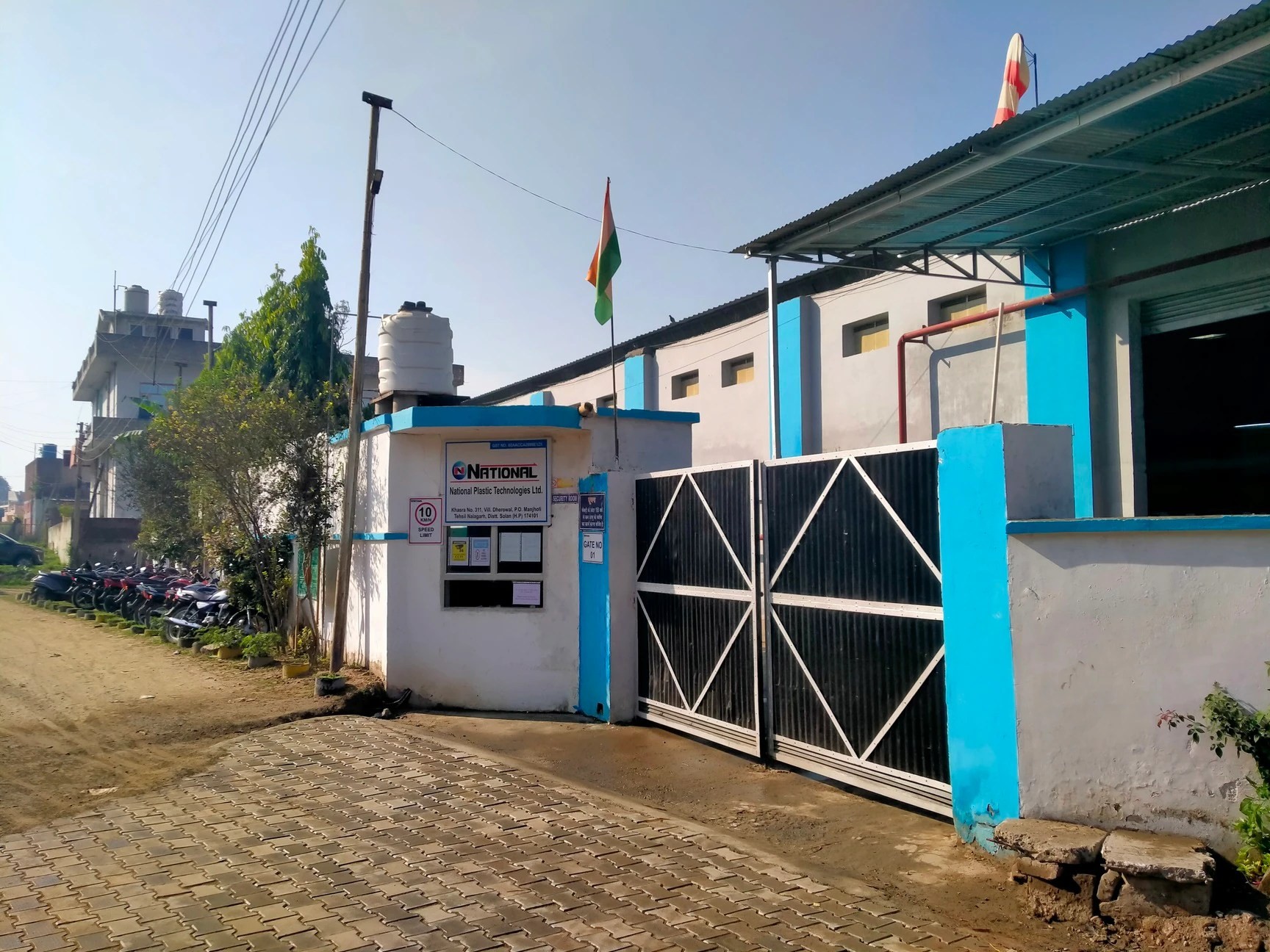
1. At a Glance
Ladies and gentlemen, gather around for a smallcap story that’s less “Silicon Valley” and more “Injection Moulding Saga.” National Plastic Technologies Ltd (NPTL), a humble ₹154 crore market-cap warrior, has quietly been turning melted granules into hard cash — ₹88.9 crore of quarterly sales, to be precise. And if you thought plastic was out of fashion, think again — it’s now going into EVs, not oceans (hopefully).
As of Q2FY26, the company posted ₹2.71 crore in PAT, up 6.7% sequentially. Operating profit margins stayed sticky around 7.7%, which, for a manufacturing SME surviving on wafer-thin spreads, is basically Michelin-star level. EPS for the quarter? ₹4.46, implying an annualized ₹17.8 per share — and yes, that puts the P/E at 16.5×.
With a current price of ₹253 (down 33% YoY, because the market has trust issues), NPTL runs on ₹318 crore in annual sales, ₹9.3 crore PAT, and a commendable 19.1% ROE. Debt-to-equity at 1.04 keeps the lenders awake but not panicking. EV/EBITDA at 8.18x says the market hasn’t completely ghosted it either.
Five plants across India, new Hosur facility adding 2,000 TPA (15% capacity bump), and supplies starting for EV two-wheeler majors — not bad for a company that started with refrigerator knobs and now dreams of electric glory.
2. Introduction – The Plastic that Refused to Die
If you think “plastic” and immediately imagine environmental doom, National Plastic Technologies is here to say, “Relax, I’m recyclable and profitable.” Founded in 1989 — when Doordarshan ruled and Maruti 800s were luxury — NPTL has evolved from a small injection moulding setup into an automotive components supplier with a taste for EV action.
While the world debates sustainability, NPTL quietly sustains its business — making interior trims, lamp housings, HVAC parts, and claddings for big names like TVS Motor, Whirlpool, and Lumax. Basically, if you open a scooter’s headlamp, fridge door, or car dashboard, there’s a chance NPTL’s fingerprints are on it (figuratively, not literally — quality control is decent).
Q2FY26 numbers continue the trend — modest growth, tight margins, but consistent profitability. In an economy where startups burn VC money like incense, NPTL’s ₹2.7 crore quarterly profit looks like a breath of conservative air.
But here’s the twist: the EV transition is bringing fresh wind (and hopefully, cash flows). Its Tamil Nadu plant at Hosur — commissioned in May 2023 — is focused on supplying EV components. That’s the company’s passport to relevance in the next decade.
So, will this old-school moulder reinvent itself in an electric world or just melt under competition? Let’s find out.
3. Business Model – WTF Do They Even Do?
Let’s decode the magic behind “Injection Moulded Plastic Products” — a phrase that sounds boring until you realize it powers everything from washing machines to Teslas (well, maybe not Teslas… yet).
NPTL essentially takes polymer resins, melts them, and shoots them into metal moulds to form plastic components used in automobiles, consumer durables, and two-wheelers. It’s the industrial version of making ladoos — same process, just hotter, denser, and far less tasty.
Its core business spans:
- Interior & Exterior Automotive Trims: Plastic panels that make vehicles look sleek (and