01 — At a Glance
The Subsidy Slot Machine That Runs India’s Farmland
- 52-Week High / Low₹112 / ₹67
- TTM Revenue₹21,624 Cr
- TTM PAT₹195 Cr
- Q3 FY26 EPS₹2.76
- Annualised EPS (Q3×4)₹11.04
- Book Value₹52.3
- Price to Book1.33x
- Dividend Yield2.20%
- Debt / Equity1.77x
- Promoter (GoI)74.71%
The CEO’s Dilemma (Translated): National Fertilizer is India’s 2nd-largest urea producer (12% market share), 74.71% government-owned, 100% dependent on government subsidy reimbursements arriving before bankruptcy comes calling. FY25 was a certified disaster: profit down 24% YTD because urea prices crashed and the FM was too busy with elections to pay the bills. So logically, the stock died (−18.5% in 1 year, −30.7% in 6 months). Welcome to CPSE-roulette, where the house always wins, and you always lose.
02 — Introduction: The Fertilizer Plot Twist Nobody Saw Coming
You Can’t Hire or Fire the Fertilizer Guy When You’re the Government Itself
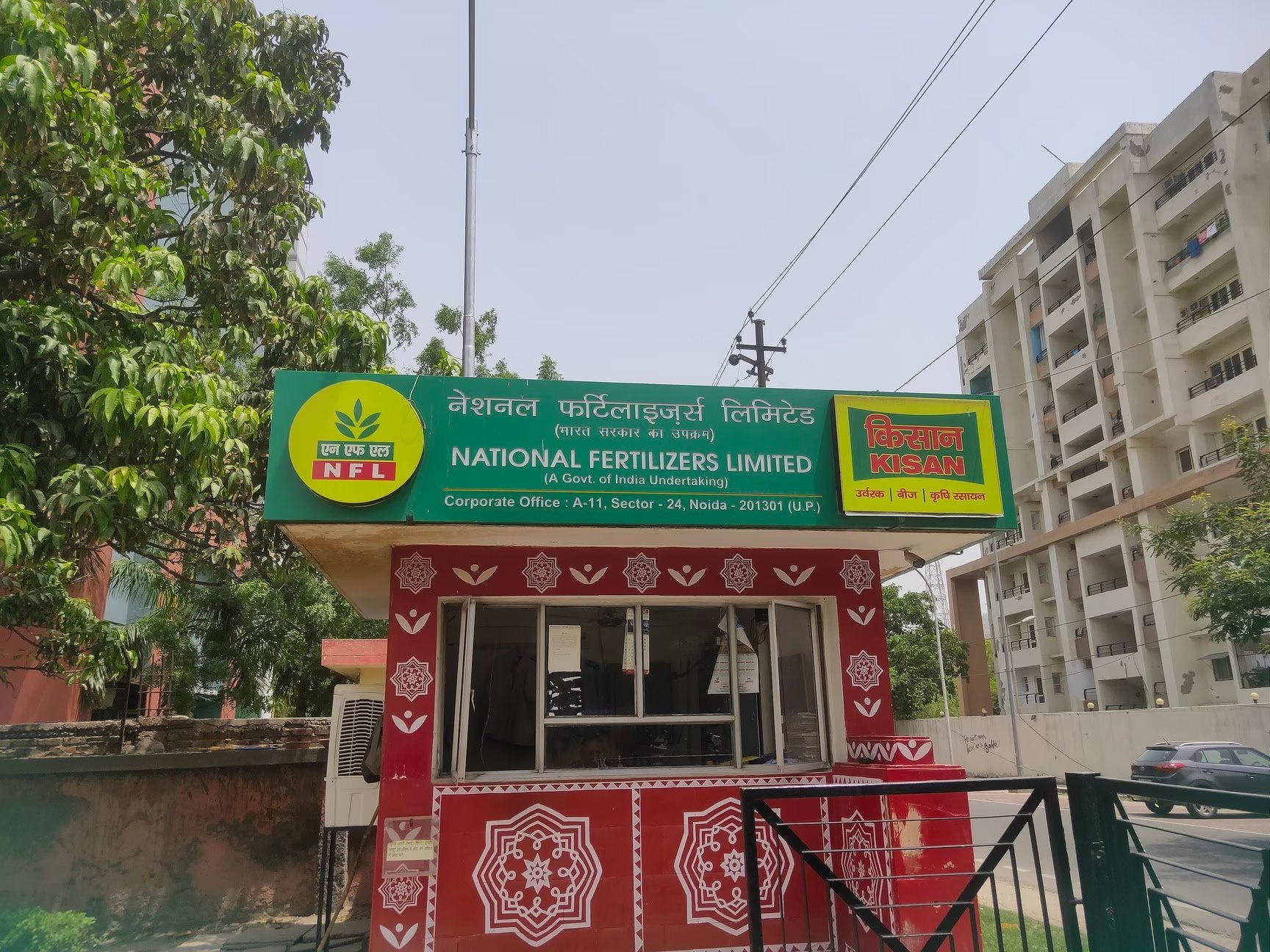
Let’s start with a fact that would make any private equity firm weep blood: National Fertilizer Limited (NFL) is a CPSE. A Central Public Sector Enterprise. The Government of India owns 74.71% of the stock. The CFO retired on March 1, 2026. A replacement was assigned. New plants worth ₹100+ crores get approved like they’re adding a bathroom to a farmhouse. Democracy in spreadsheet form.
The business: manufacture and sell urea (₹21,624 Cr TTM revenue). Plus tiny bits of industrial chemicals, seeds, and agrochemicals nobody cares about. The core problem: urea is a regulated commodity in a subsidy-dependent market. The government sets prices. If your production cost exceeds the government’s set price, the difference is supposed to come from subsidy. If the subsidy doesn’t arrive, you borrow. If your debt ratio explodes, you pray harder. Some quarters the subsidy arrives. Some quarters it doesn’t. Quarterly EPS swings like a Delhi monsoon — violent, unpredictable, and devastating.
Q3 FY26 (Dec 2025) delivered ₹135 Cr PAT on ₹6,870 Cr revenue. A decent recovery from Q2’s ₹36 Cr loss. Debt is down 50% from FY22’s ₹7,645 Cr to FY25’s ₹2,001 Cr (then rebounded to ₹4,537 Cr in Sep 2025 because subsidy delays resumed). The company is investing ₹572 Cr in a new ammonia-urea plant in Assam. The new Director (Finance) took charge in March 2026. Somewhere in Punjab, a farmer got cheaper urea because of this. Somewhere else, that same farmer got annoyed about something unrelated (weather, politics, inflation). The cycle continues.
ICRA Rating Context (May 2025): ICRA reaffirmed NFL’s [ICRA]AA (Stable) rating, citing “steady demand for urea,” “leadership position,” and “exceptional financial flexibility arising out of NFL’s strategic importance to the Government.” Translation: This company is too-politically-important-to-fail as long as farmers need votes and votes need cheap urea.
03 — Business Model: The Great Subsidy Hostage Negotiation
They Make Urea. The Government Decides If It’s Profitable. This Is Not A Business. This Is Public Service Wearing A Tie.
Members get full access to every article.