1. At a Glance – Saree Pe Saree, Numbers Pe Masala
₹133 crore market cap. ₹57 stock price. Recently listed SME stock still enjoying that “new dulhan in sasural” attention. In the last 3 months, the stock politely moved up ~6.4%, while over 6 months it sprinted ~46%, like a wholesaler running after GST bill reconciliation day. Latest H1 FY26 results show quarterly sales of about ₹131 crore and PAT of ₹5.76 crore, with profit growing 46% YoY, which is not small talk in the low-margin textile business. ROE sitting at a spicy 26.1%, ROCE at 18.8%, and P/E chilling at 12.8x when the industry median is busy showing off at ~28x. Debt is ₹80 crore, debt-to-equity at 1.18, which means the company likes leverage but hasn’t gone full Bollywood villain yet. No dividend, but that’s expected — IPO babies usually want to eat before feeding guests. Overall vibe: traditional saree business, modern balance sheet confidence, and numbers that look surprisingly disciplined for a sector known for jugaad accounting.
2. Introduction – Kolkata Ki Saree, SME Ki Kahani
N R Vandana Tex Industries Ltd is not your flashy export-led textile giant supplying Zara or H&M. This is a Kolkata-based, B2B-focused cotton saree powerhouse, quietly supplying wholesalers across India since 1992 — before liberalisation hangover even wore off. The company designs, manufactures, and wholesales cotton sarees, salwar suits, and bedsheets under its brands “Vandana” and “Tanaya.”
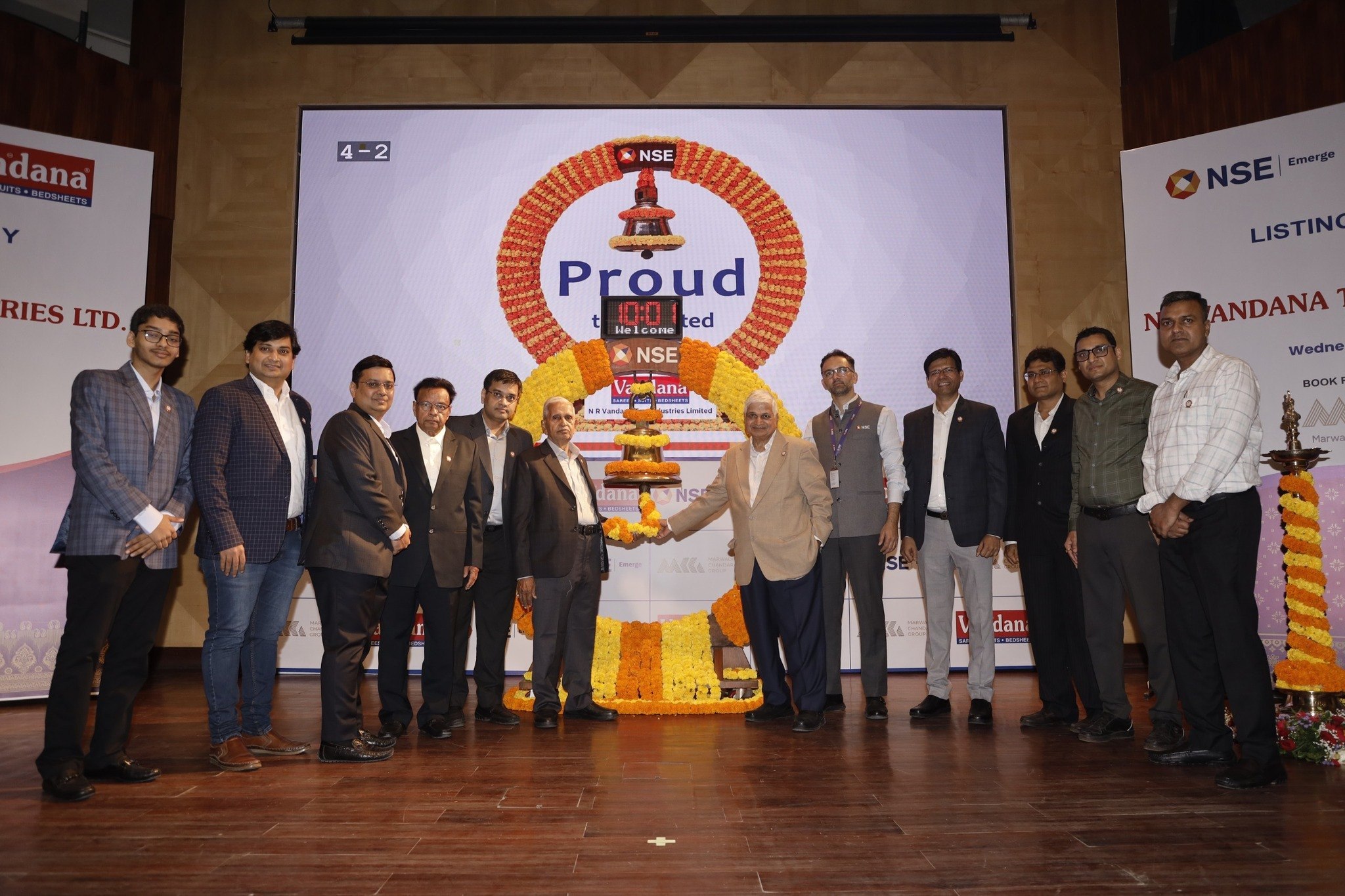
And no, this is not a “startup pivoting to AI” story. This is a proper baniya-style business: manufacture, distribute, collect money (sometimes late), repeat. What makes it interesting now is timing. After decades of operating privately, the company decided to step into public markets in June 2025, raising ₹27.9 crore via IPO, mostly to feed its working capital monster.
Textiles is a brutal industry — low margins, high competition, fashion risk, and customers who bargain harder than aunties at Gariahat. Yet Vandana has survived, grown, and now shows 99% TTM profit growth, which immediately forces investors to sit up and say, “Boss, kuch toh chal raha hai.”
The question isn’t whether sarees sell in India — they always will. The question is whether this saree seller can keep margins, manage debtors, and scale beyond East India without losing its lungi. That’s where the real analysis begins.
3. Business Model – WTF Do They Even Do?
At its core, N R Vandana Tex Industries Ltd does one thing and does it obsessively: cotton sarees. Nearly 98.6% of revenue comes from printed and embroidered sarees. Salwar suits and bedsheets are side characters — blink and you’ll miss them.
The company operates on a B2B wholesale model, supplying over 1,041 wholesalers across 31 states and UTs. No D2C app, no Instagram influencer drama, no midnight discount sales. This is bulk business, cartons moving from Kolkata factory to mandis and distributors across India.
Manufacturing happens in a 39,000 sq. ft. Kolkata facility with in-house capabilities like cutting, dyeing, embroidery, stitching, finishing, inspection, and packing. Capacity stands at 10.6 lakh sarees annually, running at about 85% utilisation, which is respectable and also screams, “Boss, aur demand hai.” To handle volume spikes, the company uses 191 job workers, keeping fixed costs flexible — classic Indian textile jugaad but professionally executed.
Design is not