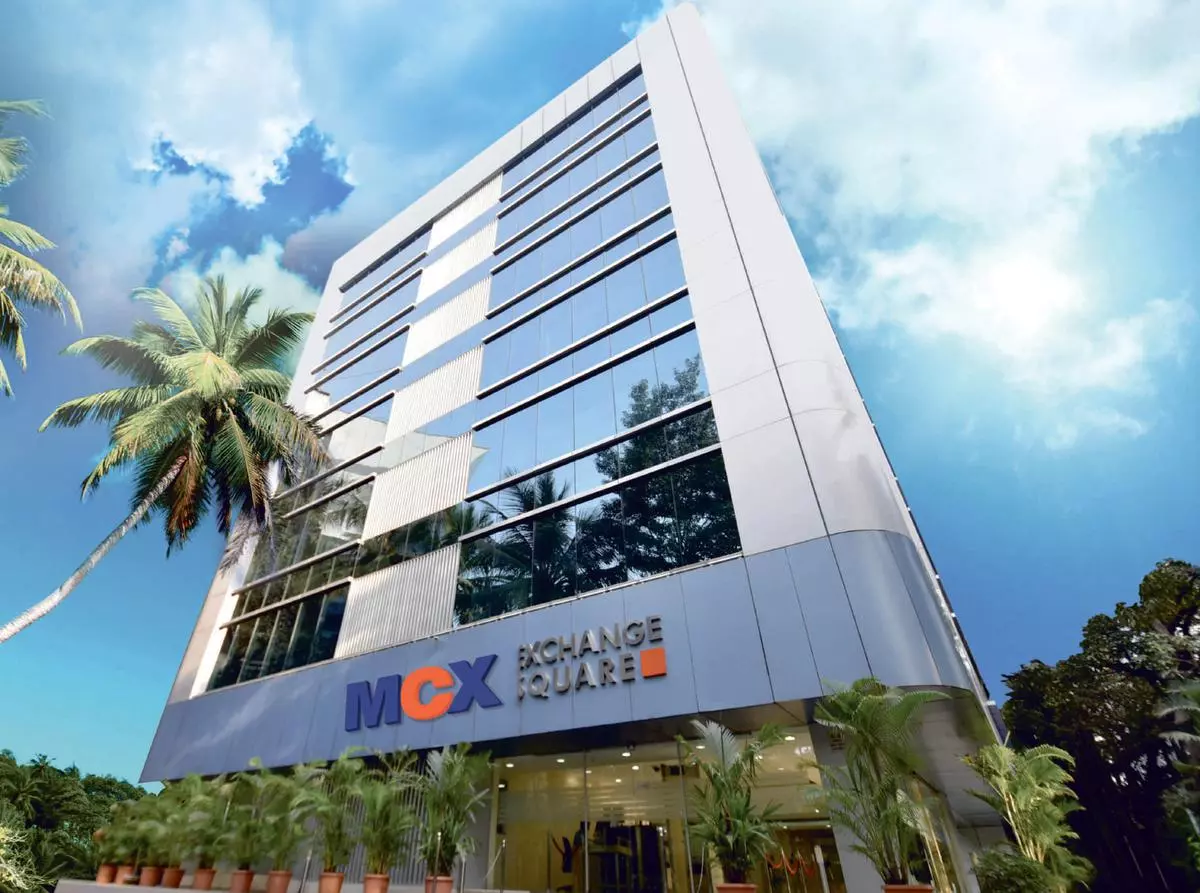
At a Glance
MCX is the undisputed king of commodity trading in India—95.9% market share. It’s like Amazon in commodities: dominant, untouchable, and making competitors irrelevant. The stock trades at ₹7,596 with a sky-high P/E of 59.4. Profits have exploded (TTM growth 274%), margins are 62%, and ROE is a muscular 34%. But hey, it’s also trading at 20.6× book value—that’s “premium” even for a monopoly. Can this golden goose keep laying eggs, or is it heading toward a regulatory frying pan?
Introduction
Imagine running an exchange where you set the rules, charge the fees, and laugh all the way to the bank—welcome to MCX. SEBI-regulated, yes, but the monopoly is so strong it makes other exchanges look like weekend flea markets. The company earns money every time someone bets on metals, energy, or even new electricity futures.
With profits booming and new products launching, MCX is a revenue-generating machine. But high P/E, regulatory risks, and market saturation keep investors sweating harder than traders during a crude oil price crash.
Business Model (WTF Do They Even Do?)
MCX earns from:
- Transaction Fees – Every futures/options contract adds to its cash pile.
- Data & Technology Services – Selling price data and tech solutions.
- Membership Fees – Brokers pay to play on the platform.
- New Derivatives – Recently launched Electricity Futures—because why stop at metals?
Simple: more contracts traded = more revenue. Monopoly ensures pricing power.
Financials Overview
FY25