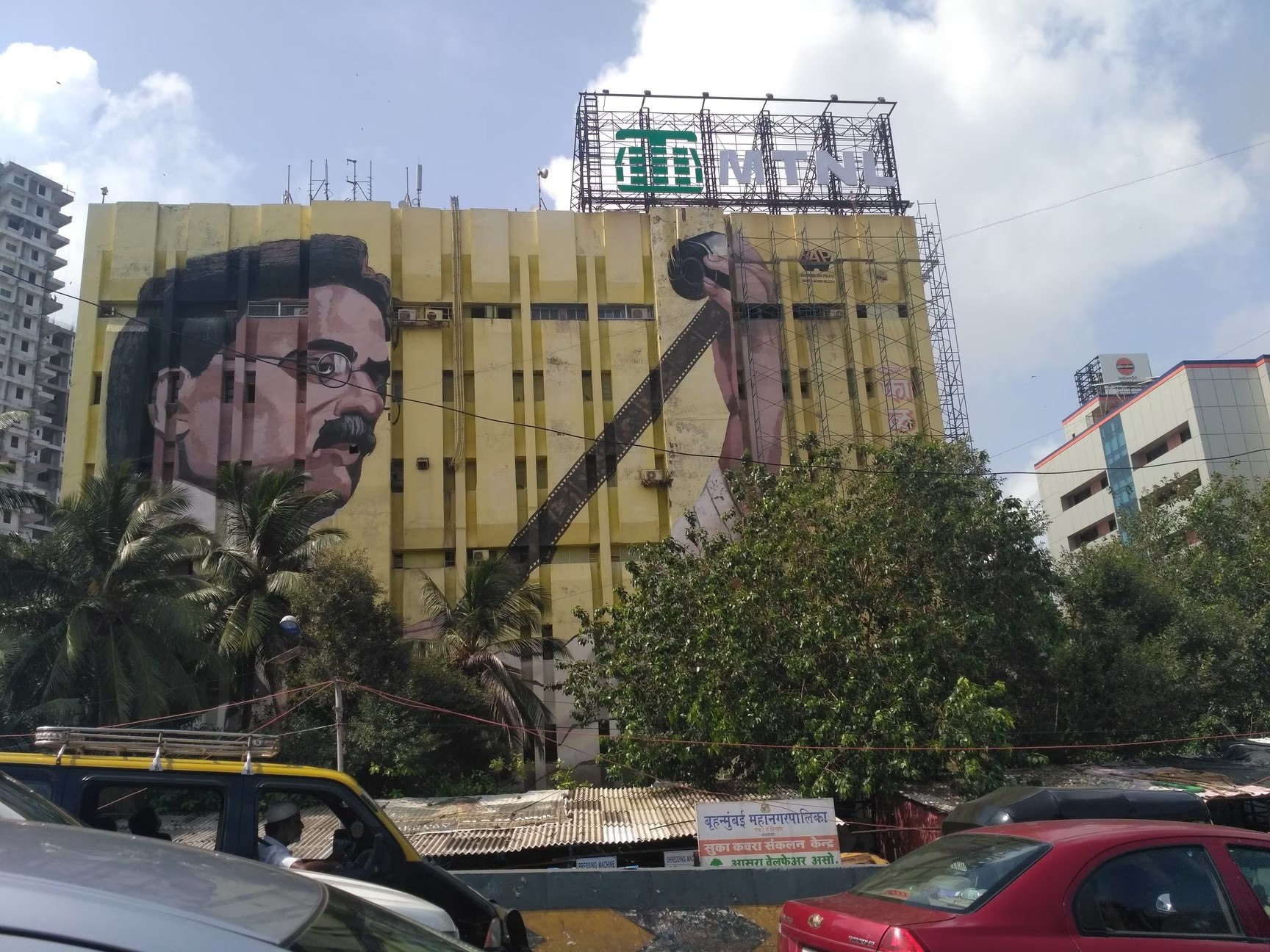
The structural decay of a former public-sector crown jewel often follows a precise mathematical trajectory before hitting terminal velocity. Mahanagar Telephone Nigam Limited (MTNL) closed its fiscal year 2026 with an annual net loss of ₹3,107.25 crore. This marks another year of severe capital erosion, bringing accumulated negative reserves to a staggering ₹30,589.74 crore against an immovable equity capital base of ₹630.00 crore.
While headline operational revenue experienced a technical rebound to ₹956.37 crore from ₹698.02 crore in the prior fiscal year, the entire balance sheet remains frozen in a state of insolvency. Total borrowings have swelled to ₹35,444.57 crore. To put this structure into perspective, the company’s annual finance costs reached ₹2,983.07 crore, meaning that interest obligations outpaced total operational inflows by more than three times.
A company cannot long survive when its cost of capital behaves like an unanchored weight while its core revenue-generating infrastructure is systematically dismantled.
The primary structural anchor keeping the company from outright bankruptcy is an explicit, unconditional, and irrevocable guarantee from the Government of India covering ₹6,500.00 crore in bonds and outstanding non-convertible debentures. However, deep structural liquidity stresses emerged during the year as the company repeatedly failed to fund its designated bank escrow accounts ahead of key coupon payment dates, triggering formal guarantee invocations by the debenture trustees.
Investors are left watching an entity whose operational telecom liabilities have been entirely outsourced to BSNL, leaving behind a pure corporate shell dedicated entirely to debt servicing and asset monetization.
Section 2 — Introduction
Mahanagar Telephone Nigam Limited entered the Indian corporate landscape in 1986 with a highly lucrative mandate: managing the elite telecommunications networks of Delhi and Mumbai. For over a decade, it enjoyed a comfortable monopoly, collecting robust tariffs and achieving coveted “Navratana” status in 1997.
Fast forward to 2026, and the company exists primarily as an accounting marvel where assets go to diminish and liabilities go to compound. Having missed the technological shifts toward high-speed data networks and 5G infrastructure due to chronic capital starvation, MTNL has watched its subscriber base systematically vanish to aggressive private-sector conglomerates.
The current strategy has transitioned from network expansion to survival management. The company signed a comprehensive 10-year service agreement that effectively transferred its entire operational footprint to Bharat Sanchar Nigam Limited (BSNL). BSNL now bears all operational and capital expenditures in exchange for running the circles, a move designed to achieve EBITDA-neutral status for MTNL while management focuses on offloading real estate to satisfy immediate defaults.
Section 3 — Business Model: WTF Do They Even Do?
To understand MTNL’s current business model, one must stop looking at it as a telecom provider and start viewing it as a real estate holding company with an unfortunate legacy debt problem. Historically, the company made money by selling landline, GSM wireless, and broadband connections in India’s two wealthiest metropolitan circles.
Today, that core engine is practically non-functional. The landline market share dropped from a dominant 55.27% to a peripheral standing, while broadband and wireless subscribers dropped consistently for a decade.
The actual operational business model has been completely outsourced. BSNL controls the transmission cables, towers, and optical fibers. Meanwhile, MTNL’s internal focus has shifted to its subsidiaries and joint ventures, like Mahanagar Telephone (Mauritius) Ltd and Millennium Telecom, which try to offer cloud and e-governance solutions to government bodies.
The actual revenue coming into the corporate treasury nowadays consists of real estate lease handovers and structural support from the union budget to ensure sovereign bond defaults don’t trigger an international credit crisis.
Section 4 — Financials Overview
Figures are consolidated, in ₹ crore.
Quarterly Performance Trend
Metric
Mar 2026
Dec 2025
Sep 2025
QoQ (%)
YoY (%)
Revenue
370.51
210.60
189.76
75.93%
77.26%
Operating Profit
59.65
-27.59
-108.44
316.20%
179.37%
PAT
-306.95
-896.94
-960.21
65.78%
60.84%
Reported EPS (₹)
-4.87
-14.24
-15.24
65.80%
60.85%
The final quarter of fiscal 2026 showed a sudden, non-operational spike in both revenue to ₹370.51 crore and operating profit to ₹59.65 crore. However, a closer inspection reveals this was driven by a massive recognition of other income and asset adjustments rather than