Mold-Tek Packaging Ltd Q2FY26 – ₹210 Cr Revenue, ₹15.5 Cr PAT, 19% OPM, and a Plastic Empire Expanding into Pharma & FMCG: From Paint Buckets to Packaged Profits
1. At a Glance
Mold-Tek Packaging (MTPL) isn’t your average “dabba” company — it’s India’s answer to the world’s obsession with good packaging. With Q2FY26 revenue at ₹210 crore, PAT of ₹15.5 crore, and operating margins steady at 19%, the company has managed to wrap growth and profits in the same container.
Despite a sluggish paints sector and volatile polymer prices, Mold-Tek delivered a 9.7% YoY increase in profit and 9.6% growth in sales. Market cap stands at ₹2,443 crore, with a P/E of 36.4x — clearly, the market is paying luxury prices for this plastic royalty.
The stock currently trades at ₹731, down from its ₹893 high, but up 45% in the last six months. The return rollercoaster resembles an IPL scorecard — volatile but entertaining.
With new capacity coming online at Cheyyar (Tamil Nadu) and Sultanpur (Telangana), and pharma packaging kicking off, the company’s story is no longer just “paint buckets and oil jars.” It’s morphing into a full-blown FMCG and pharma packaging powerhouse — one robot at a time.
So yes, it’s still plastic — but with a margin profile that would make even IT companies jealous.
2. Introduction – From Buckets to Brands
Let’s be honest — packaging companies rarely make headlines unless they’re choking a turtle. But Mold-Tek has somehow made injection-molded containers sound aspirational. Founded decades ago by J. Lakshmana Rao, the company is now a leader in rigid plastic packaging for the likes of Asian Paints, Amul, Haldiram’s, Mondelez, Dabur, Adani Wilmar, and P&G.
And while most smallcaps struggle to balance growth and innovation, Mold-Tek builds its own robots, molds, and labels — all in-house. They literally design their own machines to design packaging for your butter tub.
Their 12 manufacturing plants and 2 stock points across India make 50,000+ metric tonnes of molded plastic annually. And now, they’re going full throttle with a ₹250 crore capex plan to hit 60,000 MTPA capacity.
Q2FY26 proved that even when raw material costs move like crypto prices, Mold-Tek keeps margins steady through design-led premium products and automation. The company doesn’t just sell packaging — it sells confidence that your ketchup, cream, or grease will arrive Instagram-ready.
3. Business Model – WTF Do They Even Do?
Imagine a company that makes the tubs for Amul ice cream, the buckets for Asian Paints, and the jars for Haldiram’s sweets. That’s Mold-Tek — the Apple of buckets, minus the iPhone.
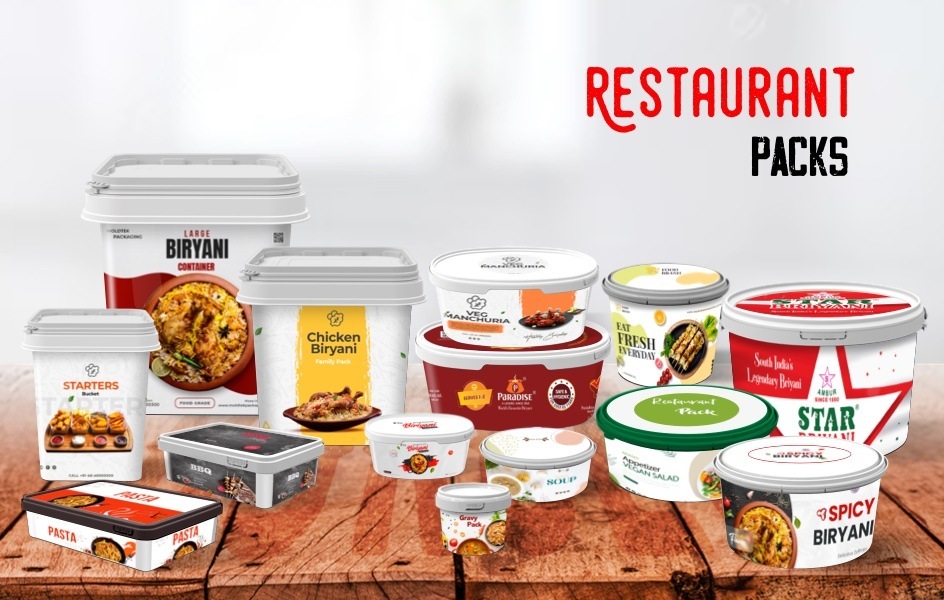
Its business revolves around Injection Molded Packaging — a fancy term for creating high-quality plastic containers used in lubricants, paints, food, and pharma. But the real magic lies in In-Mold Labeling (IML) — a technology where the label is fused with the container during molding, creating a premium look that your local pickle jar can only dream of.
Product Segments:
Paints & Lubes: 55% of revenue, the bread and butter (and oil) of the business.
FMCG & Food: 30% — growing rapidly thanks to ice cream tubs, snack jars, and dairy packs.
Pharma: New vertical launched in FY24, early signs point to solid traction.
Others: 15% — seeds, fertilizers, and cosmetics packaging.
Mold-Tek has mastered vertical integration like a packaging mafia — it makes its own molds, robots, and IML labels. This gives it unmatched cost efficiency and turnaround speed.
When competitors outsource half their work, Mold-Tek’s engineers are busy programming robots in-house. In other words — this is less of a packaging firm, more of a mechanical engineering startup that just happens to sell containers.