1. At a Glance
Artificial leather, real profits. Mayur Uniquoters (MUL) is strutting around the stock market like it just walked out of a Bata showroom with Bata paying the bill. With a market cap of ₹2,225 Cr, current price of ₹506 (after falling 10% in 3 months), and P/E of 15x, it’s the organized desi monopoly in synthetic leather that Maruti, Tata, Hyundai, and Bata can’t stop buying. Sales in FY25 hit ₹832 Cr, PAT ₹148 Cr, with juicy OPM of ~22% — which would make even premium FMCG players jealous. But here’s the kicker: while Europe is fighting for genuine cowhide, Mayur is quietly selling PVC-PU leather sheets to auto OEMs, footwear giants, and exporting 30% of revenue abroad. Question is — will this synthetic fashion hold its stitch, or will investors tear it apart like an old rexine sofa?
2. Introduction
Every Indian middle-class household has had Mayur in its life — they just don’t know it. That rexine sofa in 2002? Mayur. Your school shoes from Bata or Action? Mayur. That flashy seat cover in your cousin’s Swift? Mayur again. The company doesn’t make leather, it makes memories — fake ones.
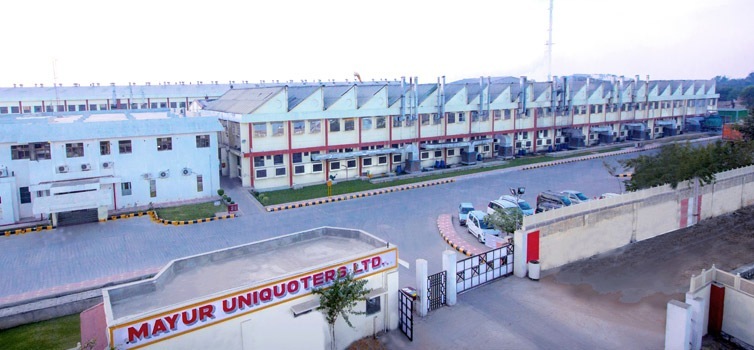
Founded by Suresh Poddar, MUL has grown from being a humble PVC fabric player in Jaipur to becoming India’s largest synthetic leather producer. While rivals cry about Chinese dumping and EU tariffs, Mayur has quietly maintained 20%+ margins, kept debt close to zero, and even had the audacity to announce a buyback at ₹800 last year when the stock now trades at ₹506. (Shareholders are still crying in PU tears).
But the company isn’t just chilling. With 400+ product variants, exports to 50+ countries, clients like Maruti Suzuki, Hyundai, Bata, and Relaxo, plus a retail furnishing play under “Texture & Hues,” Mayur wants you to believe it’s not just rexine but luxury. And now, with a Lithuania textile acquisition and an abandoned Mexico capex, the detective in us smells both ambition and jugaad.
So let’s peel back this leather and see if there’s foam inside.
3. Business Model – WTF Do They Even Do?
Mayur is basically India’s largest legalised “fake leather” cartel. Here’s the recipe:
- Take a base fabric.
- Coat it with PVC or PU.
- Print, emboss, or texture it till it looks like real leather.
- Sell it to auto OEMs, footwear companies, and furnishing brands.
The end products: shoes, seat covers, bags, sofas, belts, jackets, and more. Basically everything except your marriage certificate is coated with Mayur’s PVC.
Revenue Mix Q3 FY25:
- Exports: 30% (Dollar dreams, rupee reality)
- Footwear: 23% (Bata’s favourite child)
- Domestic OEM: 22% (Maruti, Tata, Hyundai)
- Auto Replacement: 21% (after-market seat covers and dashing mats)
- Furnishing & Others: 4% (those rexine sofas in your uncle’s drawing room).
The beauty? 700+ dealer network in India, growing to 1,000. 48.6 Mn meters PVC annual capacity, 5 Mn meters PU,