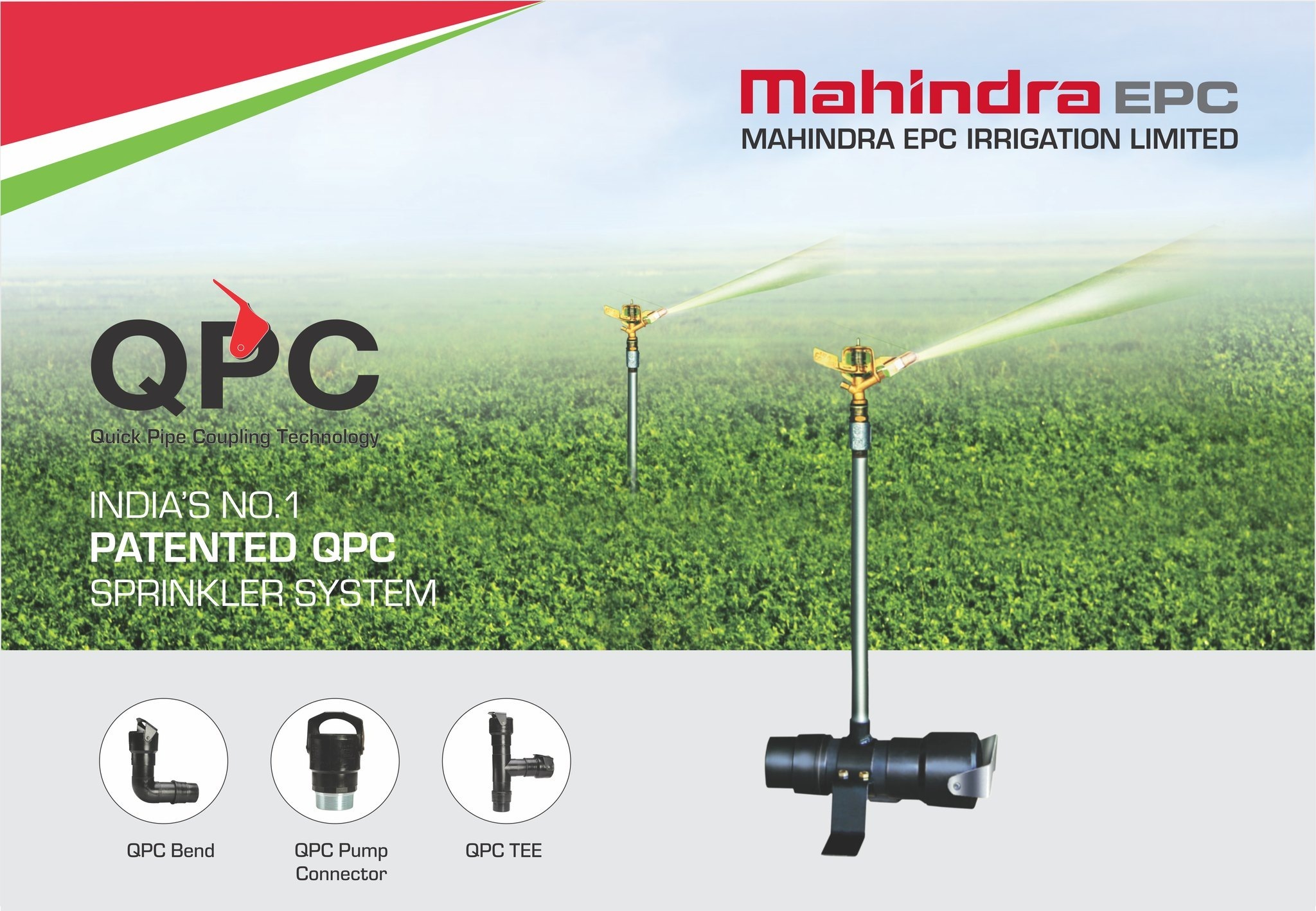
1. At a Glance
There are some companies that quietly compound. Then there are some companies that spend years looking like a broken tap, only to suddenly start throwing water everywhere. Mahindra EPC Irrigation seems to belong to the second category.
After years of inconsistent profitability, subsidy headaches, delayed government payments, and working capital that looked like it had gone missing in a village pond, the company has suddenly reported one of its strongest years in recent history.
FY26 revenue rose to ₹312 crore versus ₹273 crore in FY25. PAT jumped to ₹12.7 crore from ₹7.1 crore. Operating margin improved to 7% from 5%. Q4 alone delivered ₹107 crore revenue and ₹4.79 crore PAT.
But before investors start dancing in sprinkler systems, there is a catch.
Trade receivables have exploded to nearly ₹247 crore combined across current and non-current assets. Debtor days are now sitting at a terrifying 254 days. That means Mahindra EPC is effectively doing business for eight months before getting paid.
This is what happens when your customers are often government-linked subsidy programs. The company sells drip irrigation systems today, but the cash arrives sometime between the next monsoon and the next election.
The funny thing is that despite all this, management seems oddly calm.
They have deliberately shifted the business toward non-subsidy products, institutional sales, and smaller irrigation projects. Non-subsidy business was just 3% of revenue in FY20. In H1 FY26, it became 37.8%. That is a huge shift. Management says this is their way of “shock-proofing” the business against subsidy delays, GST changes, elections, and weather disruptions.
And frankly, they may need all the shock absorbers they can get.
The industry itself is attractive. India has only about 18% penetration in micro irrigation despite massive water shortages. Government targets are ambitious. But the sector remains dependent on subsidy releases, state budgets, and political willpower.
In other words, Mahindra EPC is selling products for the future, but collecting money like it is still waiting for the past.
The market cap is only around ₹341 crore, stock P/E is 24, and the company trades at 1.8 times book value. For a Mahindra-backed business with improving profitability, that does not look very expensive.
But investors should ask themselves one important question.
Is this finally the beginning of a proper turnaround story, or just another good year before working capital swallows the profits again?
2. Introduction
Mahindra EPC Irrigation is one of those companies that sounds boring until India gets a bad monsoon.
Then suddenly everybody remembers that water is important, farmers need irrigation, and governments start throwing subsidy schemes around like festival coupons.
The company is part of the Mahindra group’s agriculture business. It sells drip irrigation systems, sprinklers, HDPE pipes, greenhouse solutions, filters, automation systems, and various water management products.
Think of it as a company that makes farming less dependent on rain and more dependent on pipes, pumps, and plastic tubing.
The business has been around for decades, but its financial history has been anything but smooth. Revenue growth over the last five years has been only 4%. ROE over three years has been barely 5%. The company has had years of losses, negative operating cash flow, and weak margins.
Then FY26 happened.
Revenue grew 14.5%. PAT growth was almost 97%. ROCE crossed 10%. Margins improved. And importantly, the company managed to grow even though management described the overall industry as “de-growth or flattish” because of excessive rains and weak demand in H1.
That is not bad.
Management says incessant rains from May to October disrupted installation activity. Apparently even irrigation companies suffer when there is too much water.
Despite that, Mahindra EPC performed better than the industry by focusing on non-subsidy products, projects, select states, and tighter commercial discipline.
The big theme here is diversification.
The company is trying hard to reduce its dependence on subsidy-linked business because subsidy businesses come with terrible cash collection cycles.
Management openly admitted that subsidy growth “comes at a cost” because even if sales increase, working capital gets stretched badly.
That explains why they are focusing on products like thin-wall pipes, institutional sales, and smaller irrigation projects.
The other big story is order wins.
In the last 18 months, the company has received multiple contracts ranging from ₹4 crore to ₹19 crore for community irrigation projects and supply of micro irrigation systems.
There is also an unrecognized irrigation project pipeline of about ₹76 crore.
So yes, there is growth visibility.
But the balance sheet tells another story.
Borrowings rose sharply to ₹45 crore in FY26 from ₹25 crore in FY25. Receivables are massive. Operating cash flow was negative ₹16 crore.
The company is profitable on paper. The challenge is whether it can become profitable in the bank account too.
3. Business Model – WTF Do They Even Do?
Mahindra EPC basically sells products that help farmers use less water and get better crop yields.
Its main categories are:
- Drip irrigation systems
- Sprinkler systems
- HDPE pipes and coils
- Protected cultivation and greenhouses
- Automation products
- Filters, tanks, and fittings
- Mulch sheets and DIY kits
Drip irrigation is the most important segment. Instead of flooding an entire field, drip irrigation delivers water directly to the plant roots.
This saves water, fertilizer, electricity, and labour.
Management says studies show that micro irrigation can improve productivity by 30-40% while reducing costs by 20-30%.
That is why the industry has a strong long-term future.
The company also offers services like crop advisory, project management, technical support, and irrigation design.
This is important because irrigation is not like selling साबुन or toothpaste. Farmers need installation, layout planning, maintenance, and guidance.
The