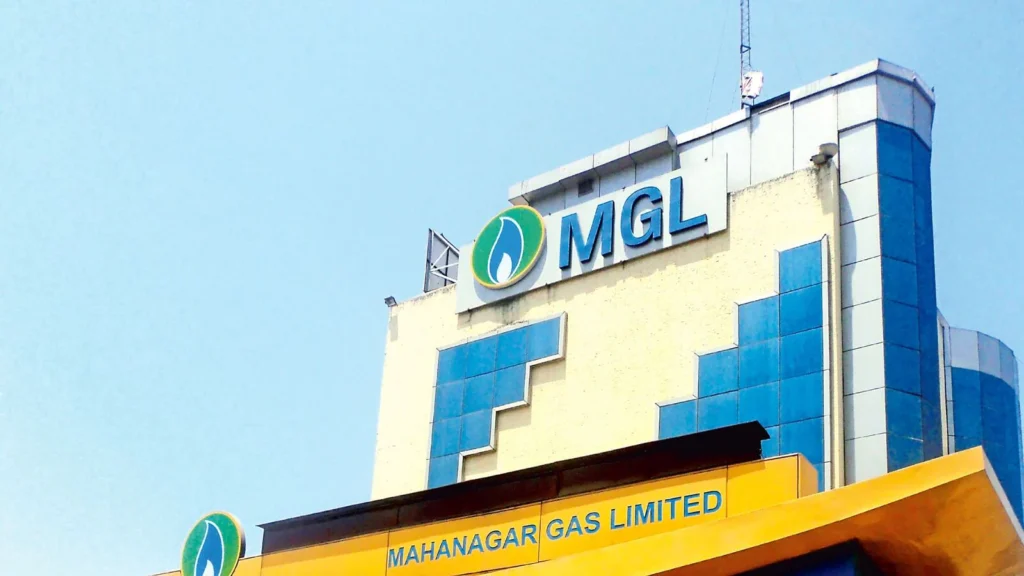
Mahanagar Gas (MGL) just dropped its Q1 FY26 numbers, and honestly, the results look like a well-behaved school kid who still gets scolded because the teacher (read: Government gas allocation) changes her mind every week. Sales grew 24% YoY to ₹1,976 Cr, PAT rose 14% YoY to ₹324 Cr, and OPM shot up to 25%. Not bad at all. But lurking in the background? A fat ₹54 Cr GST penalty, gas allocation whiplash (down 18% in April, up 26% in January, down 20% in October—make up your mind, sir!), and the existential crisis of being forever at the mercy of APM quotas. Basically, MGL is profitable, efficient, and debt-free—but still living like a tenant waiting for the landlord’s notice.
2. Introduction
Mumbai may run on cutting chai and vada pav, but the vehicles, kitchens, and hotels behind it all run on one invisible hero: piped natural gas from MGL. The company is the bloodline of India’s most chaotic metropolis, with 25 lakh homes plugged in, 10 lakh vehicles slurping CNG, and BEST buses puffing along with compressed dignity.
Yet, being Mumbai’s gas distributor is like being the family member who pays the bills but still needs permission for the TV remote. The government decides how much subsidized gas MGL gets, the regulator decides who else can play in its backyard, and customers—oh dear customers—throw tantrums if prices are hiked by even ₹2/kg.
But here’s the twist: MGL has quietly been diversifying. Acquisitions like Unison Enviro expanded it into Ratnagiri and Karnataka. Tie-ups with the Navy mean South Mumbai defence families get piped gas without LPG cylinder drama. And new LNG stations for trucks plus a biogas plant with BMC means the company is not just pumping molecules—it’s also sniffing out new molecules.
Q1 FY26 shows a lean and disciplined player: 25% OPM, ₹324 Cr PAT, and annualized EPS of ₹131. But the stock? Down ~29% YoY because investors realized profits can’t always outrun regulators. The irony? At 11.8x P/E, the stock is cheap compared to peers like Gujarat Gas (26x) or Adani Total Gas (103x). Basically, the market has thrown MGL into the “conservative uncle” bucket—reliable, dividend-paying, but not exciting.
So the big question: Can Uncle MGL reinvent himself as a cool startup dad, or will he remain the dependable but underappreciated cash cow?
3. Business Model – WTF Do They Even Do?
At its core, MGL is a City Gas Distribution (CGD) monopoly in Mumbai, Thane, and Raigad. Translation: it builds pipelines, imports gas (from GAIL or spot markets), and sells it to three categories of people:
Automotive CNG (69% of revenue Q2 FY25)
347 CNG stations feeding ~10 lakh vehicles.
2,300+ buses from BEST, TMT, MSRTC, etc. run on it.
Volumes up 22% in 2 years (because Ola/Uber switched to CNG to save fuel bills).
Basically, they are the petrol pump of the future.
Piped Natural Gas (30%)
Domestic PNG (24.9 lakh households): The aunties of Bandra now boast about PNG connections like they once boasted about modular kitchens.
Industrial/Commercial (4,769 clients): Hotels, restaurants, hospitals—all hooked up. This is the juicy margin segment.
Automotive LNG (1%)
Their first LNG station at Savroli saw volumes shoot from 700 Kg/day to 4,000 Kg/day in a year.
Planning 6 new LNG stations—because India’s truckers may finally stop flirting with diesel.
New Ventures
Biogas plant with BMC: Turning Mumbai’s food waste into gas. (Yes, your leftover pav bhaji could fuel an Uber).
JV with International Battery Co. (₹385 Cr planned). Diversification = survival.
Narrator’s Roast: They’re not explorers, refiners, or producers. They’re middlemen with pipelines. But in Mumbai, being a middleman is not an insult—it’s a superpower.
4. Financials Overview
Metric
Latest Qtr (Q1 FY26)
YoY Qtr (Q1 FY25)
Prev Qtr (Q4 FY25)
YoY %
QoQ %
Revenue
1,976 Cr
1,590 Cr
1,865 Cr
24.3%
6.0%
EBITDA
485 Cr
418 Cr
378 Cr
16.0%
28.3%
PAT
324 Cr
285 Cr
252 Cr
13.7%
28.6%
EPS (₹)
32.8
28.8
25.5
13.9%
28.6%
Commentary: Quarter-on-quarter, MGL has done a Rocky Balboa comeback. YoY growth looks decent, but the real kicker is the QoQ jump: 28% PAT improvement after gas allocation stabilised. Annualized EPS = ₹131. At CMP ₹1,299, P/E = ~9.9x (cheaper than a vada pav combo).
5. Valuation Discussion – Fair Value Range
Let’s put three calculators on the table:
P/E Method
Annualized EPS = ₹131.
Sector P/E range: 18–25x (Adani Total Gas is at 103x, but let’s ignore the circus).