1. At a Glance
Madras Fertilizers Ltd (MFL) is that one PSU stock which behaves like your old scooter – sputters, stalls, but somehow still gets you from point A to B. With a market cap of ₹1,422 Cr, a current price of ₹88, and a 3-month return of -4.7% (basically, the market ghosted it), the company runs a high-risk romance with subsidies – nearly 75% of revenue is government income support. It posted sales of ₹672 Cr in Q1 FY26 with PAT ₹44 Cr, showing that fertilizer is not just for crops but also for keeping this company’s books alive. At P/E of 21x, it’s cheaper than Coromandel’s 33x but still expensive given the perpetual dependence on babu clearances. Debt is a juicy ₹1,594 Cr, and the book value is technically negative. Yes, negative. Think of it as the company charging rent for its own existence.
2. Introduction
Picture this: A PSU set up in the 1960s with dreams of turning India self-sufficient in fertilizers. Fast forward to today, it’s like watching a government TV channel trying to compete with Netflix – outdated, underfunded, yet somehow still around because nobody dares to pull the plug.
Madras Fertilizers lives in a world where subsidy payments from Delhi decide the quarterly mood. If subsidies are cleared on time, shareholders cheer. If not, they sulk. It’s less business, more bureaucratic blind date.
Meanwhile, global fertilizer giants are investing in green hydrogen, AI-driven nutrient management, and next-gen agri-tech. MFL? It’s busy switching feedstock from naphtha to RLNG, which in 2025 is like proudly announcing you moved from floppy disks to pen drives.
But don’t laugh too much – the stock has given 39% return in 5 years, mostly because fertilizer demand never dies. The real question: is this a revival story in slow motion or a PSU that will forever need IV drips from the exchequer?
3. Business Model – WTF Do They Even Do?
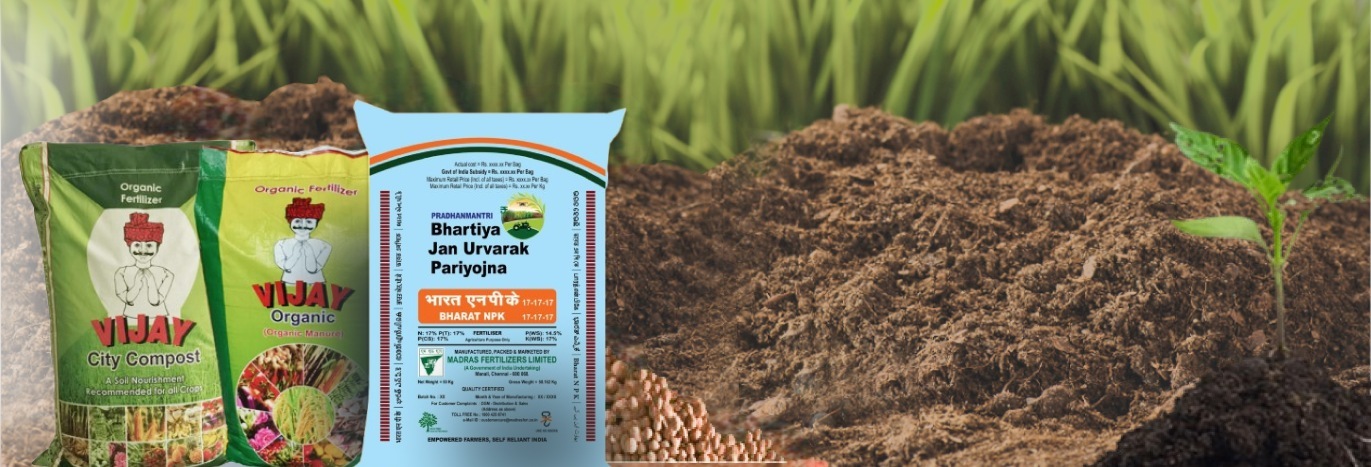
MFL makes urea, NPK complex fertilizers, biofertilizers, neem products, and city compost under the very patriotic brand “Vijay.” Yes, your paddy could be growing thanks to Vijay, not Devarakonda but the fertilizer.
Here’s the business split:
- Subsidy Income (from GoI): ~75% of revenue. Basically, Sarkar Babu is their biggest client, investor, and auditor rolled into one.
- Product Sales: ~25%. This includes Vijay Urea, Vijay Complex Fertilizer, Vijay Bio-Fertilizer, and other eco-friendly agro-products that sound like they came from a Swachh Bharat