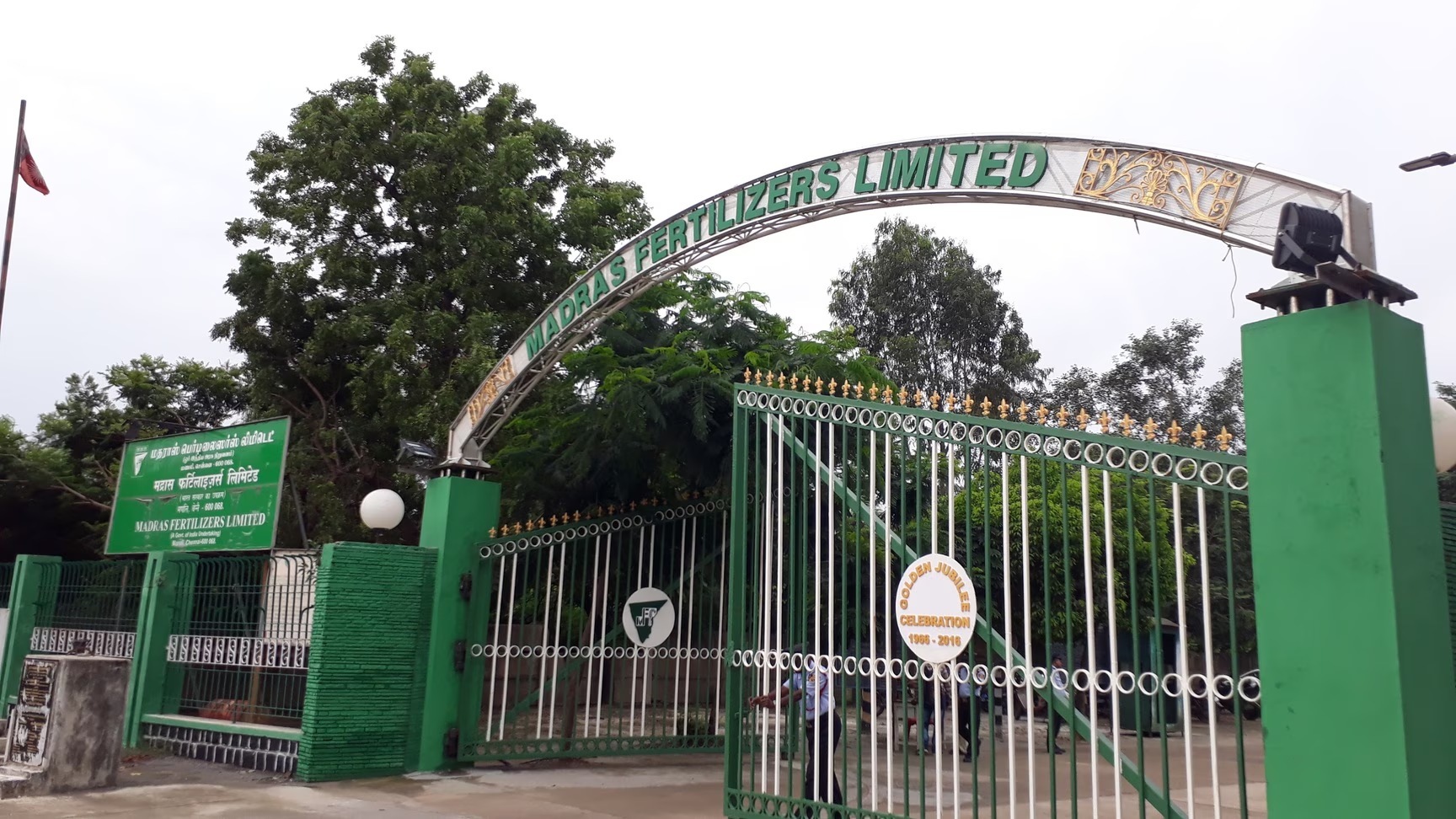
1. At a Glance
Madras Fertilizers Limited (MFL) is currently a theater of extreme financial drama. We are looking at a company that has spent years in the intensive care unit of Indian industry, only to suddenly report a positive net worth of ₹19 crore as of September 2025. While that sounds like a victory lap, don’t break out the champagne just yet.
The air is thick with a ₹916 crore contingent liability cloud that refuses to dissipate. For a company with a market cap of roughly ₹1,113 crore, having nearly 80% of your value tied up in potential legal and tax disasters is enough to give any auditor a sleepless night.
Investors are flocking to this story because of a “turnaround” narrative. Sales are hovering around ₹2,300 crore, and the company has successfully pivoted from Naphtha to RLNG, which has drastically improved energy efficiency. In fact, their urea capacity utilization hit 103% in H1FY26.
But here is the catch: 85% of their revenue comes from Government subsidies. This isn’t just a business; it’s a government-backed lifeline. If the subsidy tap tightens or energy norms are revised unfavorably—as seen in the ₹153 crore deduction for 9MFY26—the bottom line gets shredded.
The company is currently pleading with the Government of India (GoI) to forgive ₹957 crore in accrued interest. It is a high-stakes poker game where the dealer is also the majority shareholder. If the GoI says “no,” the positive net worth vanishes instantly.
Can a company with ₹634 crore in debt and a history of chronic losses truly reinvent itself, or is this just a temporary spike fueled by accounting gains and fair value adjustments? Let’s peel back the layers of this South Indian fertilizer giant.
2. Introduction
Madras Fertilizers Limited is a classic Public Sector Undertaking (PSU) story. Born in the 1960s, it has survived decades of shifting agricultural policies, feedstock crises, and financial near-death experiences. Today, it stands as a dominant force in South India, commanding a 21% market share in Urea in Tamil Nadu.
The company’s survival has historically been linked to its ability to produce Urea, NPK, and Bio-fertilizers under the ‘Vijay’ brand. However, the operational reality is often more complex than the marketing brochures suggest. For years, MFL was hampered by high-cost Naphtha feedstock, leading to consistent cash losses.
The narrative changed in July 2019. The migration to Regasified Liquefied Natural Gas (RLNG) was the equivalent of a heart transplant. Efficiency improved, and the company finally started breathing again. But even with a “new heart,” the body is covered in the scars of old debt.
We are looking at a business where the President of India holds a 59.50% stake, and the Naftiran Intertrade Company (an affiliate of National Iranian Oil Company) holds 25.77%. This unique ownership structure makes MFL a geopolitical and domestic policy play as much as a financial one.
The latest numbers show a Net Profit of ₹21 crore for the March 2026 quarter, a significant jump compared to the volatility of previous years. However, with the complex fertilizer plant remaining non-operational, the company is essentially a one-trick pony relying heavily on Urea.
3. Business Model – WTF Do They Even Do?
If you think MFL sells fertilizers to farmers and collects cash, you’re only 15% right. In reality, they are a processing plant for government subsidies. In FY25, 85% of their income was derived from government subsidy payments.
The core of the business is the production of Ammonia and Urea. They have the capacity to churn out 4.86 Lakh MT of Urea annually. When the plant runs at 103% or 109% capacity, they are efficient. When it shuts down for 37 days—as it