Lynx Machinery & Commercials Ltd Q2/H1 FY26 – ₹0 Sales, ₹-0.36 Cr Quarterly Loss, ₹13 Cr Debt: When a Machinery Company Stops Making Noise
1. At a Glance – Blink and You’ll Miss the Business
Lynx Machinery & Commercials Ltd is that one BSE-listed company that looks like it should be doing something industrial, metallic, and loud—but instead prefers silence, paperwork, and the occasional courtroom visit. Incorporated in 1984, with a market cap of about ₹17.5 crore and a current price hovering around ₹170, this company has achieved something rare in Indian capital markets: zero sales while still managing losses, borrowings, and board meetings. Over the last three months, the stock is up ~4.2%, which tells you more about Indian small-cap sentiment than about Lynx’s operations. The latest quarter (Q2 FY26 / Sep 2025 half-yearly disclosure) shows a quarterly loss of about ₹0.36 crore, no operating revenue, negative ROCE (-6.07%), negative EPS, and debt of roughly ₹13 crore. Book value is negative. Yet, promoter holding stands tall at ~68%. Curious? Confused? Mildly alarmed? Good—read on.
2. Introduction – A Company Stuck Between a Factory and a Courtroom
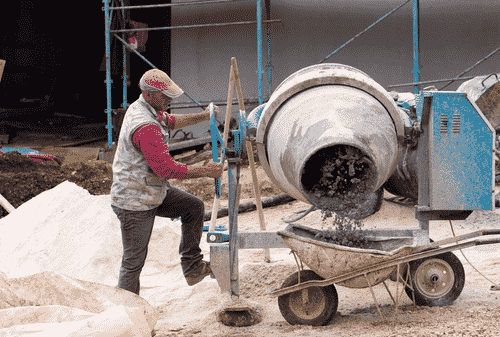
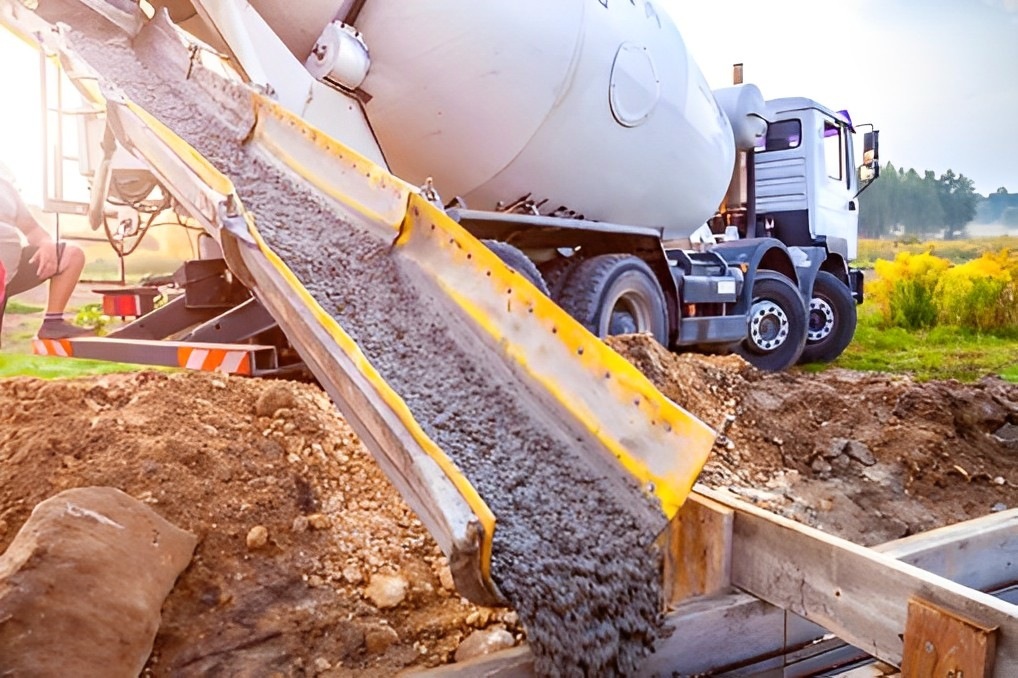
Lynx Machinery & Commercials Ltd started life like many 1980s manufacturing hopefuls—machines, mixers, pumps, the whole industrial starter pack. Concrete mixers, asphalt mixers, centrifugal pumps: proper “make in India before it was cool” vibes. Fast forward four decades, and the company’s current identity is less about manufacturing and more about warehousing, commodity trading, commission income, and legal footnotes.
Operational revenue has been missing in action for years. FY21 had no operational revenue except “Other Income,” and the trend hasn’t meaningfully changed since. Quarterly sales remain at ₹0.00 crore. Expenses, however, never got the memo. Losses continue politely every year, as if to maintain corporate continuity.
If you’re wondering how such companies survive on the exchange, welcome to the great Indian small-cap paradox: existence does not require operations; it merely requires compliance. And Lynx complies—quarter after quarter.
3. Business Model – WTF Do They Even Do?
Officially, Lynx is in warehousing, trading, and investments. Historically, it manufactured machinery like concrete mixers and asphalt plants. Practically, today, it does commodity trading and earns commission income—at least in theory.
In reality, the P&L suggests a business model best described as “strategic inactivity with administrative expenses.” There is no visible operating revenue. There is no segment disclosure showing active manufacturing. There is, however, a steady stream of expenses, interest costs, and losses.
The directors are “exploring opportunities” in commodity trading. This phrase appears in many annual reports across India and usually translates to: Excel sheets, WhatsApp forwards, and maybe one PowerPoint. Whether those explorations will ever show up as revenue remains an