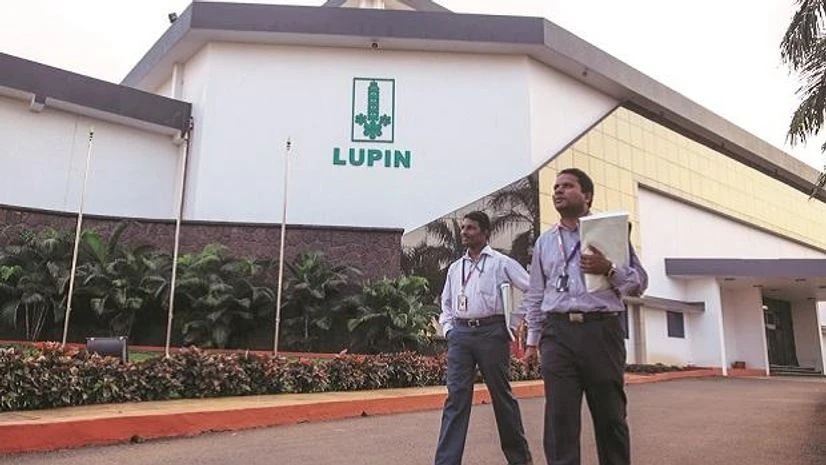
Lupin Ltd Q2FY26: ₹68,314 Mn Revenue, ₹14,848 Mn PAT – India’s Pharma Comeback King Reclaims its Mojo with a ₹6,589 Mn Divestment Gain and European Shopping Spree
1. At a Glance
When your doctor prescribes antibiotics, there’s a 1 in 5 chance you’re swallowing Lupin’s handiwork. And now, Lupin Ltd — the Mumbai-based pharma giant — has pulled off a financial quarter so shiny it could blind the auditors. Q2FY26 consolidated sales clocked in at a jaw-dropping ₹68,314 million (₹6,831.4 crore), up 24.3% YoY, while PAT zoomed 72.8% to ₹14,848 million (₹1,484.8 crore). A big chunk of that glow comes from an ₹8,200 million OTC divestment that added a cheeky ₹6,589.6 million to profits — corporate housekeeping at its finest.
With an operating margin of 35.6%, Lupin has gone from “oh no, FDA again” to “FDA-approved profit beast.” The stock sits at ₹1,972 (as of 7 Nov 2025) — up 2.8% in 3 months, with a respectable ₹90,039 crore market cap, and a P/E ratio of 20.8x. Meanwhile, debt stands at ₹6,217 crore — low enough that the CFO can sleep without a Tums.
Oh, and if you thought this was all organic — think again. Lupin spent €190 million to acquire VISUfarma in Europe, added a biosimilar supply deal in the Middle East, and casually launched 20+ products across diabetes, cardiac, and injectables.
The pharmaceutical world, please welcome back the old Lupin: caffeinated, cash-positive, and cooking complex generics for breakfast.
2. Introduction
There are pharma companies, and then there’s Lupin — the student who got caught cheating (regulatory lapses, remember those?) but aced the finals anyway. This Q2FY26 is a Bollywood comeback arc: a company once slapped with Form 483s is now showered with FDA approvals.
Lupin’s second quarter looked less like a financial statement and more like a redemption story. From ₹7,048 crore in sales to ₹1,484.8 crore PAT, it’s the kind of turnaround script even Netflix might consider adapting — “Breaking Bad Drugs: The Lupin Revival.”
India and the U.S. continue to carry the growth baton, contributing 34% and 38% of sales respectively. And yes, they’re back to flexing in the U.S., now the third-largest generic player by prescriptions, with 297 approvals out of 457 ANDAs filed — that’s like topping an exam you didn’t even study for.
Their global dance floor covers over 100 markets, 15 manufacturing units, and a fresh European acquisition. Meanwhile, they’re reinvesting nearly 9% of revenues into R&D — the corporate version of “back to the lab again.”
Once haunted by FDA inspectors, Lupin now charms them. With its precision-engineered inhalers, injectables, and biosimilars, Lupin isn’t just making pills — it’s crafting its second innings narrative with a blockbuster budget.
3. Business Model – WTF Do They Even Do?
So what exactly does Lupin do when it’s not being scolded by regulators or acquiring European companies over espresso? In short — they make drugs, and lots of them.
The company operates in three main lanes:
Formulations (India & Global Generics): Tablets, capsules, and injectables — Lupin’s bread and butter. It’s a leader in cardiovascular, diabetes, respiratory, and CNS (central nervous system) therapy areas. In India alone, they rank #6 by sales and have 8 brands in the top 300.
APIs (Active Pharmaceutical Ingredients): The raw materials behind the pills. Lupin supplies to itself and the rest of the industry, accounting for ~5% of total sales.
Specialty & Biosimilars: The company is cooking up complex generics — think inhalers, injectables, and biosimilars that make competitors sweat. With plans for 20 launches in regulated markets by 2028, Lupin wants to be the Tesla of generic medicine — complex, costly, but cool.
Their business structure is globalized chaos managed efficiently: U.S. brings the dollars, India brings stability, and the rest of the world brings optional drama.
They also run diagnostics, digital pharma platforms, and wellness subsidiaries — from Lupin Life to Lupin Diagnostics — because apparently curing half the population isn’t enough, you must test them too.
In essence, Lupin doesn’t sell drugs. It sells medical reliability — one ANDA at a time.
4. Financials Overview
Source table
Metric
Latest Qtr (Q2FY26)
YoY Qtr (Q2FY25)
Prev Qtr (Q1FY26)
YoY %
QoQ %
Revenue (₹ Mn)
68,314
54,948
61,268
+24.3%
+11.5%
EBITDA (₹ Mn)
24,300
17,845
21,727
+36.2%
+11.8%
PAT (₹ Mn)
14,848
8,589
12,221
+72.8%
+21.5%
EPS (₹)
32.36
18.74
26.69
+72.7%
+21.2%
At ₹32.36 quarterly EPS, annualized EPS = ₹129.4. Thus, annualized P/E ≈ 15.2x, a far cry from the industry’s 32.8x.
Commentary: Lupin’s P&L graph is starting to look like a sugar rush — steep, sweet, and full of energy. The YoY PAT jump of 73% screams efficiency (and a little bit of accounting wizardry via divestment gains). Margins at 35.6% prove one thing — when Lupin wants to flex, it flexes in crores.
5. Valuation Discussion – Fair Value Range Only
Let’s sanity-check Lupin’s market cap through three valuation lenses:
(a) P/E Based:
Industry P/E = 32.8x Lupin’s EPS (FY25) = ₹94.7
Fair Value Range = ₹94.7 × (20x – 30x) = ₹1,894 – ₹2,841 per share Current price: ₹1,972 — slap in the middle.