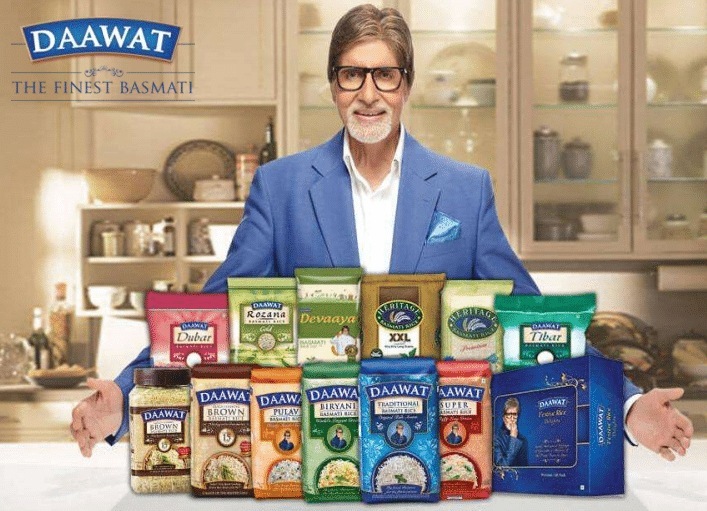
LT Foods is the daal-chawal of FMCG—essential, everywhere, but occasionally spiced up with fancy names like Kari Kari and Royal. The company sells basmati rice in 80+ countries, holds 55% of the U.S. basmati market, and still finds time to push ready-to-eat biryani kits. At ₹453, the stock looks fully cooked, but the real question: is it aromatic long-grain growth, or are investors paying five-star prices for a plate of canteen pulao?
2. Introduction
If you’ve ever opened a Daawat packet and felt like a maharaja, you’ve tasted LT Foods’ crown jewel. With brands like Royal (U.S.), Golden Star, Rozana, and Kari Kari snacks, LT Foods is basically India’s culinary ambassador. From Delhi kitchens to Houston grocery stores, the company has been serving rice cravings for seven decades.
FY25 revenue hit ₹9,075 Cr, with PAT at ₹621 Cr. But here’s the twist: while 3- and 5-year CAGR for profit is a healthy 26–28%, the last year’s growth has slowed to a mere 2%. Like a biryani with too much masala, the top looks tasty, but the bottom layer is sticking to the pan.
Global ambitions are everywhere—UK hub with 60,000-tonne capacity, organic farming with 70,000+ farmers, canned foods via Global Greens acquisition, and even Shah Rukh Khan pushing Daawat rice in ads. The brand is working overtime, but is the balance sheet as fragrant as the basmati?
3. Business Model – WTF Do They Even Do?
LT Foods is essentially three businesses stuffed into one thali:
Specialty Rice (86% of revenue) – The real deal. Daawat in India, Royal in the U.S. (over 55% share), Golden Star in U.S. ethnic markets. Grown across continents, milled and packed globally.
Organic Foods (10%) – EcoLife and Nature Bio Foods, supplied to Europe/North America. Farmers: 70,000. Land under tie-up: 160,000 hectares. Organic is trendy, margins are healthy.
Ready-to-Heat/Ready-to-Cook (2%) – Microwavable biryani kits, instant rice bowls, Kari Kari Japanese-style snacks. Small segment now, but target is 21% CAGR growth.
The model is classic FMCG: source, brand, distribute. Except LT Foods is stuck with inventory cycles of 250+ days. Yes, your biryani rice sits in warehouses longer than Netflix’s cancelled shows.
Question for readers: would you bet on a company where rice bags sit in godowns for 277 days before making it to your plate?
4. Financials Overview
Metric
Jun ’25
Jun ’24
Mar ’25
YoY %
QoQ %
Revenue (₹ Cr)
2,464
2,071
2,228
+19.0%
+10.6%
EBITDA (₹ Cr)
265
241
258
+10.0%
+2.7%
PAT (₹ Cr)
168
155
161
+8.4%
+4.3%
EPS (₹)
4.85
4.41
4.62
+10.0%
+5.0%
Commentary: Growth is healthy, margins stable. But inventory-heavy operations and debt (₹1,261 Cr) add spice investors may not like.
5. Valuation – Fair Value Range Only
(i) P/E Method
EPS: ₹17.9
Industry P/E: ~21x
Fair Value: ₹375 – ₹475
(ii) EV/EBITDA Method
EV: ₹16,863 Cr
EBITDA: ₹1,003 Cr
EV/EBITDA = 16.8x
Fair Range (12–14x): ₹12,000 – ₹14,000 Cr EV → ₹325 – ₹410/share