1. At a Glance – Small Cap, Big Ambitions, Solar Swagger
Market Cap: ₹126 Cr
Current Price: ₹22
Stock P/E: 46.5
ROCE: 12.9%
ROE: 9.35%
Debt: ₹7.92 Cr
3-Month Return: 3.39%
Q3 FY26 Sales: ₹33.92 Cr
Q3 FY26 PAT: ₹0.94 Cr
Q3 Profit Growth: 312% YoY
Latteys Industries just posted a quarter where revenue grew 95% YoY and profit jumped 312%. That’s not a typo. For a company with a market cap of ₹126 crore, this is not just a quarter — this is a loudspeaker announcement. And then, casually, they bag a ₹187.39 crore off-grid solar pump contract. That’s 1.5x the entire market cap.
Now the big question: Is this a one-quarter firecracker or the beginning of a proper solar-powered turnaround? Let’s switch on the pump and see if water actually comes out.
2. Introduction – From Naroda to Nationwide Solar Dreams
Incorporated in 2013 but operational since 2004, Latteys Industries manufactures submersible pumps and motors. Sounds boring? Wait till you realize they’re now deeply plugged into the solar irrigation revolution.
This isn’t just about pumps. This is about rural electrification, PM-KUSUM scheme orders, state government contracts, and exporting 30% of production globally. That’s not small-town thinking.
But here’s the thing. For years, margins were thin. ROE stayed in single digits. Inventory days were once so high (473 days in FY20) that even vegetables would have expired. Yet recently, we see improving working capital, rising quarterly sales, and bigger government contracts.
Is this a slow transformer or just another microcap mood swing?
Let’s decode.
3. Business Model – WTF Do They Even Do?
Latteys makes pumps. But not just your regular “gaav ka motor pump”.
They operate across four segments:
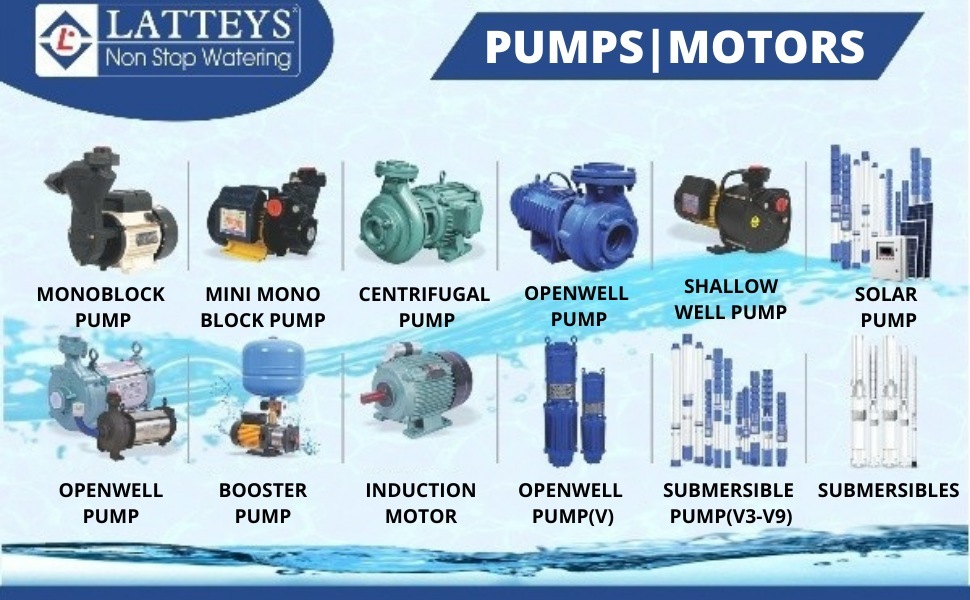
- Solar pumping systems (AC & DC motor-based)
- Submersible pumps for agriculture and sewage
- Stainless steel pumps for exports
- Household pressure booster pumps
They manufacture from GIDC Naroda, Gujarat, with capacity of 1.20 lakh pumps annually. Facility certifications include UL, CE, ISO, BIS, ISI and 260+ 5-star rated models.
Now here’s the spicy part.
They export 30% of revenue internationally. And domestically, they operate through 6 branches and 1200+ dealers.
So the model is:
Manufacture → Distribute through dealer network → Supply