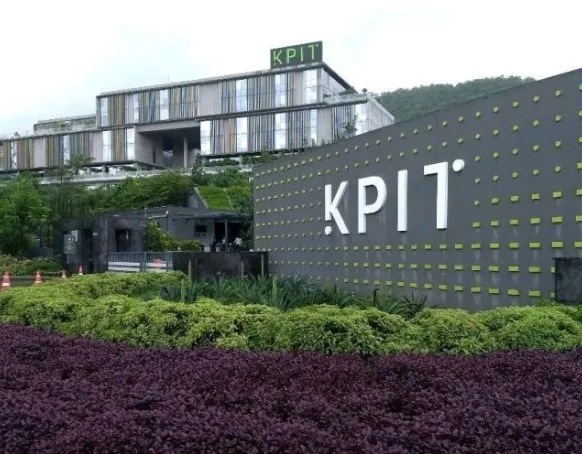
KPIT Technologies Q2FY26 – When Auto Code Meets Auto Drama: From Electric Dreams to AI Nightmares (₹1,588 Cr Sales, ₹169 Cr PAT, Margin Reality Check at 19%)
1. At a Glance
Welcome to the glamorous yet greasy world of KPIT Technologies Ltd, where code meets clutch plates and AI meets ADAS. The Pune-based automotive software specialist, with a market cap of ₹32,601 crore, has turned mobility into a high-tech Bollywood plot — full of global expansion, intelligent middleware, European love affairs, and margin melodrama.
For Q2FY26, KPIT clocked revenue of ₹1,588 crore, up 7.9% QoQ, but profits decided to take a pit stop — PAT fell 17% QoQ to ₹169 crore. Operating margins stayed at 19%, a respectable but slightly deflated number for a company that preaches digital nirvana.
At ₹1,189 per share, the stock trades at a P/E of 42.1x, richer than most car interiors it helps design. The ROE of 33.2% and ROCE of 40.9% are Ferrari-level stats, but recent quarters hint that the engine might need some tuning.
In short: KPIT is driving fast, but the dashboard warning light just blinked “Profit Slip Detected.” Buckle up — this ride’s half-electric, half-ego.
2. Introduction – The Auto Software Rockstar
There are tech companies. There are auto companies. And then there’s KPIT — a coding monk meditating on a car dashboard. Born from the ashes of a Birlasoft demerger, KPIT has evolved into an automotive software priesthood, preaching the gospel of “software-defined vehicles” to global OEMs who still struggle with USB ports.
With 13,000+ “Automobelievers” spread across India, Europe, and the US, KPIT isn’t just selling code — it’s selling transformation. From ADAS and EV software to cloud-connected diagnostics, this company sits at the heart of every futuristic car commercial where nobody drives but everyone smiles.
Yet, the stock’s recent -16% 1-year return reminds us that while the future of mobility is electric, the path to profitability still runs on petrol fumes.
As KPIT dives deeper into AI, cloud, and connected ecosystems, it faces the ultimate question: will it become the “TCS of Transport,” or just another overhyped EV influencer stuck in traffic?
3. Business Model – WTF Do They Even Do?
Let’s decode KPIT’s business without needing a PhD in software jargon.
Feature Development & Integration (62%) – This is KPIT’s bread, butter, and binary. Think of it as writing code that makes cars talk, park, and (sometimes) not crash. This includes electrification systems, ADAS, and vehicle diagnostics — the modern trinity of automotive coolness.
Architecture & Middleware Consulting (19%) – The car’s nervous system. KPIT designs the digital plumbing — the middleware and AUTOSAR frameworks that let dozens of ECUs gossip inside your car without fighting.
Cloud-Based Connected Services (19%) – KPIT’s Wi-Fi playground. It builds intelligent cockpit systems, digital twins, and cloud diagnostics, the software that makes your car as chatty as your smartphone.
So basically, KPIT is to automakers what TCS is to IT clients — but with more sensors and less patience. The firm’s obsession with software-defined vehicles (SDVs) is paying off, as OEMs rush to outsource everything that beeps, blinks, or brakes.
And for those wondering — yes, this is one of those companies where “cloud-based mobility middleware” sounds important because it is.
4. Financials Overview
Metric
Latest Qtr (Sep’25)
YoY Qtr (Sep’24)
Prev Qtr (Jun’25)
YoY %
QoQ %
Revenue (₹ Cr)
1,588
1,471
1,539
8.0%
3.2%
EBITDA (₹ Cr)
298
297
295
0.3%
1.0%
PAT (₹ Cr)
169
204
172
-17.2%
-1.7%
EPS (₹)
6.17
7.43
6.27
-17.0%
-1.6%
Annualized EPS = 6.17 × 4 = ₹24.7, which means a P/E of 48.1x.
KPIT’s Q2FY26 report reads like a racing telemetry sheet — steady speed, stable traction, but overheating profits. Revenue rose, but PAT skidded due to integration costs from its Caresoft acquisition and higher employee expenses.
The message? Growth is cool, but acquisitions aren’t free.
5. Valuation Discussion – Fair Value Range
Let’s do some homework — without turning into those analysts who wear Tesla caps indoors.
(a) P/E Method
EPS (Annualized): ₹24.7 Industry P/E: 26.5 Fair Value Range = 24.7 × (30 to 36) = ₹741 to ₹889 per share
(b) EV/EBITDA Method
EV/EBITDA (Current): 24x Industry Average: ~18x FY25 EBITDA (Annualized): ₹298 × 4 = ₹1,192 Cr Fair EV = ₹1,192 × 18–22 = ₹21,456–₹26,224 Cr Less Debt (₹529 Cr) + Cash (₹478 Cr) ≈ ₹-51 Cr net → Equity Value = ₹21,500–₹26,200 Cr → Fair Price Range ≈ ₹785–₹955 per share
(c) DCF (Discounted Comedy Flow)
Assuming 18% growth for 3 years, then 10% terminal, discount rate 12% — the math screams around ₹850–₹1,000.
📘 Educational Disclaimer: This fair value range (₹740–₹1,000) is for learning purposes, not your next Multibagger fantasy.
6. What’s Cooking – News, Triggers, Drama
The latest episodes in KPIT’s soap opera:
Caresoft Acquisition (USD 142–157 Mn): KPIT spent big bucks to acquire Caresoft, a US-based engineering company. Expect ₹11,263 Mn goodwill on the books and probably a few sleepless accountants. The deal boosts KPIT’s presence in China and commercial vehicles, which sounds great until integration hiccups hit the margins.
N-Dream Takeover (Switzerland): From 13% to 88.9% stake. A gaming platform in an automotive company — because why not?
Helm.ai Investment: A $10 Mn SAFE in a Silicon Valley AI startup, proving KPIT wants to be the ChatGPT of cars before ChatGPT itself learns to drive.