At a Glance
The sugar industry in Tamil Nadu is currently a masterclass in survival, and Kothari Sugars & Chemicals Ltd (KSCL) is front and center, wearing a bruised but resilient face. If you thought finance was just about selling white crystals and making money, welcome to the volatility of the 2026 sugar season. Revenue from operations for the full year FY26 crashed to ₹24,678.07 lakhs compared to ₹31,001.58 lakhs in the previous year. That is a stinging 20% drop in the topline.
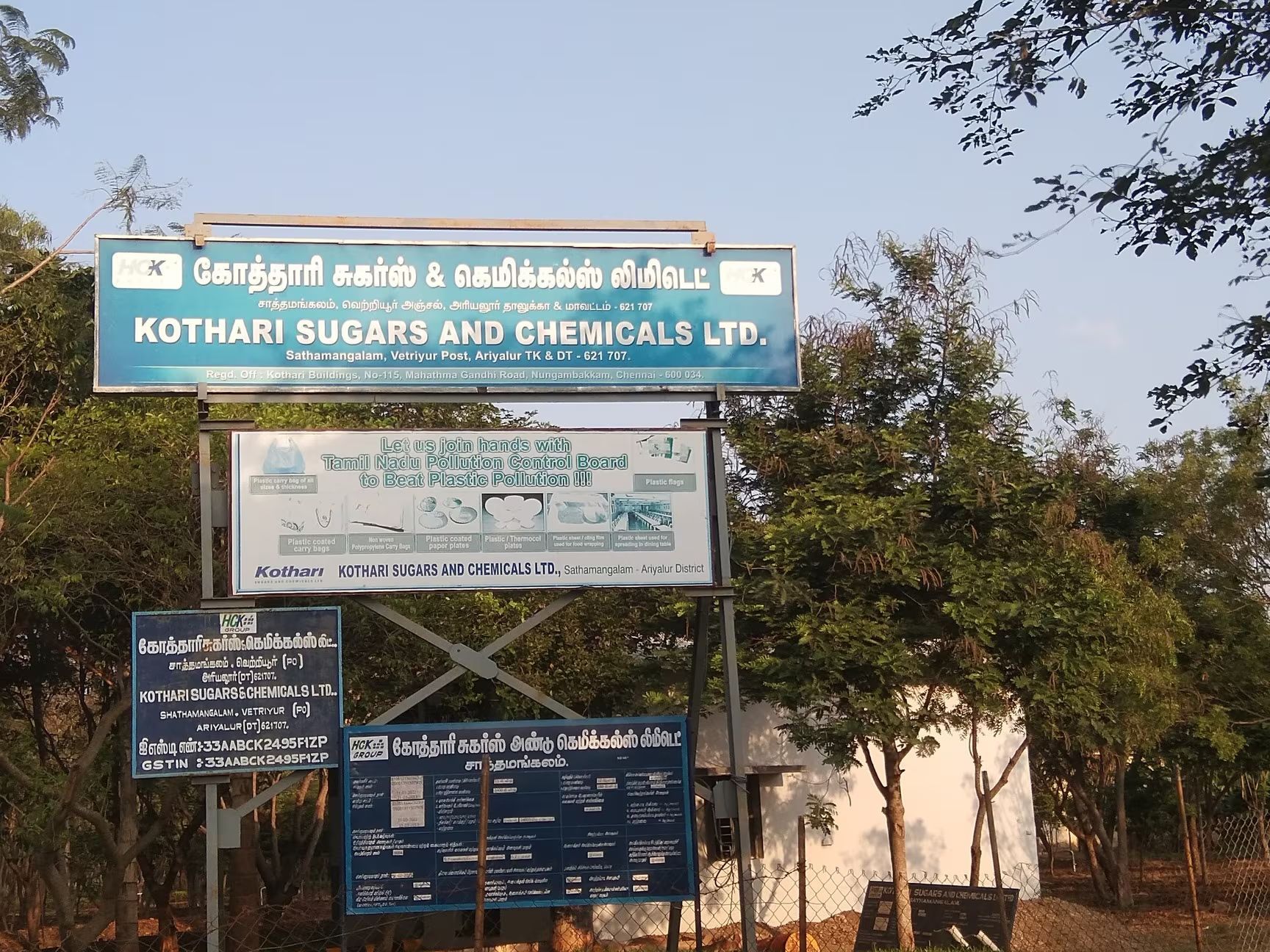
Why? Because nature decided to play spoilsport. A lethal combination of deficit rainfall and a nasty pest attack in the company’s command area has decimated the sugarcane supply. Things got so tight that the management had to make a tactical retreat—they shut down the Sathamangalam Unit and consolidated all operations into the Kattur Unit just to keep the machines humming at a respectable level.
But here is where it gets interesting. While the operational core was bleeding, the Bottom Line (PAT) managed to stay in the green for the full year at ₹661.09 lakhs. How do you lose 20% of your revenue and still report a profit? Enter the “Exceptional Items.” The company pulled a ₹2,133.61 lakh rabbit out of the hat by reversing old liabilities related to sugarcane and electricity matters. Without this accounting miracle, the story would have been far grimmer.
At a market cap of ₹232 crore, the stock is trading at a Price to Book (P/B) of 0.79, which is basically the market saying they trust the assets but aren’t so sure about the earnings consistency. The company is sitting on a mountain of investments worth over ₹133 crore, which provides a massive safety net, but as any seasoned investor knows, you can’t eat your house to pay the bills forever. The core sugar business is in a cyclical pit, and the market is waiting to see if the distillery and power segments can pull the cart out of the mud.
Introduction
Kothari Sugars is a vintage 1961 player that has seen more cycles than a professional velodrome. Based out of Tamil Nadu, they operate a classic integrated model: they crush cane to make Sugar, ferment the molasses into Alcohol (Distillery), and burn the leftover bagasse to generate Power. It’s a closed-loop system where nothing goes to waste except, occasionally, the shareholders’ patience during a bad monsoon.
The stock price has been a story of “steady as she goes” until the recent headwinds hit. Over the last year, it has shed 22.9% of its value. When the sky doesn’t rain, the sugar mills don’t grind, and the stock market doesn’t cheer. However, the balance sheet remains the fortress here. Unlike many mid-cap sugar companies that get crushed under the weight of debt when the crop fails, Kothari has maintained a Debt to Equity of 0.24.
The narrative for FY26 is one of operational consolidation. By operating only one unit, they are trying to maximize efficiency. It’s a “quality over quantity” play forced by circumstance. The big question for the public is whether the ₹20 crore R&D investment in their new lab will actually find a way to kill the pests and improve yields, or if it’s just another expense on an already stressed P&L.
Business Model – WTF Do They Even Do?
Think of Kothari Sugars as a high-stakes gambling house where the “House” is actually Mother Nature, and the game is rigged by the weather. They operate across three primary verticals that are supposed to hedge each other, but lately, they’ve all been feeling the heat.
1. The Sugar Segment (The Erratic Breadwinner)
They buy cane from local farmers, crush it, and sell sugar. In FY23, they crushed over 10.87 lakh tons of cane. By FY25, that plummeted to 2.6 lakh tons. That isn’t just a “dip”; that’s a freefall. The recovery rate—how much sugar they actually