KM Sugar Mills Ltd Q3 FY26: ₹169 Cr Revenue, ₹21 Cr PAT, 4.29 P/E — Sugar Stock or Sweet Trap?
1. At a Glance – Sweet Profits, Bitter Stock Price
₹25.5 per share. Market cap ₹237 Cr. P/E 4.29. Price to Book 0.65. ROE 11.2%. ROCE 11.2%. Debt just ₹67 Cr.
And yet… the stock is down 9% in 3 months and 17% in one year.
Latest Q3 FY26 numbers? Revenue ₹169 Cr. PAT ₹20.6 Cr. Profit up 62.9% YoY.
Yes, you read that correctly. A sugar company trading at 4x earnings with profit growth of 63% YoY.
It’s like walking into a sweet shop where everything is 70% off… and still no line outside.
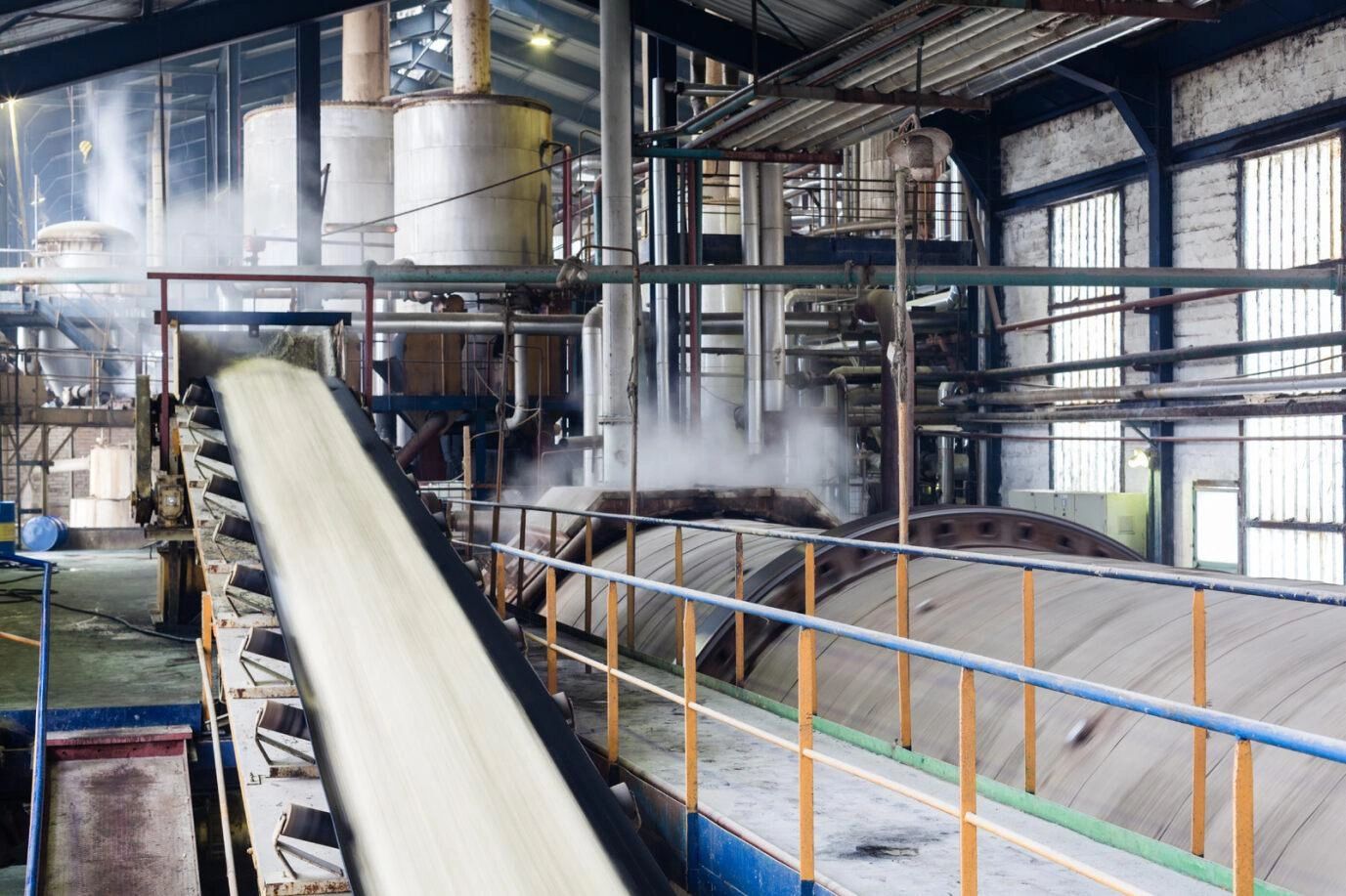
The company crushed 9,500 tonnes per day of sugarcane, runs a 50 KLPD distillery, and generates 25 MW of power. It sells ethanol, sugar, and electricity. Basically, it monetises the entire sugarcane — nothing goes to waste except maybe investor enthusiasm.
So what’s going on here?
Is this a cyclical opportunity… or just another sugar high before the crash?
Let’s investigate.
2. Introduction – Welcome to Uttar Pradesh’s Sweet Factory
Founded in 1971, KM Sugar Mills Ltd operates in three businesses:
Sugar manufacturing
Distillery (ethanol, rectified spirit, ENA)
Co-generation power using bagasse
Translation: They squeeze sugarcane until it cries, and then they monetise the tears.
Revenue mix FY23:
Sugar: 89%
Distillery: 9%
Co-generation: 2%
So this is still a classic sugar mill at heart. Ethanol is growing, but sugar remains the hero (and sometimes villain).
Now here’s the twist.
The company recently:
Completed ₹71.23 Cr capex for refinery modernization
Approved demerger of the Distillery Division into K M Spirits (Aug 2025)
Faced multiple accidents at Masodha factory
Had an erroneous promoter share transfer of 0.54% in Dec 2025
It’s been a dramatic year.
So is this a turnaround story? Or a sugar mill trying to act like an FMCG startup?
Let’s decode.
3. Business Model – WTF Do They Even Do?
1) Sugar Division
Located in Faizabad with 9,500 TPD crushing capacity.
They produce:
L 31
M 31
M 30
S 31
S 30
If you don’t know what these grades mean, congratulations — neither do most investors.
They sell in jute bags and PP bags. Revenue mostly domestic, with exports