Section 1 — At a Glance
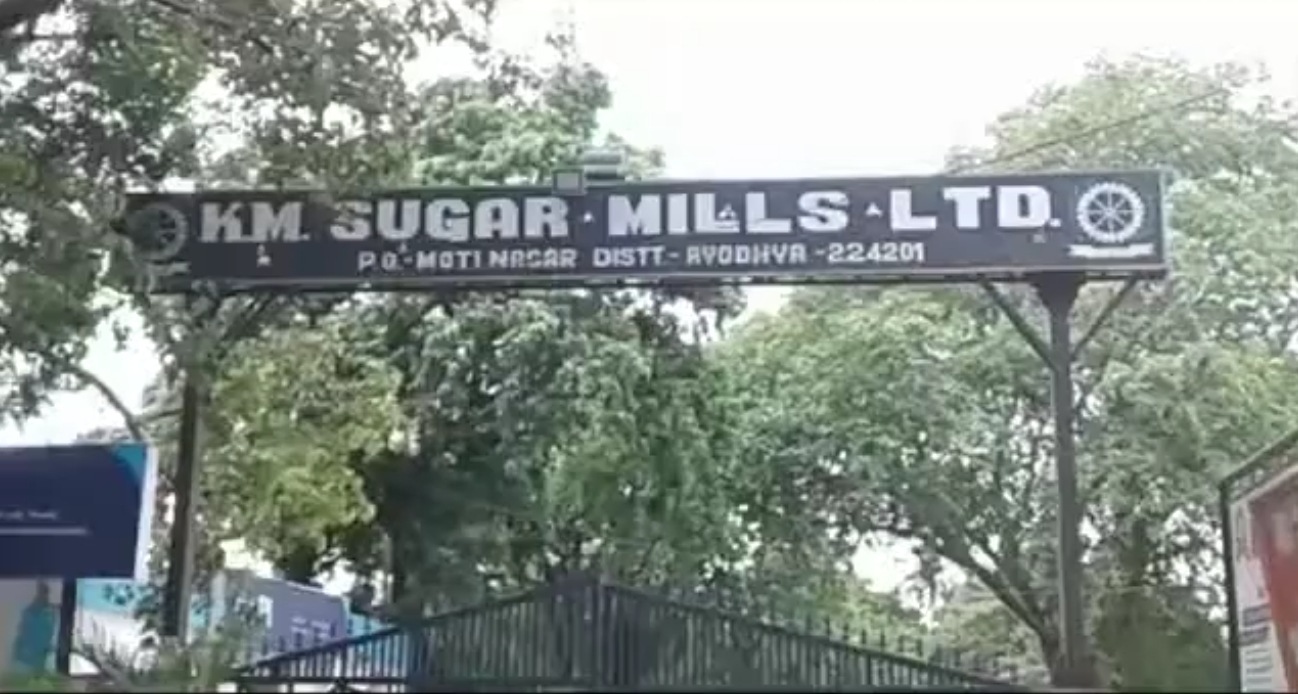
KM Sugar Mills Ltd has served up a classic commodities puzzle in its financial year ending March 31, 2026. Total operating revenue came in at ₹658.38 crore, fundamentally flatlining compared to the ₹659.01 crore posted in the prior fiscal year. Yet, beneath this completely stagnant top-line, the bottom-line managed a spectacular fireworks display, with net profit surging 50.27% to reach ₹53.42 crore against ₹35.55 crore in the previous year. This dramatic divergence points cleanly to structural margin expansion rather than volume-driven expansion, as structural shifts in product realisations and reduced manufacturing overheads completely overrode the stagnation in sugar volumes.
Top-Line Stagnation vs. Bottom-Line Explosion (FY26)
======================================================
Revenue: ₹658.38 cr ( -0.10% YoY )
Net Profit: ₹53.42 cr ( +50.27% YoY )
While structural profitability is expanding, investors must keep a watchful eye on macro dependencies. Commodity processors remain tightly bound to cyclical raw material availability and administrative pricing mechanisms. Operating margins improved substantially as internal cost optimizations kicked in, but revenue growth remains capped by the company’s regional crushing scale. True financial resilience is built when a company can expand its earnings power when transaction volumes refuse to move. Can this micro-cap maintain its hyper-efficient run rate, or will it melt away when structural tailwinds shift?
Section 2 — Introduction
KM Sugar Mills Ltd enters the financial spotlight at a critical evolutionary juncture. Operating primarily out of Uttar Pradesh, this sugar veteran has built out an integrated manufacturing framework over multiple decades, pivoting gradually from basic cane crushing to advanced distillation and green power generation.
This comprehensive review comes at a vital moment for the business. Beyond the eye-popping divergence in its annual financial numbers, the corporate structure itself is undergoing a major transformation. With a recently structured demerger corporate action actively moving through official regulatory channels, the company is looking to fundamentally alter its long-term operational identity. We dive deep into the numbers to see what remains inside the old operational shell.
Section 3 — Business Model: WTF Do They Even Do?
The core operations of KM Sugar Mills revolve around extracting value from sugarcane across three distinct operational segments:
- Sugar Processing: The absolute heavy lifter of the business, historically commanding up to 89% of operational revenues. The plant in Ayodhya possesses a sugarcane crushing capacity of 9,500 tons per day.
- Distillery Unit: The high-margin play that processes molasses into rectified spirits, extra neutral alcohol, and fuel-grade ethanol for the mandatory oil blending programs. It operates at a capacity of 50 kilolitres per day.
- Green Power Co-generation: A bagasse-based power plant producing 25 megawatts of electricity. It uses 10 MW for internal processes and dispatches the remaining 15 MW straight to the Uttar Pradesh Power Corporation under a commercial agreement.
Essentially, they buy heavy agricultural input from local farmers, squeeze out white crystal sugar, turn the residual waste into bio-fuel, and burn the leftover fiber to keep the factory lights on while selling excess current to the state grid.
Section 4 — Financials Overview
Figures are consolidated, in ₹ crore.
Comparison Table