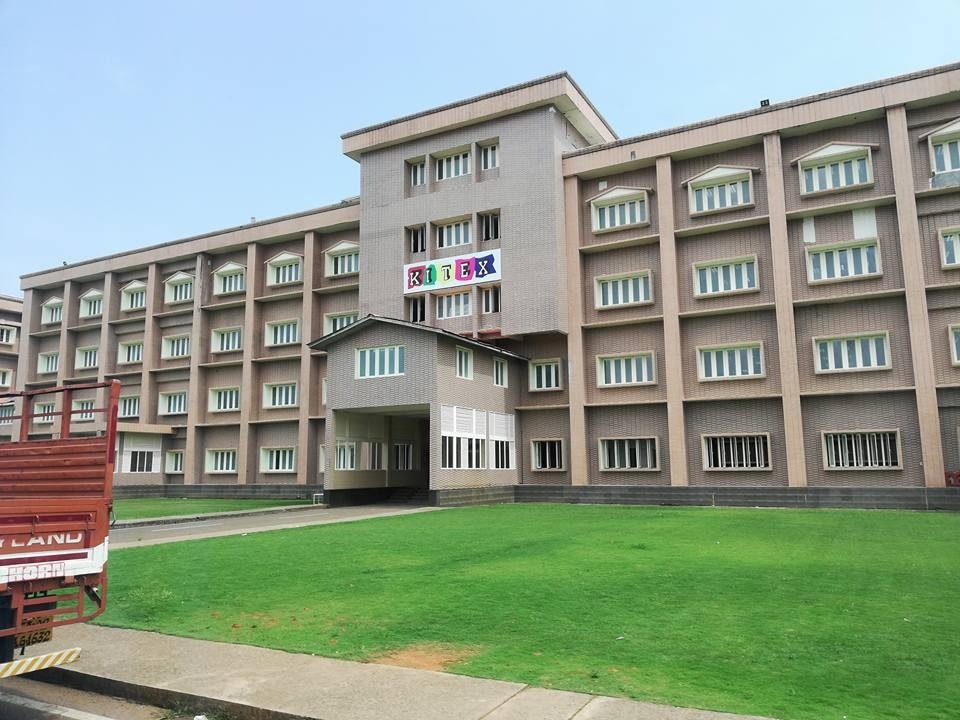
Kitex Garments Q4 FY26: Infant Wear Lost Its Margin
General information and entertainment, not investment advice. The author is not a SEBI-registered adviser or research analyst. No recommendation, no promised returns. Markets carry risk including loss of capital. Figures may not be current. Consult a registered adviser before acting.
(Prices referenced are not live; P/E calculated off ₹145.02 as of 12 June 2026.)
1 — At a Glance
Kitex’s world-class position in infant wear just collided with the real world. FY26 sales fell ₹317 Cr (–32%) year-on-year to ₹667 Cr. Net profit crashed from ₹139 Cr to ₹6 Cr. Q4 alone—the final lap—posted a ₹3.91 Cr loss.
The Warangal greenfield unit, which started operations in September 2025, hasn’t ramped. US tariffs on Indian textiles sit embedded in the cost structure. Margins, once healthy, compressed to 4% OPM in Q4—the company’s worst quarter on record.
The rating agency slapped a Negative Outlook. The market pays 289x earnings here, against a peer median of 21x. So either the balance sheet erases the earnings cliff, or the stock has priced in a recovery that hasn’t arrived.
Does a fortress balance sheet fix a margin trap, or just delay the reckoning?
2 — Introduction
Kitex Garments was the feel-good story of Indian infant wear. Founded by Sabu M Jacob in 1992, the company captured the world’s second-largest share of cotton and organic cotton garments for babies aged 0–24 months. Revenue climbed steadily. Margins stayed fat. The order book was international and blue-chip: Gerber, Carter’s, Walmart, Amazon.
Then two things happened at once.
First, the company committed to a ₹3,550 Cr capex across Warangal and Sitarampur—two greenfield plants in Telangana. Debt soared to ₹1,199 Cr by March 2026. Second, US tariffs on Indian textile imports spiked in 2024–25. Major customers, who account for 64% of sales, started pulling back. By Q4 FY25, sales were already falling.
In June 2025, the company announced it would launch “Little Star”—an owned brand targeting ₹1,000 Cr domestic revenue in 2–3 years. Optimistic. As of March 2026, the scale of that bet remains unclear.
The recent resignation of independent director Chenakkott Philipose (6 June 2026) adds another data point. The company cited “personal reasons,” but board churn in a distress period is worth noting.
3 — Business Model: WTF Do They Even Do?
Kitex manufactures ready-to-wear infant garments—bodysuits, rompers, sleepwear, training pants—in cotton and organic cotton. The company operates a fully integrated unit near Kochi with yarn-to-garment capability and capacity to churn out over 400,000 pieces per day.
The unit has always been asset-light on the inventory side: customers—mostly big US retailers—send designs. Kitex builds to order, at scale, with speed. Repeat business from the same 3–5 names. Gross margins, historically, sat in the 45–50% range because the product is specialized (infant wear requires obsessive quality), customized per buyer, and niche enough that pricing power existed. Middlemen were thin. Working capital days used to run under 50 days.
The capex play was simple: build identical units elsewhere, slash labour cost, and run the same customers through a larger footprint. Warangal was supposed to be the play. Telangana offers state incentives, low-cost labour, and proximity to raw cotton.
Then the tariff thing hit. The US customers—who account for nearly two-thirds of sales—either ate the tariff or demanded a price cut. Kitex, stuck mid-capex and mid-ramp, did both. Margins folded. Labour cost per unit stayed high because the new unit wasn’t full. The model didn’t break; the timing did.
Domestic expansion via “Little Star” is the pivot, but infant wear for Indian babies is a different animal. Kitex has never scaled a sub-₹50 price point or distributed through mass retail. The company was built to serve Walmart’s design spec, not your local mall.
4 — Financials Overview
Figures are consolidated, in ₹ crore.
Metric
FY24
FY25
FY26
Revenue
617
983
667
EBITDA
101
201
28
EBITDA Margin
16%
20%
4%
PAT
56
139
6
EPS (FY annualised)
2.82
6.95
0.30
Q4 FY26 Results (ended March 31, 2026):
Sales for the final quarter came to ₹166 Cr, down 44.6% YoY from ₹299 Cr in Q4 FY25. Operating profit shrank to ₹1.67 Cr (OPM: 1%). Other income, a perennial lifeline, added ₹34.2 Cr (mostly interest rebates and exceptional writebacks). But interest expense jumped to ₹20.76 Cr—a sevenfold spike—as the debt stack ballooned. The company recorded a ₹3.91 Cr net loss.
The FY26 full-year loss of ₹13 Cr net (after other income and exceptional items) masks the operating cliff. Stripping out the ₹34.2 Cr other income (which included a ₹17.5 Cr exceptional writeback per H1 disclosures), the core business generated a loss before tax of ₹5.13 Cr.
Concall Color: The April 2025 concall (pre-loss announcement) had management citing “temporary demand headwinds from US tariff changes” and confidence that “Warangal ramp-up will restore margins by FY27.” No new guidance was issued post-loss.
5 — Market Expectations & Historical Multiples
This section describes how the market is currently pricing the company and how that compares with its own history and peer group. It is descriptive, not predictive.