1. At a Glance
Kirloskar Ferrous Industries Limited (KFIL) is currently a massive playground for structural transformation. The company isn’t just selling metal; it is aggressively pivoting from a commodity-heavy pig iron player into a diversified, value-added engineering powerhouse. With a Revenue of ₹6,784 crore in FY26 and a Standalone PAT of ₹376 crore, the numbers suggest a ship that is steaming ahead despite turbulent commodity seas.
However, a serious investor must look past the shiny top line. The Operating Profit Margin (OPM) has been dancing in the 11% to 13% range, a far cry from the glory days of 23% seen in FY21. The volatility of the pig iron cycle remains the elephant in the room. Management’s bold claim of reaching a $2 billion revenue target by 2030 requires them to nearly double their current size in four years. Can they do it without drowning in debt?
The company is currently betting the farm on Backward Integration and Renewable Energy. With 200 MW of renewable power in the pipeline and captive iron ore mines finally operational, they are trying to insulate themselves from the brutal swings of raw material prices. But with a ₹1,036 crore debt and a massive ₹600-800 crore annual capex plan, the margin for error is razor-thin. If the steel cycle turns south during their expansion, the interest coverage could face a stress test.
Is this a classic value trap or a titan in the making? The integration of ISMT (Seamless Tubes) has added a layer of complexity and opportunity. While the tubes business is high-margin, it also brings its own set of cyclical headaches. The market has noticed, with the stock price showing a -8.4% return over the last year, suggesting that investors are demanding more proof of sustainable margin expansion before they re-rate this Kirloskar legacy.
2. Introduction
Kirloskar Ferrous Industries Ltd (KFIL) stands as one of the most significant pillars of the Pune-based Kirloskar Group. Established in 1991, it has carved out a dominant niche in the Indian metal and engineering landscape. It doesn’t just make iron; it provides the literal backbone for India’s tractor, automotive, and infrastructure sectors.
The business is divided into two major universes: Iron & Castings and the newly integrated Steel & Seamless Tubes. In the pig iron market, they command a 22-25% market share, making them a price maker rather than a taker in the foundry-grade segment. Similarly, in castings—think cylinder blocks and heads for massive engines—they hold a solid 19-20% of the domestic market.
What makes KFIL intriguing is its obsession with integration. They aren’t content buying raw materials from the market. They own the mines, they generate their own power, and they even process their own waste gases to heat their plants. This “closed-loop” philosophy is their primary defense mechanism against global commodity volatility.
The recent merger with ISMT Limited has been the biggest strategic shift in the company’s recent history. It moved KFIL from being a supplier of raw iron to a manufacturer of specialized, high-value seamless tubes used in everything from oil rigs to defense equipment. This transition is not just about size; it’s about shifting the “Price-to-Earnings” perception of the stock.
As of May 2026, the company is at a crossroads. It is juggling multiple massive projects: new foundry lines in Solapur, a planned alloy steel plant in Koppal, and a relentless push into green energy. The execution of these projects will decide whether KFIL remains a cyclical commodity play or evolves into a premium engineering major.
3. Business Model – WTF Do They Even Do?
If you want to understand KFIL, imagine a giant “Value-Add” machine. They take raw iron ore from their own mines in Karnataka and feed it into massive Blast Furnaces at Koppal and Hiriyur.
The Pig Iron Play: About 31% of their revenue comes from selling Pig Iron. Foundries across India buy this to melt it down for their own products. It’s a “bread and butter” business but highly sensitive to global scrap prices and coking coal costs.
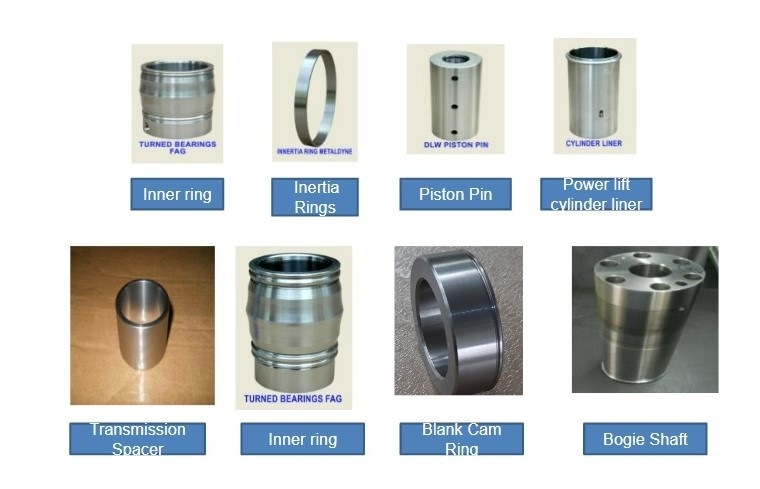
The Castings Craze: Instead of just selling the iron, KFIL uses a large chunk of it internally to make Ferrous Castings (26% of revenue). These are the complex, heavy-duty parts of an engine. If you see a tractor or a truck on an Indian road, there is a very high chance the engine block inside it was