Kirloskar Electric Company Ltd Q3 FY26 – “₹151 Cr Sales, 2000% Profit Jump… but 75.6% Promoter Pledge Bomb Waiting?”
1. At a Glance – The Electrical Circus Nobody Asked For
Kirloskar Electric is that old-school industrial uncle who claims he has “seen everything since 1946”… but somehow still struggles to pay his electricity bill on time. On paper, the company just delivered a 2000% jump in quarterly profit—which sounds like a Bollywood comeback story. But scratch the surface and you find: ROE is negative, promoter pledge is a shocking 75.6%, interest coverage is barely breathing at 1.76, and working capital looks like it survived a drought.
And just when you think things are stabilising, management reshuffles, insolvency drama history, and asset sales start popping up like plot twists in a daily soap.
So what is this company really? A turnaround story? A value trap? Or a vintage industrial relic trying to survive in a solar-powered, EV-obsessed world?
Let’s investigate like a slightly suspicious auditor who also enjoys stand-up comedy.
2. Introduction – The Comeback Kid… or Just a Temporary Miracle?
Kirloskar Electric Company Ltd (KECL) is not new to Indian industry. It’s been around since independence—literally.
This is the company that:
Makes motors, generators, transformers
Supplies to Indian Railways, NTPC, BHEL, Tata, Reliance
Has factories across Karnataka and Pune
And claims it’s also playing in the EV motor space
Basically, if electricity flows somewhere in India, KECL wants a cut.
But here’s the twist.
Despite such a strong legacy and elite clientele, the company has:
Struggled with losses for years
Seen insolvency petitions (later dismissed)
Sold assets to survive
And still carries high debt + pledged shares
Now suddenly in Q3 FY26, profits explode.
Coincidence? Operational improvement? Or accounting gymnastics?
Let’s dig deeper.
3. Business Model – WTF Do They Even Do?
KECL is like a buffet of electrical products.
Their 4 Core Divisions:
Transformer & Distribution
Large Machines
Low Voltage Machines
Power Generation
They make:
Motors (including EV motors)
Alternators
Generators
Transformers
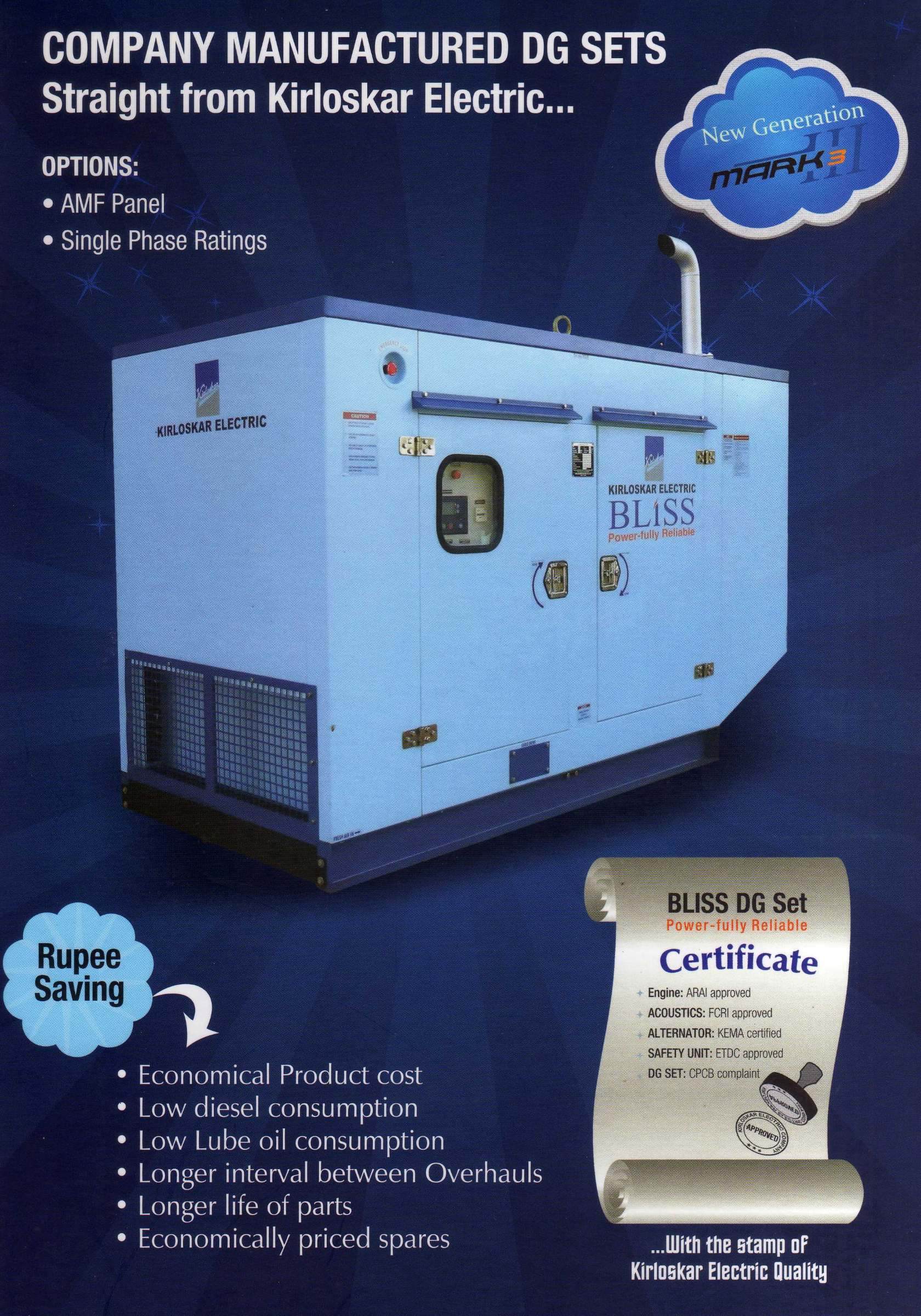
DG sets
Switchgear
Basically, if it spins, generates, or distributes electricity—they manufacture it.
Revenue Mix:
Motors, alternators, generators → ~50%
Transformers → ~41%
Everything else → scraps
Customers:
Railways
Power companies
EPC players
Large industrial houses
Sounds great, right?
But here’s the catch:
70%+ of costs = raw materials (copper, steel, iron) Meaning margins depend more on commodity prices than genius management.
So the real business model is:
“Hope copper prices behave, pray for orders, and survive working capital cycles.”
Now tell me honestly — Does this sound like a high-margin tech company or a commodity wrestling match?
4. Financials Overview – The “Miracle Quarter” Analysis