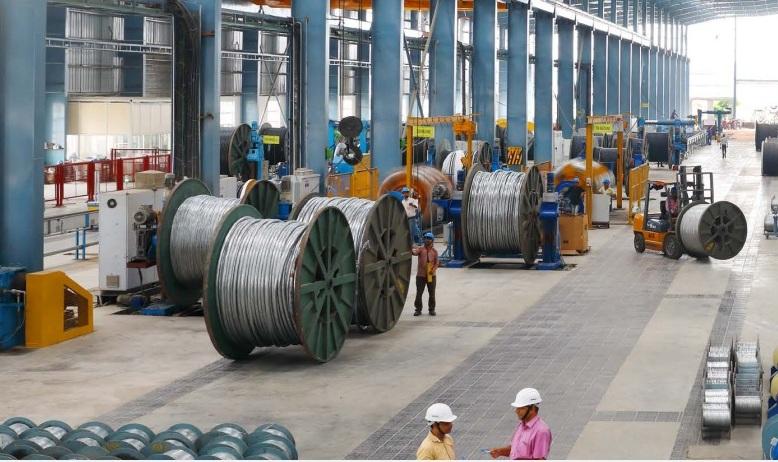
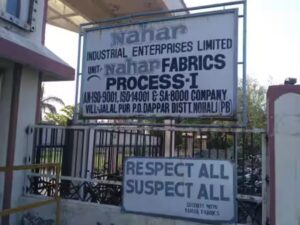
KEI Industries has turned into the Virat Kohli of wires—consistent runs, aggressive expansion, and zero debt drama. Q1 FY26 delivered ₹2,590 Cr revenue (+25% YoY), ₹196 Cr PAT (+30% YoY), and the company is busy laying “cables of ambition” from Chinchpada to Sanand. Market cap has zipped past ₹39,000 Cr, but the stock’s P/E at 53 reminds you of overpriced popcorn at PVR—tasty but “thoda mehenga hai boss.”
2. Introduction
KEI started in 1968 selling boring wires but is now a ₹10,000+ Cr revenue machine with its hands in every plug point from Infosys campuses to railway electrification projects. Their distribution network is as big as a political rally: 2,000+ dealers, 36 branch offices, 23 warehouses, and a sales force that could probably convince you to rewire your home even if you live in a tent.
The company has mastered the art of balancing retail glamour (house wires, flexible cables, EV cables) with institutional muscle (EHV, HT, LT power cables, EPC projects). Over 60 countries import KEI’s wires, so if you trip over a cable in Dubai, chances are it’s “Made in India, KEI.”
But here’s the kicker: KEI’s P/E is higher than Polycab’s current draw, and Adani plus Birla have announced plans to enter cables. So, KEI is running on premium valuation at a time when new kids are arriving at the party with bigger wallets.
3. Business Model – WTF Do They Even Do?
Think of KEI as the Swiggy of electricity. Wherever there’s power demand, KEI delivers wires, cables, and even turnkey EPC projects to hook them up.
Retail = house wires & flexible cables → high-margin, recurring, like Maggi in Indian homes.
Institutional = power utilities, oil refineries, railways → big ticket orders, longer payment cycles, like government tenders.
Exports = 11% of sales, with cables sailing out to 60 countries.
They also offer EPC services, but honestly, EPC is more like a side hustle—they focus on cables where margins stay steady at ~10%.
Business model ka asli masala = brand pull in retail, trust in institutional, and exports as icing. It’s a diversified thali, where sambhar (retail) and paneer (institutional) both matter.
4. Financials Overview
Metric
Latest Qtr (Q1 FY26)
YoY (Q1 FY25)
Prev Qtr (Q4 FY25)
YoY %
QoQ %
Revenue
2,590 Cr
2,065 Cr
2,915 Cr
+25.4%
-11.1%
EBITDA
258 Cr
219 Cr
301 Cr
+17.8%
-14.3%
PAT
196 Cr
150 Cr
227 Cr
+30.3%
-13.6%
EPS (₹)
20.5
16.6
23.7
+23.5%
-13.5%
Commentary: Strong YoY growth, slight QoQ dip (seasonality). Annualised EPS = ~₹82, meaning P/E ~50. Pricey, but growth justifies some of it.
5. Valuation Discussion – Fair Value Range
P/E Method: EPS ~₹79, industry average P/E ~30. Fair band = ₹2,400 – ₹3,600. CMP ₹4,101 is premium.
EV/EBITDA Method: EV ~₹37,500 Cr, FY25 EBITDA ~₹1,026 Cr → ~36x. Industry at ~25x. Premium again.
DCF: With 15–20% growth and margin stability, DCF supports ₹3,200 – ₹4,300.
Fair Value Range (Educational Purpose Only): ₹3,200 – ₹4,200. (Disclaimer: This range is for educational purposes only and not investment advice.)
6. What’s Cooking – News, Triggers, Drama
Sanand Capex: ₹1,700–1,800 Cr mega project in Gujarat, expanding LV, MV, and EHV capacity. Spending peaking FY25–26.
QIP Fundraise: ₹2,000 Cr raised in Nov 2024 to fund Sanand capex and repay debt. No pledges, clean