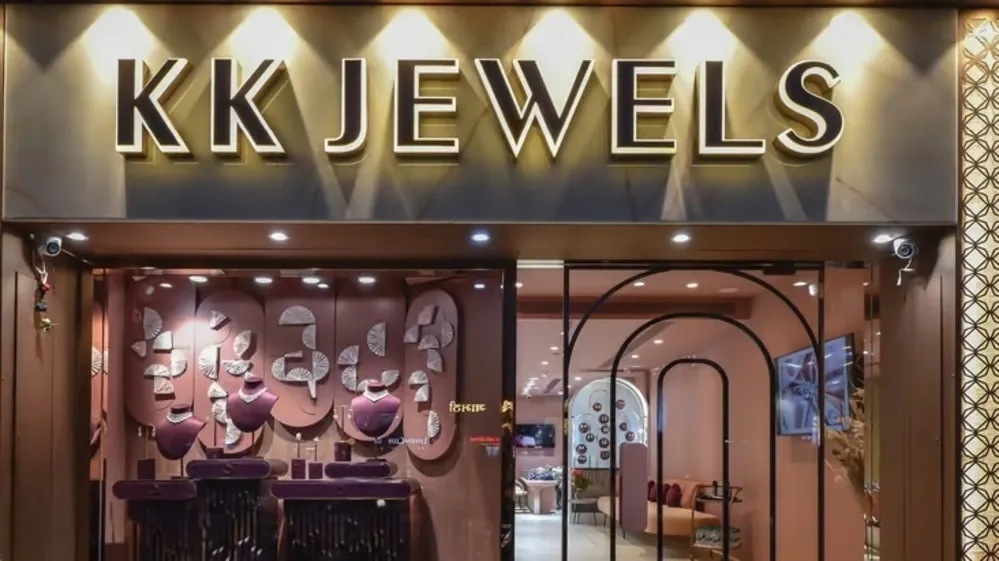
Kabra Jewels Ltd H1 FY26 – From Bling to Balance Sheets: When Diamonds Shine Brighter Than Cash Flows
1. At a Glance
Ahmedabad’s sparkle factory, Kabra Jewels Ltd, is trading at ₹90.4 — nearly one-third of its 52-week high of ₹265. But don’t be fooled by the fall; this jewelry retailer’s numbers are glittering brighter than its gold display shelves. With a market cap of ₹94.7 crore, sales of ₹231 crore, and a juicy PAT of ₹15.1 crore, Kabra is flashing an impressive P/E of 6.27x, ROE of 20.5%, and ROCE of 17.2% — numbers that could make even Titan do a double take.
The latest Half Yearly FY26 results show sales of ₹98 crore and PAT of ₹6.56 crore, up 26.4% QoQ and 127% YoY. Not bad for a company that started its first showroom back in 2010 under the brand “KK Jewels.” Yet, beneath the shine, lies ₹123 crore of debt and negative operating cash flows. This is the jewelry business — it sparkles, but it can sting.
2. Introduction
Imagine walking into an Ahmedabad jewelry store where gold talks, diamonds wink, and accounting ratios sparkle more than the ornaments. That’s Kabra Jewels Ltd, a company that has gone from a family-run retailer to a listed SME on NSE Emerge (Jan 2025) with an IPO worth ₹40 crore.
They sell everything from wedding sets that can fund an MBA to silver coins you’d gift at Diwali. But while customers drool over solitaires, analysts drool over their financial growth — sales up 29% TTM, profits up 27%, and ROE hitting 20%. Still, something’s missing: the company doesn’t pay dividends, because clearly, it believes reinvesting in bling is better than rewarding shareholders.
Kabra’s story is the classic Gujarati business tale — family-run, expansion-focused, and allergic to borrowing discipline. Six showrooms later, an e-commerce launch under chandimahalbykk.com, and a Gandhidham outlet that’s “non-operational” since April 2024 (because every empire needs one empty palace), Kabra Jewels is now trying to turn glitter into glory.
3. Business Model – WTF Do They Even Do?
Kabra Jewels runs on two simple business models, both polished to perfection.
Model 1: The “We-Buy-and-Sell” approach — procurement of gold and diamond jewelry from vendors, sold under KK Jewels branding. Think of it as the Zara of jewelry: sourcing designs, slapping a label, and selling them with margin.
Model 2: The “Custom Chaos” model — customers come with Pinterest dreams; artisans (karigars) make them reality. The company picks karigars based on specialization — necklaces to one, bracelets to another, and probably migraines to their accountants.
Under its flagship brand “KK Jewels”, the firm has diversified formats:
KK Jewels Bridal & Diamond (2010 & 2020) – the core money spinner, contributing 56% of revenue.
KK Jewels Gold (2020) – for the classic investors.
KK Jewels Silver & Silver Studio (2020 & 2022) – where silver gets its 15 minutes of fame.
KK Jewels Atarashi (2022) – for the Gen-Z bride who wants “minimalist” jewelry that’s still ₹5 lakh.
Recently, the brand went digital with Chandi Mahal by KK, an e-commerce venture launched in October 2025. Because nothing says “premium jewelry” like a .com domain selling silver idols at midnight.
4. Financials Overview
Figures in ₹ crore
Metric
Sep 2025 (Latest)
Mar 2025 (Prev H1)
Sep 2024 (YoY)
YoY %
QoQ %
Revenue
98
133
78
25.6%
-26.3%
EBITDA
14
17
10
40%
-17.6%
PAT
7
9
3
127%
-22.2%
EPS (₹)
6.26
8.14
3.93
59%
-23.1%
Commentary: YoY, everything looks shinier — revenue up, profit doubled, and EBITDA margins holding near 14%. But QoQ, the sparkle faded. Sales dipped as post-wedding-season blues hit, showing that jewelry is still a seasonal affair. Still, Kabra managed a PAT margin of 6.6%, impressive for a brick-and-mortar retailer juggling karigars, gold volatility, and bridal tantrums.
5. Valuation Discussion – Fair Value Range Only
Let’s break it down:
EPS (TTM): ₹14.4 Industry P/E: 27.2 Company P/E: 6.27
Method 1 – P/E Based Valuation: Fair Value Range = EPS ×