Jungle Camps India Ltd H1 FY26 – When Tigers Roar and Profits Snore: The Wild Life of a Hotel Stock
1. At a Glance
If luxury tents, tiger trails, and negative quarterly profits had a baby — it would probably be Jungle Camps India Ltd. The ₹78.6 crore market cap hospitality player is currently trading around ₹50.7, down over 13% in three months. With a P/E of 19.4 and ROE of 11.7%, Jungle Camps looks like that well-meaning eco-tourism brand trying to save both forests and its balance sheet.
The company’s half-year scorecard for FY26 looks like a safari — scenic but uneven. Quarterly sales for Sep 2025 slipped to ₹1.31 crore, with a loss of ₹1.07 crore, reversing the earlier green streak. Yet, full-year FY25 figures showed a respectable ₹22.1 crore in revenue and ₹4.04 crore PAT. That’s a solid net margin of 19.3%, proving that the jungle may be wild, but these camps know how to charge city dwellers for “digital detox.”
So what went wrong? Seasonal slowdown, new property launches, and construction expenses for upcoming eco-resorts like Kukru and Sheopur Fort appear to have eaten into short-term profitability. But with 87 keys across Pench, Tadoba, Kanha, Rukhad, and two highway retreats — and an ambitious plan to double capacity — Jungle Camps India is trying to grow faster than a tourist’s Instagram reel of a spotted deer.
2. Introduction
Imagine you’re sipping masala chai at dawn, camera ready, waiting for a tiger to appear — and instead, you get a quarterly loss. That’s basically the Jungle Camps story for H1 FY26. The company, incorporated in 2002, runs boutique wildlife resorts and eco-lodges in central India, where guests chase sightings of big cats while accountants chase profit margins.
The stock, once roaring at ₹144, is now prowling near ₹50, making investors feel more “prey” than “predator.” But to be fair, Jungle Camps India isn’t your regular hotel chain. It’s a conservation-themed, eco-conscious operator of wildlife camps, highway retreats, and boutique hotels — the kind of place that uses solar panels and bamboo toothbrushes while still charging Mumbai rates for jungle tents.
From Pench to Tadoba, their properties are beautifully located near tiger reserves — the kind of geography that makes influencers say, “so wild, yet so luxe.” But behind the hammocks and organic menus is a serious business plan: expanding from 87 to nearly 180 rooms in the next two years, backed by IPO proceeds and bank borrowings.
Of course, every expansion has its jungle — snakes in the form of debt, termites in the shape of negative quarterly margins, and an unpredictable tourism season that can turn a sunny profit into a foggy loss faster than a leopard disappears in tall grass.
3. Business Model – WTF Do They Even Do?
Jungle Camps India Ltd is not your average hotel company. It’s the kind of hospitality venture that tells you “we don’t have Wi-Fi, talk to each other,” and then charges you ₹10,000 a night for that digital detox.
The company’s business spans wildlife resorts, highway retreats, and restaurants — all under an eco-tourism and conservation banner. Think of it as a mix between Taj Safari and a sustainable Instagram influencer. Their camps are strategically located near national parks like Pench, Tadoba, and Kanha, making them prime destinations for wildlife enthusiasts, corporate retreats, and honeymooners with mosquito repellent.
Let’s break down their portfolio:
Boutique Resorts (83 keys):
Pench Jungle Camp (M.P.): 30 keys — the flagship.
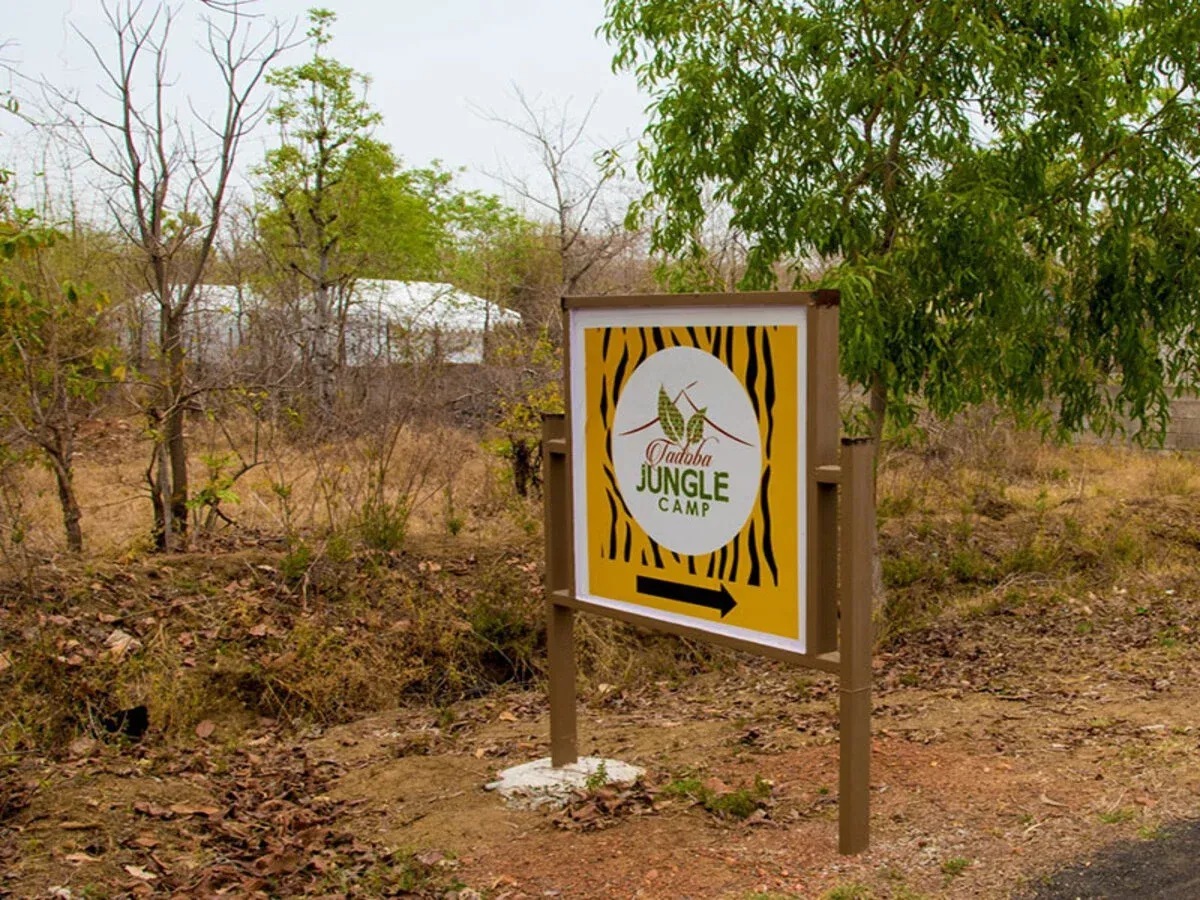
Tadoba Jungle Camp (Maharashtra): 25 keys.
Kanha Jungle Camp (M.P.): 20 keys.
Rukhad Jungle Camp (M.P.): 8 keys, the new kid in the jungle.
Highway Retreats:
Bison Highway Retreat – 4 keys.
Midway Treat Deur Kothar – restaurant-only, 40 seats.
Together, that’s 87 operational rooms across six properties. The company plans to expand capacity to 170–180 rooms within two years — doubling its room base through new projects like Kukru Jungle Camp and the heritage-themed Sheopur Fort Hotel.
The business model is asset-heavy, which means high upfront investment but recurring returns once the resorts stabilize. Jungle Camps earns from room rentals, restaurant operations, adventure activities, and tie-ups with online travel agencies like MakeMyTrip and Booking.com.
So yes — it’s not just about “glamping” in the woods. It’s about monetizing the modern guilt of city dwellers who want to feel one with nature… but with AC, Wi-Fi, and buffet breakfast.
4. Financials Overview
Here’s how Jungle Camps performed in the latest Quarterly Results (Q2 FY26 – Sept 2025) compared with its past: