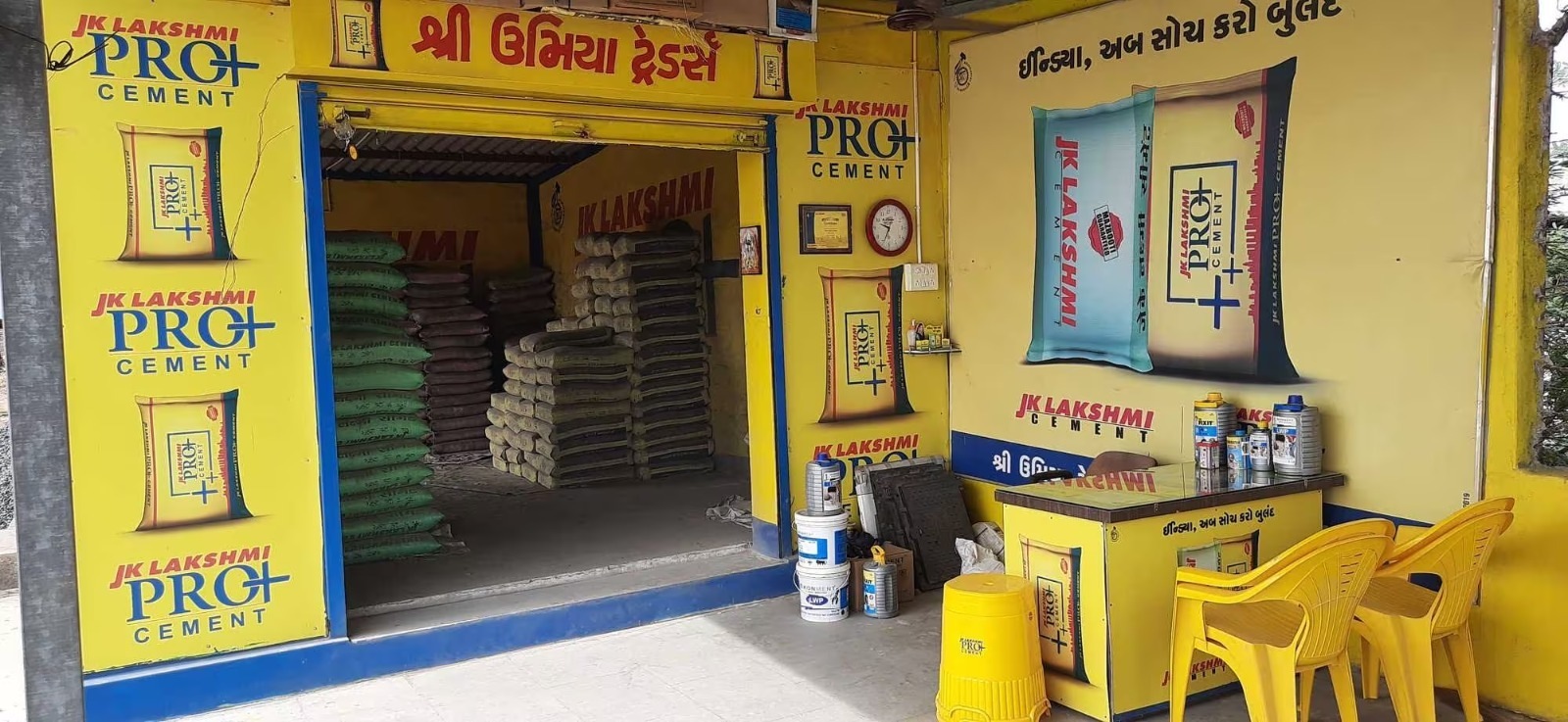
JK Lakshmi Cement FY26: The ₹325 Crore Disappearing Mining Act and Other Heavy-Duty Dramas
Section 1 — At a Glance
A single structural fracture can compromise the integrity of an entire concrete foundation. In the FY26 financial ledger of JK Lakshmi Cement Ltd, that fracture materialized as a sudden ₹325 crore asset derecognition that dramatically wiped clean the company’s long-term intangible infrastructure. While headline volumes and operating profits staged a robust multi-quarter recovery, investor attention remains fixed on a bitter legal battle brewing with a prominent mining consortium, alongside an aggressive, high-leverage capital expenditure playbook.
The market appears to be pricing in the immediate pain of regional capacity gluts and structural cost inflation rather than celebrating a clean audit report. True corporate transformations require significant upfront capital expenditure before delivering sustainable margin expansion. For JK Lakshmi Cement, the central question is whether its ambitious drive toward a 30 million tonne footprint will yield market leadership or simply trap excessive capital in an increasingly cyclical and fragmented industry.
Section 2 — Introduction
Welcome to JK Lakshmi Cement Ltd, a cornerstone of the multi-generation JK Organisation that has spent the last four decades turning limestone into shareholder equity across northern, western, and eastern India. The fiscal year 2026 was supposed to be a year of tidy corporate simplification. Management successfully executed a massive composite scheme of amalgamation, rolling its primary subsidiary, Udaipur Cement Works, along with Hansdeep Industries and Hidrive Developers, directly into the parent balance sheet.
But instead of a quiet period of consolidation, FY26 turned into a legal and logistical thriller complete with canceled mining concessions in Assam, last-minute emergency bid acquisitions, and a multi-billion-rupee infrastructure bet that promises to either supercharge their scale or test the absolute limits of their bank relationships.
Section 3 — Business Model: WTF Do They Even Do?
At its core, JK Lakshmi Cement takes giant rocks, pulverizes them at extremely high temperatures, and sells the grey powder to everyone from infrastructure giants like L&T to individual home builders. They offer a heavy portfolio of ordinary Portland cement, blended options, and value-added construction materials like ready-mix concrete and autoclaved aerated blocks under premium-sounding names like Platinum Heavy Duty and JKLC Sixer.
The geographic strategy relies on clustered manufacturing. They run integrated mother plants in Sirohi and Durg, feeding specialized split-grinding units strategically sprinkled across Haryana, Gujarat, and Odisha. They claim to be one of the lowest-cost producers in the industry, largely because they behave like a mini utility company—generating 46% of their energy needs from a captive mix of green waste heat recovery and solar arrays. It is a solid, cash-generative business model, provided nobody cancels your access to the raw materials.
Section 4 — Financials Overview
Figures are consolidated, in ₹ crore.
Metric
Latest Quarter (Mar ’26)
YoY
QoQ
Revenue
₹1,901.53
6.78%
19.71%
EBITDA / Operating Profit
₹275.36
-18.09%
34.19%
PAT
₹124.06
-20.99%
117.96%
EPS
₹9.99
-25.11%
118.12%
Short-term quarterly spikes are secondary to structural shifts in core operational expenditures. While the sequential March quarter sales jumped to ₹1,901.53 crore on standard year-end construction activity, trailing year-over-year margins show visible compression.
What is Management Promising in the Coming Quarters?
During the May 2026 earnings call, the executive team sounded less like cement manufacturers and more like macro-risk analysts. Management noted that while pan-India demand grew around 7% in FY26, the industry added a spectacular 64 million tonnes of new capacity, dragging industry utilization down to a vulnerable 69%.
“We are bracing for near-term cost inflation of ₹120 to ₹130 per tonne in Q1 alone, driven by a 40% surge in international pet coke prices to $160 per tonne and a domestic diesel price hike.”
To grow without immediate new capacity online in FY27, management is deploying a strict operational playbook: