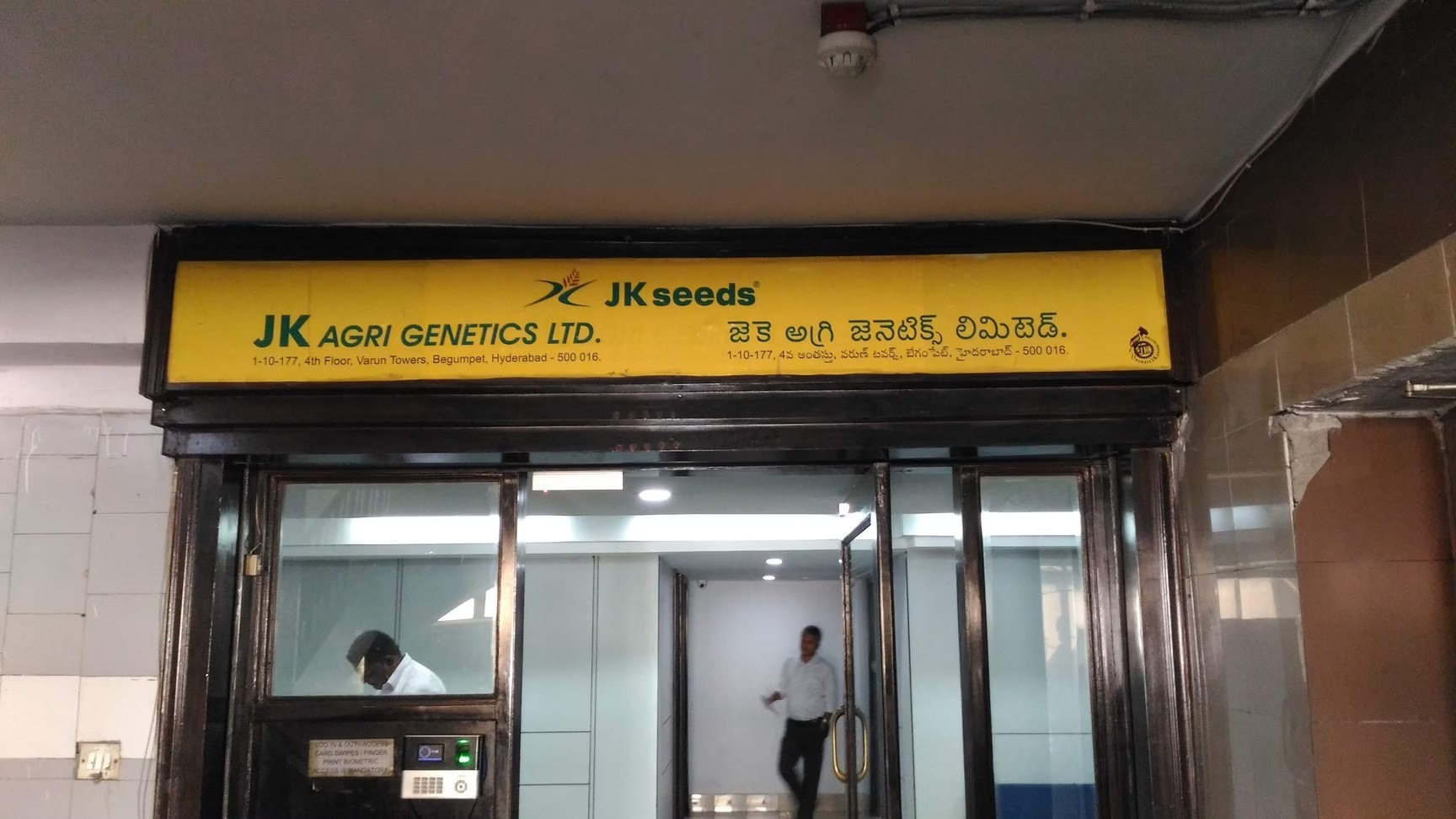
The seeds of a potential recovery are being sown in the balance sheet of JK Agri Genetics Ltd (JKAGL). While the surface-level numbers might look like a scorched field, the underlying financial restructuring tells a story of aggressive deleveraging and cost-cutting. In a year where the industry has been battered by erratic monsoons, JKAGL has managed to wipe its slate clean of term debt, ending the year with a debt-to-equity ratio of 0.00.
However, investors are keeping a hawk-eye on the -13.2% ROE and the massive ₹39.72 crore inventory write-off in FY25. This company is a classic case of a turnaround bet backed by a 100-year-old conglomerate, the JK Group. With the promoter holding locked at 73.1%, the skin in the game is undeniable, but can the R&D pipeline convert into PAT in FY27?
1. At a Glance – The Audit of a Seed Giant’s Survival
If you look at the ₹158 crore market cap of JK Agri Genetics, you might mistake it for a small-time player. You would be wrong. This is a company with a Pan-India distribution network of over 20,000 retailers and 2,500 distributors. It is part of the legendary JK Group, sitting alongside giants like JK Tyre and JK Lakshmi Cement. Yet, the financials scream of a struggle that is both seasonal and structural.
The most sensational part of the latest results isn’t the profit—because there isn’t much of it yet—but the Liquidity Buffer. The company realized ₹72 crore from a land sale in Hyderabad, which it used to completely repay its term loans. As of March 2026, the company is almost debt-free, a bold move in an industry known for heavy working capital cycles.
But here is the catch: Sales growth over the last 5 years is -6.77%. The company is shrinking its way to health. By rationalizing territories—slashing them from 200 to 100—the management is betting that “less is more.” They are dropping low-margin products to focus on high-value hybrids. This is a high-stakes gamble on R&D. If the new seeds don’t sprout, the infrastructure costs will eat the remaining net worth.
The “Red Flags” are impossible to ignore:
- Negative Retained Earnings: The PAT for the quarter was a loss of ₹9.10 crore.
- Inventory Obsolescence: A ₹39.72 crore write-off indicates past failures in forecasting demand.
- Geopolitical Risk: Exports to Sudan and Ethiopia are under pressure due to regional unrest.
Is this a phoenix rising from the ashes of a bad monsoon, or a legacy brand struggling to stay relevant in a tech-first Agri-world? The next few quarters will decide if the “Negative” outlook from credit agencies turns into a “Stable” one.
2. Introduction
JK Agri Genetics Ltd is the agricultural arm of the diversified JK Group (East). Founded in 1989, it has spent over three decades establishing the “JK Seeds” brand as a household name in the Indian hinterlands. The company operates in a sector that is the backbone of the Indian economy but remains at the mercy of the Rain Gods.
The business is highly seasonal, with nearly 60% of sales occurring in the first quarter (April-June). This creates a massive mismatch in cash flows during the rest of the year. In FY26, the company reported a total revenue of ₹158 crore, a slight dip from the previous year, reflecting the management’s conscious choice to exit unprofitable territories and products.
Recent corporate actions show a company in “Cleanup Mode.” They have reduced their stake in JK Agri Research Services Ltd from 49% to 8.16%, effectively ending its status as an associate. This move suggests a focus on the core standalone business rather than peripheral research entities.
The leadership transitioned in late 2023, with Kuldeep Kumar Pandit taking the reins as President and Director. His mandate is clear: rationalization. From cutting down the number of permanent employees to streamlining the R&D centers, the focus has shifted from “growth at any cost” to “profitability at any scale.”
With a market cap almost equal to its annual sales (Price to Sales of 1.00), the stock is priced like a distressed asset. However, the backing of Bengal & Assam Company Ltd (the JK Group’s investment arm) provides a safety net that most small-caps lack.
3. Business Model – WTF Do They Even Do?
At its heart, JKAGL is a “Seed Tech” company, though it sounds much more boring when you call it “Agri and Allied products.” They don’t