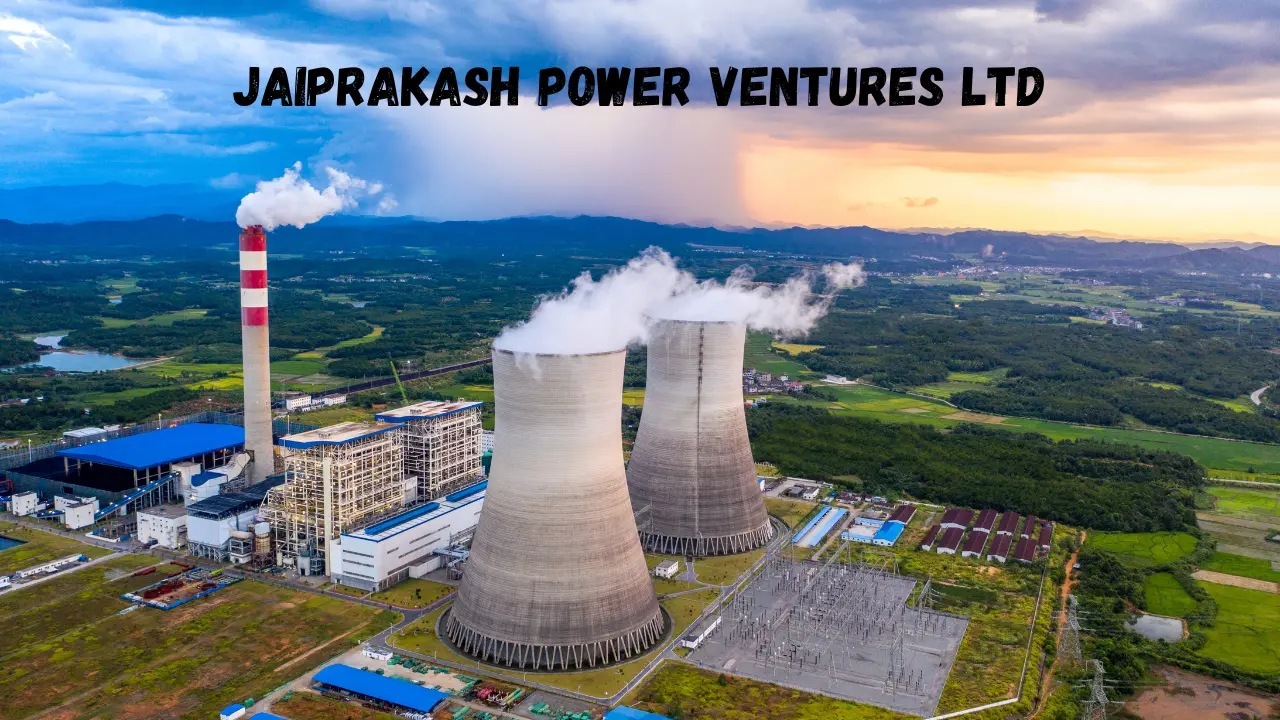
1. At a Glance
Imagine a company that manages to operate massive supercritical thermal power plants and a vital hydroelectric project, yet finds itself in a plot that feels like a cross between a legal thriller and a high-stakes poker game. We are looking at a power giant that generates thousands of megawatts, literally keeping the lights on in parts of Uttarakhand and Madhya Pradesh, while its own corporate house is under a thunderstorm of litigation, arrests, and insolvency filings.
In the last year, this entity has seen its net profit swing from a comfortable surplus to a negative ₹13.4 crore in the latest quarter. That is a 109% drop in quarterly profit variance. While the revenue remains relatively stable at ₹1,386 crore for the quarter, the bottom line is screaming for help. Investors have watched the stock price dance between ₹12.5 and ₹27.7 over the past 52 weeks, currently hovering around ₹18.0.
The numbers tell a story of a business that is fundamentally productive but structurally exhausted. With an Operating Profit Margin (OPM) crashing to 9% in the most recent quarter from a lush 48% just a year ago, the operational efficiency has hit a massive speed bump. Yet, the Market Cap sits at ₹12,329 crore, and the stock trades at almost exactly its Book Value of ₹18.6.
But here is the kicker: while the plants are humming, the boardroom is silent. The Chairman was recently released on interim bail, the promoter company has been admitted to insolvency, and major lenders are knocking on the door with corporate guarantee claims worth over ₹500 crore. It is a classic “good assets, bad baggage” situation.
Are the growing power demands of India enough to bail out a legacy player caught in a web of debt and legal crossfire? Or is this just the final sparks of a dying circuit?
2. Introduction
Welcome to the world of Jaiprakash Power Ventures Limited (JPVL). If you like your investments with a side of adrenaline and a heavy dose of “what happens next,” you’ve come to the right place. JPVL is a key player in the Indian power sector, with a portfolio spanning thermal power, hydroelectric energy, and coal mining.
The company operates three major plants:
- Vishnuprayag Hydro (400 MW): The reliable workhorse in Uttarakhand.
- Jaypee Bina Thermal (500 MW): A coal-fired plant in Madhya Pradesh.
- Jaypee Nigrie Thermal (1320 MW): A supercritical beast that includes a cement grinding unit (currently in a “it’s complicated” relationship with a potential buyer).
JPVL has been on a long, arduous journey of debt restructuring since 2019. They’ve managed to slice their debt from over ₹11,000 crore to approximately ₹3,391 crore as of March 2026. On paper, that looks like a heroic turnaround. However, the ghost of the Jaypee Group’s past continues to haunt the hallways.
The latest results for the quarter ended March 2026 are out, and they aren’t exactly a victory lap. With a net loss of ₹13 crore for the quarter, the market is starting to wonder if the “debt reduction” story has hit a plateau while legal costs and operational headwinds take over.
3. Business Model – WTF Do They Even Do?
JPVL is essentially a “power utility with benefits.” They don’t just flip a switch; they own the whole supply chain—from the coal mine to the turbine.
- The Power Generation: They have a total capacity of 2,220 MW. About 1,245 MW is locked in long-term Power Purchase Agreements (PPAs), which is like having a steady salary. The remaining 975 MW is sold on the short-term market (merchant power), which is more like freelancing—sometimes you’re rich, sometimes you’re eating instant noodles.
- The Coal Connection: They own the Amelia Coal Mine, which provides fuel for the Nigrie plant. This is a massive advantage because they don’t have to beg for coal at high prices when the global market goes