At a Glance
Iris Clothings Ltd is no longer just a quiet manufacturer from Howrah; it is morphing into a branded kidswear predator. The numbers for FY26 tell a story of aggressive top-line pursuit, with Sales hitting ₹191 crore, a massive jump from the previous year. However, beneath the surface of this 50.4% quarterly revenue growth, there are structural shifts that every serious observer must dissect.
The company is currently trading at a P/E of 42.8, which suggests the market is pricing in a “Disney-fied” future. While the alliance with The Walt Disney Company and Marvel provides a premium halo, the operational reality is grittier. The company’s Gross Current Assets (GCA) stood at a staggering 315 days as of March 2025, and though the latest cycle shows some movement, the working capital remains heavily tied up in inventory and receivables.
We see a company that is intentionally hurting its own margins in the short term to buy a seat at the big table. The EBITDA margin for FY26 settled at 15.4%, a noticeable drop from the 19.3% seen in FY25. Management claims this is a “transient” phase caused by outsourcing new product lines like winterwear and heavy spending on dealer conferences. But as an auditor-style investigator would ask: is this a one-time investment, or is the “Doreme” brand discovering that the cost of staying relevant in a crowded retail market is permanently higher?
The transition to a Direct-to-Consumer (D2C) model and the rollout of Exclusive Brand Outlets (EBOs) beyond East India into high-cost clusters like Mumbai and Bangalore will test the balance sheet’s resilience. With Total Assets now crossing ₹204 crore, the scale is there, but the efficiency of that capital is the real question. Investors are watching a transformation in real-time, where a manufacturing-led business is trying to wear the skin of a retail-led brand. The question isn’t whether they can grow—they clearly can—but whether they can do it without diluting the bottom line into oblivion.
Introduction
Iris Clothings Limited has come a long way since its inception in 1956. Originally a proprietorship and later reconstituted as a public limited company in 2012, it has evolved into a fully integrated player in the kids’ readymade garment segment. The brand Doreme has become a household name in specific pockets of India, particularly in the East, focusing on the 0-16 years age bracket.
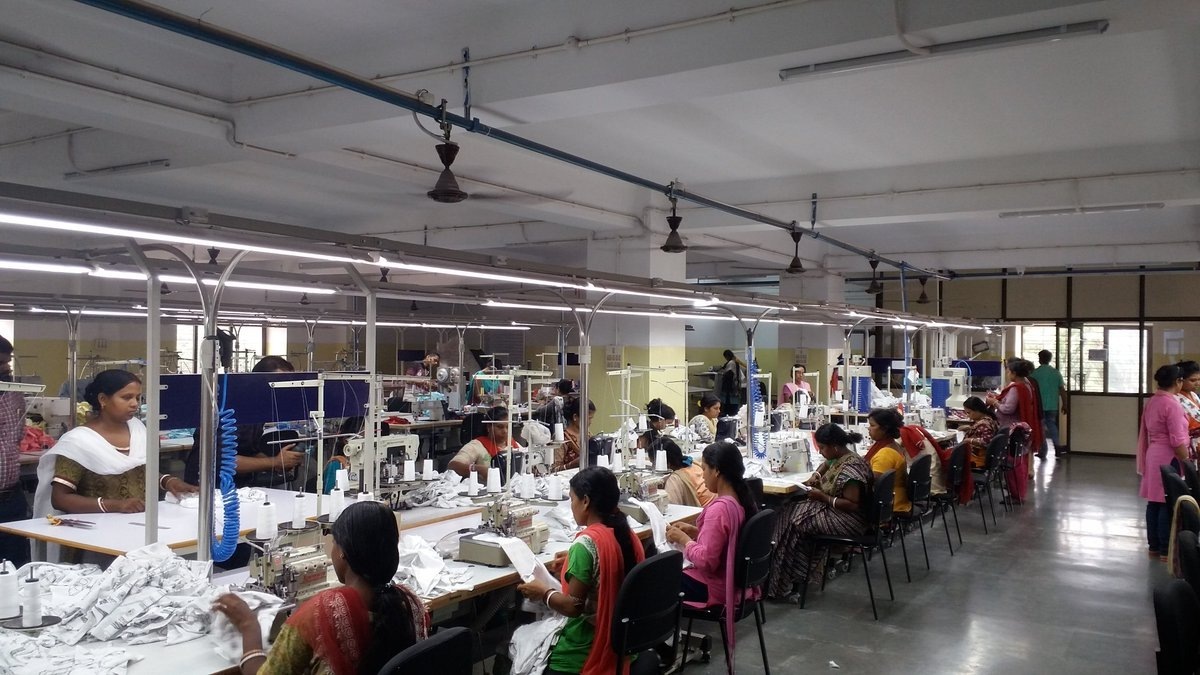
The company operates out of 10 manufacturing units (including dispatch and corporate) in Howrah, West Bengal, covering approximately 1,45,000 sq. ft. Their capacity has recently been bumped up to 36,000 pieces per day, with plans to hit 40,000 via a ₹10 crore capex. This isn’t just about making t-shirts anymore; it’s about a multi-pronged strategy involving licensing, premiumization, and geographic expansion.
In the last year, the company has shown a relentless focus on its “Vision 2030.” This vision is centered on moving from a B2B distribution-heavy model to a D2C powerhouse. They are targeting 1,000 orders per day via online channels by FY27 and aim for digital sales to contribute 10% of total revenue.
However, the path to 2030 is paved with high operational costs. The company recently concluded a ₹47.5 crore rights issue and issued 1:1 bonus shares, signaling a massive equity expansion. While this provides the fuel for expansion, it also raises the bar for Return on Equity (ROE), which has seen a dip in the latest fiscal year.
Business Model – WTF Do They Even Do?
At its core, Iris Clothings is a “cradle-to-teen” outfitter. They handle everything from the initial design and fabric sourcing to the final stitch and dispatch. This vertical integration is their primary defense mechanism against the chaotic unorganized garment market.
The Product Mix:
- Infants to Juniors (0-16 years): Everything from ₹90 onesies to ₹2,500 hoodies.
- The Disney Factor: They hold a licensing agreement with Disney and Marvel. This isn’t just for show; it allows them to charge a premium and enter the “character-led” apparel market which has higher stickiness among kids.
- New Verticals: They are aggressively pushing into sportswear, innerwear, and infant accessories to ensure they own more of the “wardrobe share.”
The Sales Engine:
Historically, they were a Distribution Play. With 216 distributors and 20,000+ retail touchpoints, they relied on the “push” of the wholesaler. Now, they are shifting to a Retail “Pull” strategy. They have