Ingersoll-Rand (India) Ltd, FY2026: Air Compressors, Dividends, and a Multiple the Market Hasn’t Explained
General information and entertainment, not investment advice. The author is not a SEBI-registered adviser or research analyst. No recommendation, no promised returns. Markets carry risk including loss of capital. Figures may not be current. Consult a registered adviser before acting.
The company reported FY2026 revenue of ₹1,392 Cr and net profit of ₹256 Cr, with operating margin contracting to 24% from 26% the previous year. Quarterly results show uneven momentum — December 2025 quarter hit ₹455 Cr revenue on strong order conversion, but March quarter fell to ₹300 Cr. The stock trades at 47.6x earnings. Cash sits at ₹160 Cr, debt is near zero. The new plant at Sanand commenced trial production in October 2025.
2. Introduction
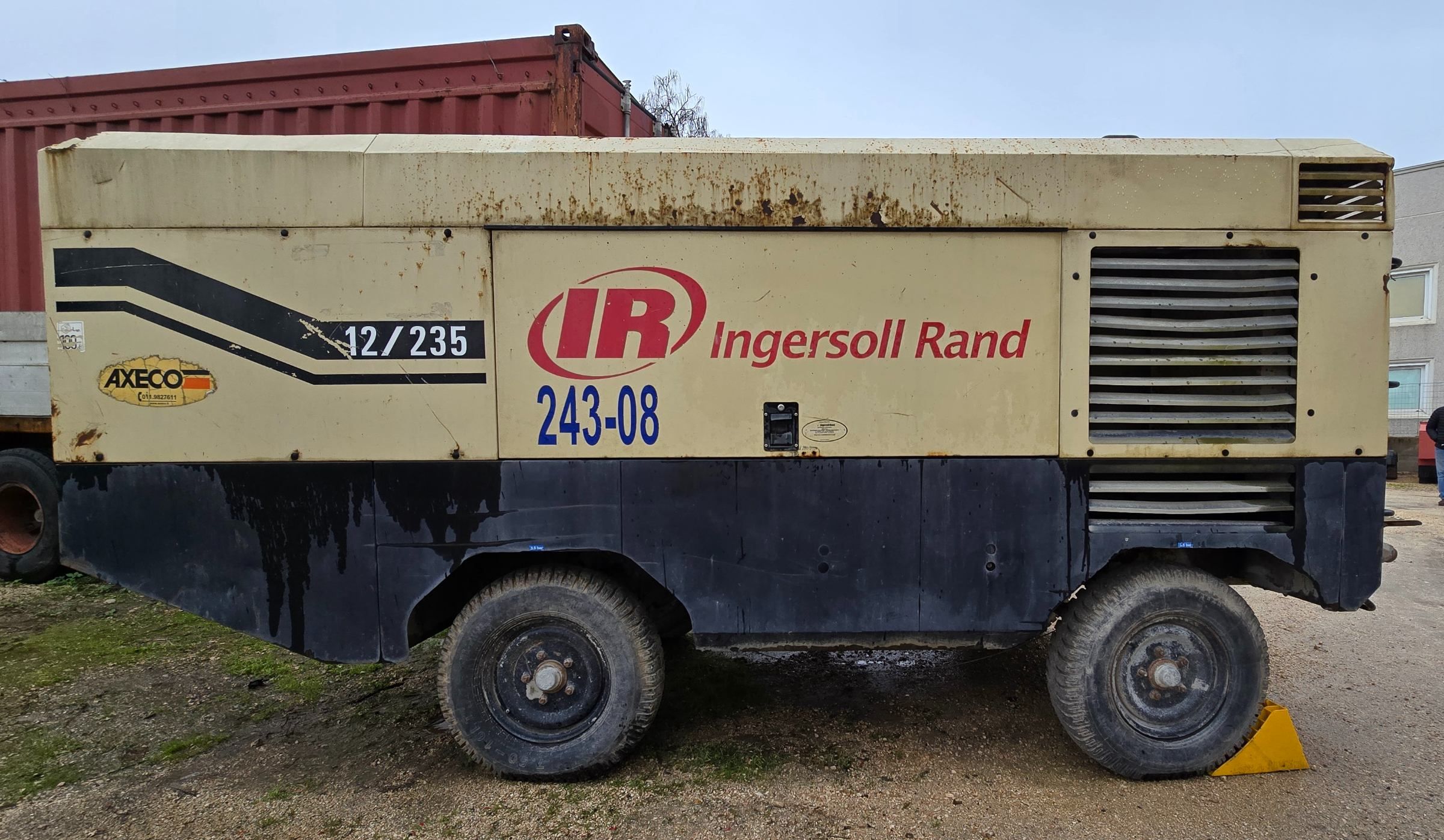
Ingersoll Rand India manufactures air compressors — reciprocating, rotary, centrifugal — for domestic and export markets. The company has operated since 1921 and is 75% held by Ingersoll Rand Inc (US parent, rated BBB by S&P). The parent procures global small-compressor volumes from India and offers technological support; exports accounted for ₹250 Cr (18%) in FY2025, trending down from 21% historically.
The sector competes on scale and product mix. Atlas Copco India carries a 63.8x multiple; Elgi Equipments runs at 43x. Kirloskar Pneumatic sits at 38.2x. The compressor market remains exposed to cyclicality in automotive, pharma, and metals demand.
3. Business Model: WTF Do They Even Do?
The company sells air compressors under brands like NASH, CompAir, Ingersoll Rand, Gardner Denver, ARO, Thomas. Revenue breaks down roughly: whole-goods sales (reciprocating, rotary, centrifugal units) dominate at ~92% in recent filings, while spares and services contribute modestly. The firm holds ~50% share in the centrifugal compressor segment locally — a defensible position in industrial machinery.
Customers sit in automotive (still the anchor), metals, pharma, textiles. A single customer, Ingersoll Rand Company USA (the parent), represented ₹250 Cr or 18% of FY2025 revenue; this dependency has inched higher over five years but remains manageable against a ₹1,200+ Cr annual base.
The Sanand plant, commissioned in trial in October 2025 at capex of ~₹170 Cr, targets 5,000 units per month of centrifugal compressors. It was to be operational by year-end FY2026 but delayed until FY2027 start per February 2025 guidance.
4. Financials Overview
Figures are consolidated, in ₹ crore. Result type: Annual. Latest reported: FY2026 (March 2026).
Metric
FY2024
FY2025
FY2026
YoY Change
Revenue
1,198
1,336
1,392
+4.2%
EBITDA
295
358
348
-2.8%
PAT
222
268
256
-4.5%
EPS
70.45
84.74
81.10
-4.3%
FY2026 narrative: Revenue inched 4% higher on improved order intake (Q3 FY2026 spiked to ₹455 Cr), but profit margin compression clawed back gains. Operating margin dropped 200 basis points to 24%, reflecting mix headwinds and input cost volatility. Depreciation held steady at ₹15 Cr; interest expense stayed near zero on a debt-free balance sheet.
The concall (from the filing announcements) flagged that spares and services grew 7% and 26% respectively in FY2025, partially offsetting whole-goods pressure. Management stated no large capex beyond Sanand stabilisation in FY2027.
5. Market Expectations & Historical Multiples
This section describes how the market is currently