Indong Tea Company Ltd H1 FY26 (Half-Yearly) – ₹14.73 Cr Sales, ₹0.32 EPS, Borrowing Limit Jumps to ₹1,000 Cr While Tea Margins Sip Slowly
1. At a Glance – The Tea Cup That’s Half Full, Half Questionable
Indong Tea Company Ltd is that small-cap tea estate which reminds you of a roadside chai tapri trying to open a Starbucks-sized balance sheet. Market cap sits at roughly ₹22.6 Cr while the stock politely trades near ₹11.6, which is a long fall from its highs and a reminder that tea, unlike wine, doesn’t always age well on Dalal Street. Sales for the latest half-year came in at ₹14.73 Cr, PAT at ₹0.62 Cr, and EPS at ₹0.32 — numbers that look decent until you remember this is half-yearly data and margins still behave like an Assam monsoon: unpredictable. ROCE is a sleepy 1.9%, ROE barely wakes up at 0.5%, and yet the board has approved borrowing limits going up to a jaw-dropping ₹1,000 Cr. Yes, you read that right. A ₹22 Cr company asking for borrowing power that could fund half the tea estates in Upper Assam. Curious already? You should be.
2. Introduction – Welcome to the Soap Opera Called Tea Economics
Tea companies are supposed to be boring. Leaves grow, leaves plucked, leaves boiled, chai served. But Indong Tea Company somehow adds masala without adding sugar. Incorporated back in 1990, this is not a startup pretending to be a heritage brand. This is actual heritage — one tea garden, one estate, one big dream.
The company cultivates, manufactures, and sells CTC black tea primarily through auction centres and bulk/private sales. Simple business, right? Except nothing is simple when margins swing from positive to negative faster than tea prices at Guwahati auctions.
FY24 showed a revenue base of ₹30.66 Cr with a net loss of ₹2.21 Cr. Then suddenly, half-year ended Sep 2025 shows profitability. The question every investor should ask (and comment below): is this a turnaround or just seasonal caffeine?
Add to that: promoter holding has been steadily declining from above 64% to nearly 50.6%. Public holding is rising. Debt has come down to ₹7.72 Cr, but cash flows from operations in Mar 2025 were negative ₹8.92 Cr. And then, like a plot twist in a daily soap, the company approves massive borrowing limits. Suspense music intensifies.
3. Business Model – WTF Do They Even Do?
Indong Tea Company does exactly what its name says. No crypto, no AI, no “platform play.” Just tea. Specifically CTC (Crush, Tear, Curl) black tea.
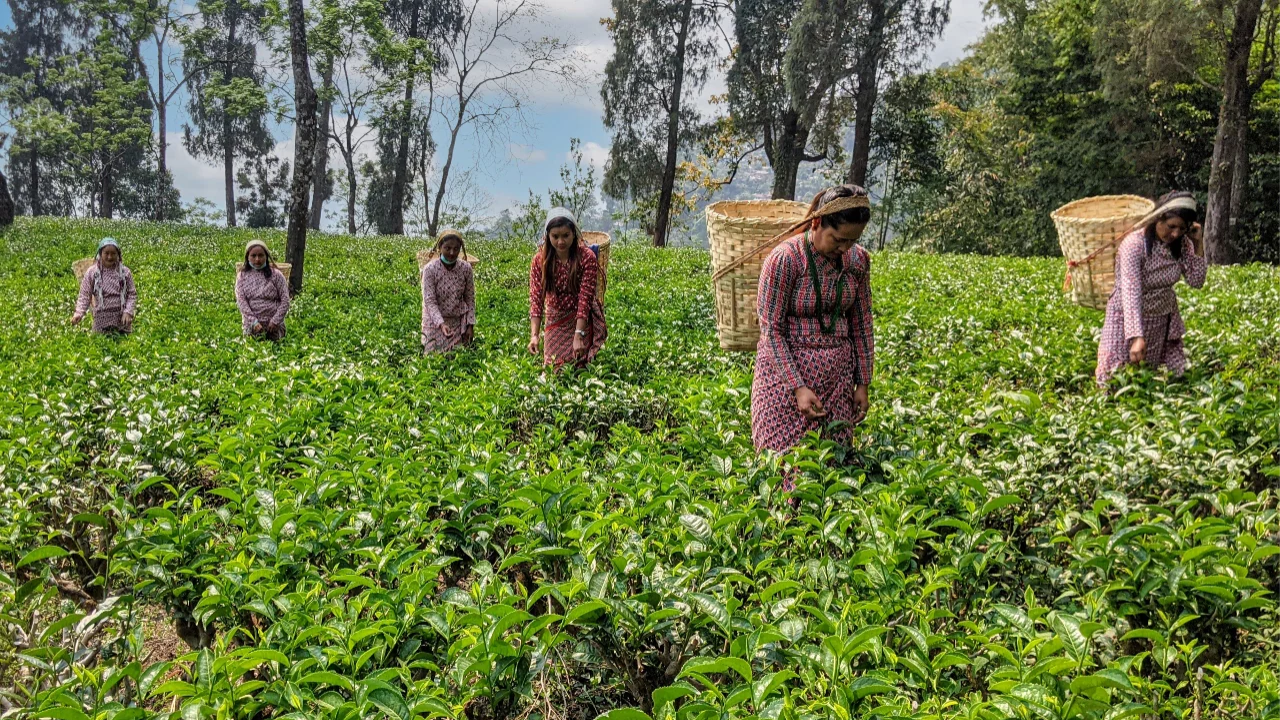
They operate one tea estate — Indong Tea Estate — spread over 740.38 hectares, of which 492.09 hectares are under tea plantation. That’s not tiny, but it’s not a Tata Tea empire either. They harvest green leaf, buy additional leaves from small growers, process them, and sell finished tea.
FY24 operational metrics tell the story:
Green leaf harvested: 42.29 lakh kg
Leaf purchased: 11.41 lakh kg
Tea produced: 12.40 lakh kg
Tea sold: 12.26 lakh kg
Average realisation: ₹172/kg
That realisation number is key. Tea prices decide whether you drink champagne or plain chai. At ₹172/kg, margins are tight, especially with labour costs, energy, transport, and interest.
Bonus side hustle: a dairy unit with 70–80 bovines inside the estate. Yes, your tea might be indirectly sponsored by cows. Dairy contributes about 2% of revenue, so don’t expect Amul-level synergies.
Certifications like ISO 22000, HACCP, CODEX GMP add hygiene points but don’t magically boost