1. At a Glance
Imagine a company that has been around since 1946—longer than independent India. It survived the license raj, the 1991 liberalization, and the digital revolution. Now, imagine this legacy player trading at a Price-to-Earnings (P/E) ratio of over 1,000. Yes, you read that right. In a world where investors hunt for value, this company is being priced as if it’s about to discover a cure for aging or launch a rocket to Mars.
But it doesn’t build rockets. It makes dyes, sizing chemicals, and electrical capacitors.
The market capitalization has sprinted to ₹1,919 crore, while the annual sales sit at a modest ₹169 crore. This creates a Price-to-Sales ratio of 11.3, a level usually reserved for high-growth SaaS companies or luxury brands, not industrial chemical manufacturers. Yet, the stock has delivered a staggering 359% return over the last year.
While the topline growth remains steady but unhurried, the investor frenzy suggests something is brewing beneath the surface. Is it the recent amalgamation with Refnol Resins? Is it the strategic expansion into the Bangladesh market? Or is the market simply betting on a massive turnaround that hasn’t fully reflected in the Profit & Loss statement yet?
The numbers tell a story of a “small” company with “big” ambitions. With a net profit of only ₹1.87 crore for the full year, every rupee of profit is being valued at over a thousand rupees by the market. This is either the ultimate growth story or a masterclass in market exuberance.
What makes a 78-year-old company suddenly become the darling of the exchanges? Why are investors ignoring a Return on Equity (ROE) of just 2.96%?
2. Introduction
Indokem Ltd is not your average “overnight success.” Founded in 1946, it is a veteran of the Indian industrial landscape and a proud member of the Khatau Group. For decades, it has operated in the background of the textile value chain, providing the essential colors and chemicals that make fabrics wearable and durable.
The company is headquartered in Mumbai and operates through five strategic business units. It isn’t just a local player; it’s an ISO-certified exporter sending textile auxiliaries and dyes across borders. Recently, it has taken bold steps to modernize, including a significant merger and a foray into international territories.
However, the road hasn’t been without its bumps. In late 2025, the company faced a major hurdle when the Maharashtra Pollution Control Board (MPCB) ordered the closure of its Ambernath manufacturing unit due to alleged environmental violations. For a chemical company, a closure order is the equivalent of a heart attack. Fortunately, by January 2026, the company received restart directions, allowing it to get back to work—albeit with strict compliance requirements.
Despite these operational dramas, the stock price has behaved like a high-octane growth stock. This article explores whether the financial engine under the hood can support the premium valuation the market has slapped on it.
3. Business Model – WTF Do They Even Do?
At its core, Indokem is the “make-up artist” for the textile industry. They don’t make the clothes; they make the clothes look good and feel right.
The Product Mix:
- Sizing Chemicals: These are applied to yarns to give them the strength to survive the weaving process. Think of it as hairspray for thread.
- Textile Auxiliaries: These are used in pretreatment, dyeing, and finishing. They ensure the color sticks and the fabric doesn’t feel like sandpaper.
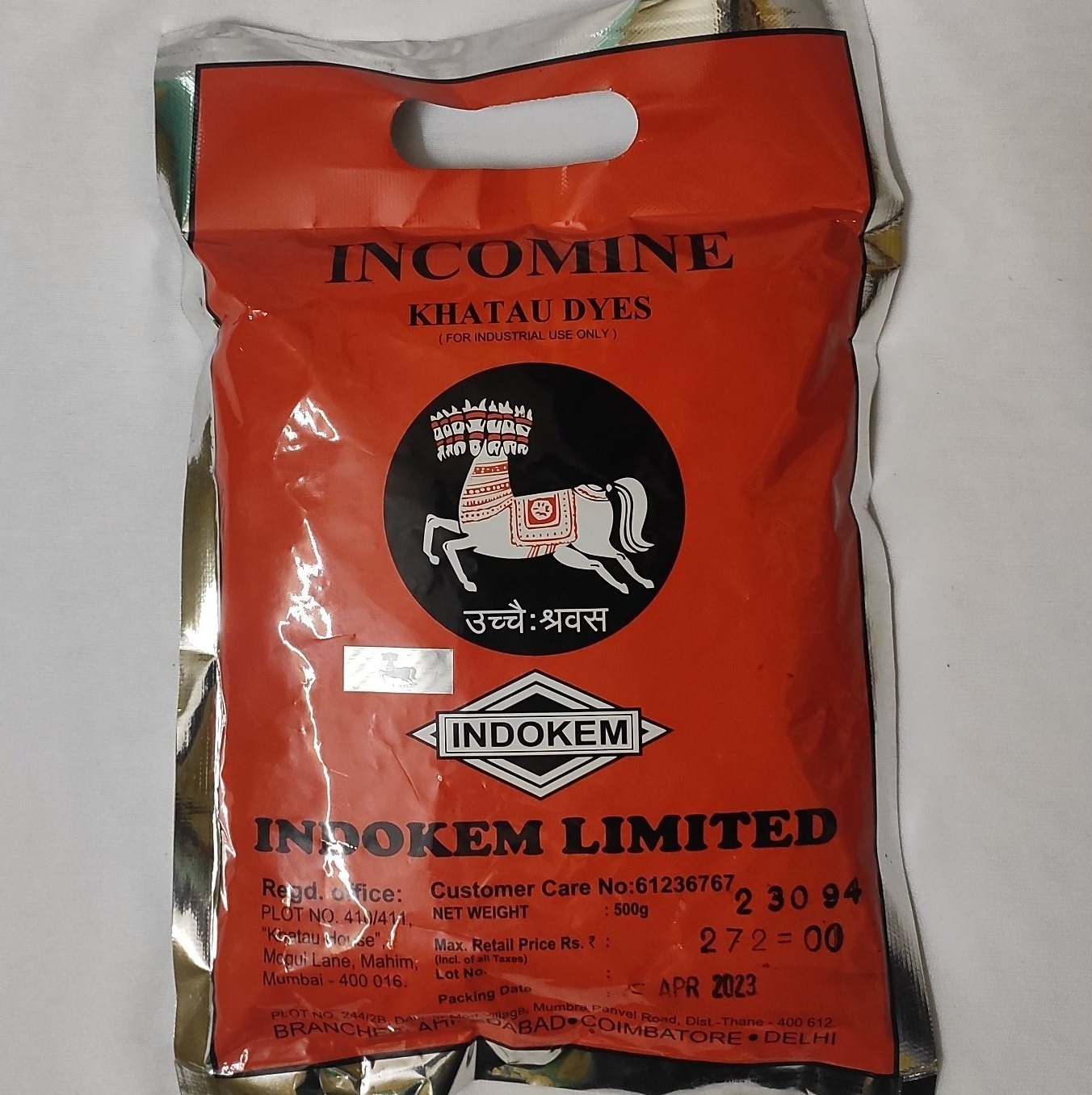
- Textile Dyes: The actual pigments. They produce everything from Vat Dyes to Reactive and Sulphur dyes.
- Electrical Capacitors: A legacy segment that contributes a tiny fraction to the volume but keeps the “Electrical” part of their history alive.
The Revenue Engine:
In FY23, 91% of their revenue came from selling finished goods they manufactured themselves, while only 9% came from trading. This is a “real” manufacturing business with a production capacity