1. At a Glance
Indian Acrylics Ltd is basically Punjab’s attempt to clothe the world in synthetic wool dreams — acrylic fibers, yarns, and tow. With a plant churning out ~45,000 MT capacity, they managed only 36,921 MT production in FY23 and then sold even less. Imagine cooking 10 rotis, eating 5, and staring at the other 5 while crying. Revenues in FY23 were ₹361 Cr, but bottom line? A cool loss of ₹27 Cr. And with debt at ₹183 Cr, promoters pledging 26% of their holding, and ROE at a hilarious -122%, this is a company that turns “warm sweaters” into “cold financials.”
2. Introduction
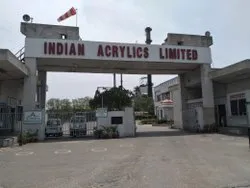
Ladies and gentlemen, welcome to the curious case of Indian Acrylics Ltd, where sweaters are warm, but balance sheets are freezing cold. Incorporated in 1996, this Sangrur-based company makes fibers and yarns that go into sweaters, shawls, furnishing fabrics, carpets, and even toys. In short, if it’s soft and synthetic, they probably had a hand in it.
Now, here’s the irony — the company is supposed to be India’s acrylic fiber giant, but the only thing giant right now is its debt-to-equity ratio: 18x. That’s not leverage; that’s bungee jumping without a rope.
Exports form about 26% of sales, but their European subsidiary in Spain (Carlit Trading Europe, S.L.U.) has been shut since 2021. Which means their “global ambition” is now reduced to a line item in notes to accounts.
The stock trades at 10.5x book value, which sounds fancy until you realize the book value itself is just ₹0.75. Basically, a ₹7.85 stock standing on a 75-paise book value platform — like a bodybuilder standing on a stool from D-Mart.
Question to readers: If a company makes warm sweaters but keeps delivering cold losses, is it a textile play or a comedy play?
3. Business Model (WTF Do They Even Do?)
Indian Acrylics’ main hustle: dry-spun acrylic fibers — staple, tow, tops. These fibers then become yarns, and yarns become sweaters, shawls, carpets, and the like. Their revenue split (FY23):
Sales mix:
- Domestic: 74%
- Exports: 26%
They also tried a European arm to push products abroad, but that got mothballed. So now, their “international exposure” is basically just invoices from customs.
The business model problem? Demand is cyclical, raw material prices fluctuate with crude oil, and competition from China keeps undercutting margins. Basically, they are in the same league as students competing in JEE with 5 hours prep against Kota factory toppers.