1. At a Glance
There are companies that grow.
There are companies that restructure.
And then there are companies that disappear into a merger maze and return with a new surname, a new balance sheet and a completely different personality.
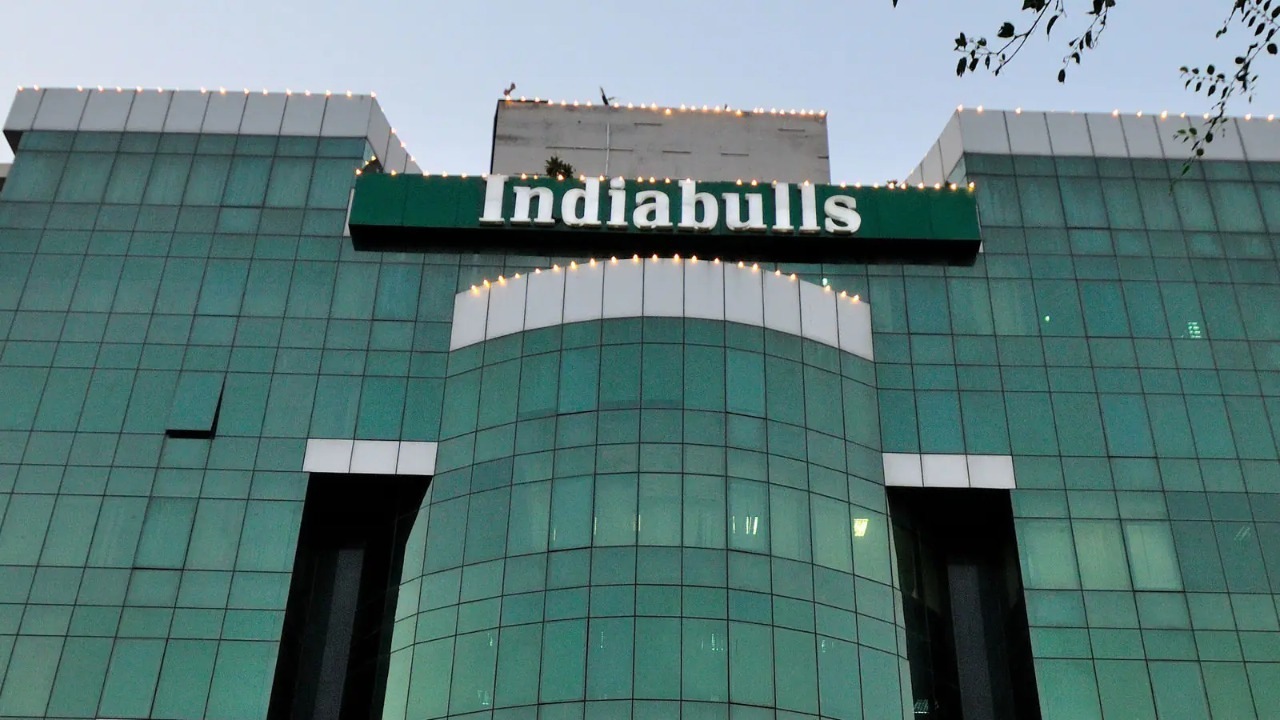
Indiabulls Limited appears to be attempting the third.
Formerly Yaari Digital, now reborn after a large amalgamation involving Dhani Services and multiple entities, what sits before investors today is not merely an operating company but a financial puzzle wearing a developer’s helmet.
And puzzles are dangerous because they often look like opportunities.
Start with the numbers.
FY26 consolidated revenue surged to ₹880.8 crore versus ₹444.4 crore. Profit after tax came in at ₹346.1 crore against a loss of ₹272.7 crore last year.
That is not recovery.
That is financial resurrection.
Q4 alone delivered revenue of ₹418.4 crore and PAT of ₹194.3 crore.
One quarter generated over half of annual profits.
Whenever one quarter does the heavy lifting, an investor should raise one eyebrow.
Maybe both.
Then comes the bait.
Real estate gross development value pipeline of ₹21,366 crore.
Sales booked ₹2,752 crore.
Collections ₹400 crore.
110.52 lakh square feet pipeline.
Broking client assets above ₹68,000 crore.
ARC asset under collection near ₹3,794 crore.
And suddenly this former troubled fintech begins looking like a mini-conglomerate.
But pause.
Conglomerates can create wealth.
They can also hide sins.
Which one is this?
That is where things become interesting.
The market cap is ₹4,136 crore.
Against management’s claimed GDV of over ₹21,000 crore, bulls scream undervaluation.
Against annual PAT of ₹346 crore, a 12.8 P/E looks almost suspiciously cheap.
Cheap enough to attract value hunters.
Cheap enough to trap them too.
Because the detective question is not whether numbers improved.
They clearly did.
The real question is:
How much of this is operating engine…
And how much is merger cosmetics?
Look beneath the surface.
Borrowings have fallen to ₹459 crore.
Debt to equity sits near 0.15.
Net worth turned positive after flirting with destruction.
Real estate segment profit contribution in Q4 was ₹143 crore.
Suddenly, the old digital lender is speaking fluent developer economics.
That deserves both curiosity and skepticism.
Because Indian markets have a long history of rewarding stories before rewarding earnings.
And Indiabulls is currently telling a story.
A very expensive story.
Question for readers:
Is this a distressed phoenix emerging…
Or simply an old empire repainting the walls?
That debate is the investment case.
And that is why this company deserves dissection, not applause.
2. Introduction
Indiabulls today is not the old Indiabulls of housing finance glory.
Nor is it the struggling Yaari Digital shell many had written off.
This is effectively a newly assembled animal.
Part real estate developer.
Part financial services platform.
Part asset reconstruction machine.
Part broking franchise.
Part speculative holding-company cocktail.
And mixed drinks can be dangerous.
The merger changed the script.
Revenue from real estate finally started flowing.
Earlier, the company almost survived on “other income”. That alone should tell you how strange the old model was.
Now, real estate has become centerpiece.
And not modestly.
Management is positioning it as growth engine.
Dwarka Expressway premium housing.
Mumbai commercial assets.
Joint ventures.
Branded residences.
Commercial development.
All the words investors love.
Meanwhile, the financial businesses add optionality.
Stock broking.
ARC recoveries.
AI-powered SMB lending.
UPI ambitions.
Dhani Wallet.
This is where one must be careful.
Optionality often sounds wonderful in presentations.
Sometimes it is simply unfocused diversification.
Yet something undeniable has happened.
Numbers have moved.
Profitability exists.
Capital structure has improved.
Debt has fallen.
Margins have exploded.
This is not fictional.
It is in the filings.
But the detective work begins when one asks:
Are these sustainable economics?
Or one-time merger normalization?
Because Q4 PAT margin above 46% in real estate-finance hybrids is not