1. At a Glance
India Cements — the 78-year-old Chennai-based cement veteran — has finally found a godfather. After decades of crawling through dust, debt, and disappointing margins, the company is now 55.5% owned by UltraTech Cement, India’s undisputed cement emperor. In Q2 FY26, India Cements posted ₹1,117 crore in revenue and ₹14.8 crore PAT, marking a fragile return to black after years of limbo.
The company has a market cap of ₹12,145 crore at a CMP of ₹392. Book value stands at ₹325, giving a modest P/B of 1.2x. ROE is negative (-8.8%), ROCE is in ICU (-5.5%), and interest coverage is a joke (-1.4x). But hey, UltraTech just paid ₹390/share for control — and if the country’s largest cement baron sees value here, maybe there’s still some limestone left in this quarry.
The stock’s up 35% in 6 months — not because of cement demand, but because of corporate matchmaking. Think of this as a tired actor suddenly landing a Marvel cameo.
2. Introduction
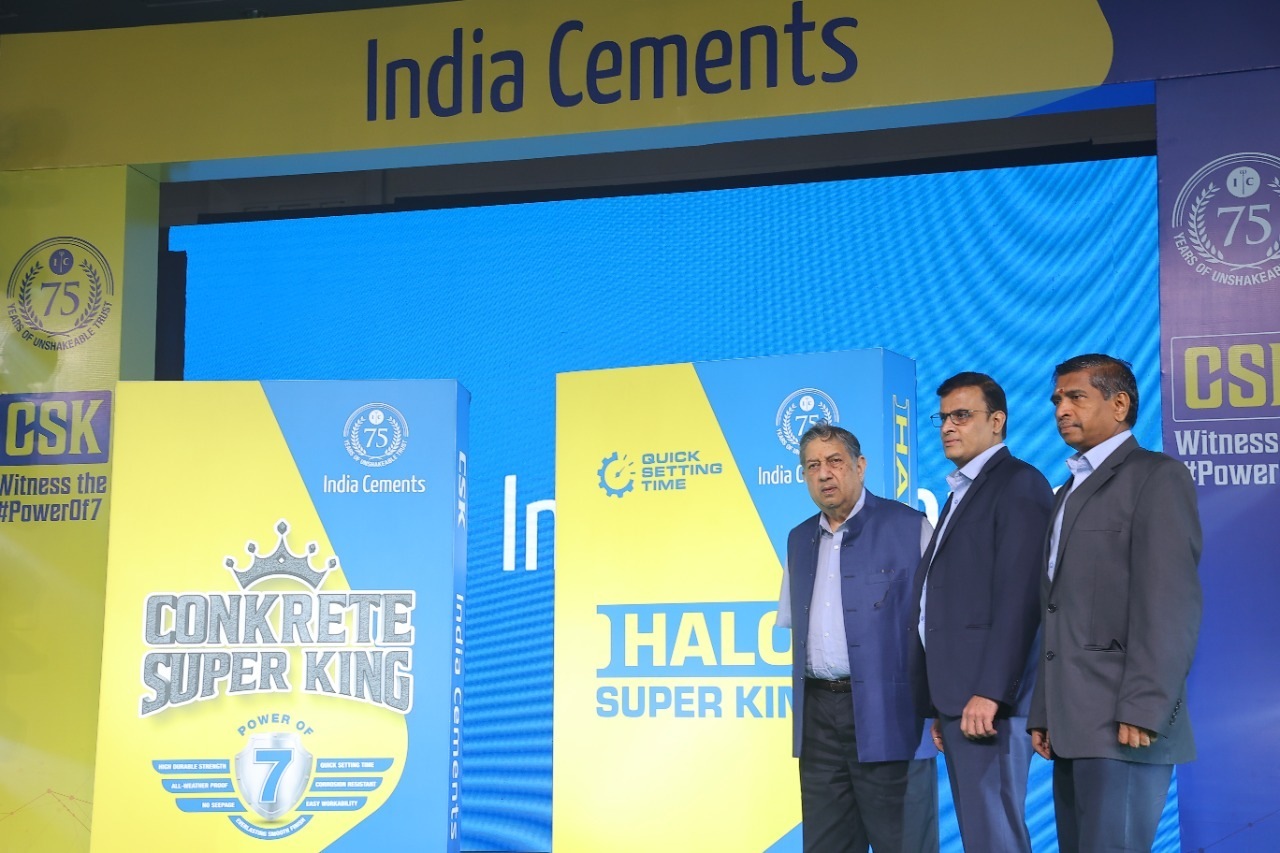
There was a time when India Cements was South India’s pride — a Tamil lion roaring across the Deccan with cement bags branded Sankar Super Power and Coromandel King. It sponsored IPL champions Chennai Super Kings, and N. Srinivasan was the corporate godfather of both bats and bags.
Then came the slowdown. Prices fell, plants aged, debt mounted, and power costs burned margins to ash. Between FY18 and FY25, sales fell from ₹5,770 crore to ₹4,280 crore. Profits turned to dust — literally.
But destiny had plans. In mid-2024, UltraTech Cement (Aditya Birla Group) swooped in and acquired first 22.7% from the market, then a 32.7% promoter stake, taking total control. Overnight, a legacy family business turned into a strategic trophy.
Today, India Cements stands at a crossroads: part legacy, part rebirth. Can UltraTech’s efficiency and balance sheet resurrect this laggard, or will it remain a corporate museum piece?
3. Business Model – WTF Do They Even Do?
Let’s dust off the blueprint:
a) Core Product: Cement
India Cements produces Ordinary Portland Cement (35%) and Portland Pozzolana Cement (65%) under brands like Sankar Super Power, Raasi Gold, Coromandel King, and Super Wall Putty.
b) Manufacturing Muscle
10 plants across Tamil Nadu, Telangana, Andhra Pradesh, Maharashtra, and Rajasthan with 15.55 MTPA installed capacity — that’s mid-tier at best. Plants range from 15-year-old modern units to 40-year-old cost monsters. Add 9 RMC plants and a 50% fossilized equipment base.
c) Allied Ventures
The company dabbled in shipping, captive power, coal mining, and even IPL sponsorships — because why not mix limestone with leg-spin?
d) New UltraTech Plan
Now under new ownership, expect modernization, cost rationalization, and asset consolidation. UltraTech is known to milk efficiencies out of every grinding mill it