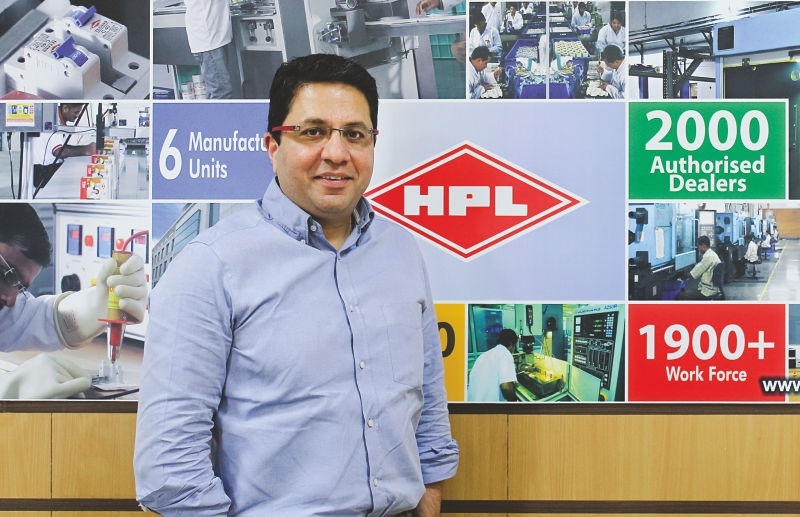
HPL Electric, once known for switches your dad bought in Chandni Chowk, is now flexing with a ₹3,700 Cr smart meter order book. Q1 FY25 revenue came at ₹383 Cr (–2.5% YoY), but PAT stood at ₹18.4 Cr (+8.3% YoY). The metering business (now 61% of sales) is so hot, it’s turning into their own personal Paytm – except this one actually gets paid.
2. Introduction
HPL has been around for four decades, long enough to see incandescent bulbs, CFL scams, and LED price crashes. It reinvented itself with smart meters, and suddenly the stock found “electric current” after years of being a slow-fuse.
But let’s not pretend everything is smooth – debtor days are at 153 (customers treating HPL invoices like Diwali credit at kirana shops), debt-to-equity at 0.7x, and return ratios still weak compared to sexier electronics peers.
Still, with the government shoving smart meters down every discom’s throat, HPL might just be at the right place at the right voltage.
Question for readers: would you trust your power bill more if HPL made the meter, or still assume Bijli board is cheating you?
3. Business Model – WTF Do They Even Do?
Think of HPL as the Swiss army knife of electrical products – but Indian, so half the blades are for jugaad.
Smart Meters (61%) – Prepaid, net, conventional, smart. Basically, meters that tell you in real time how much your AC is killing your salary.
Switchgear (industrial + domestic) – From MCCBs to MCBs to Phase Selectors – basically they make the stuff that ensures your house doesn’t turn into a Diwali fireworks stall.
Lighting – LEDs, street lights, panel lights. Though LED margins have been getting fried faster than pakoras in monsoon.
Wires & Cables – Fire-resistant, coaxial, solar – the arteries of the grid.
Fans – Yes, even ceiling and table fans – because every Indian company has to sell at least one home appliance to feel complete.
In short, HPL manufactures everything from what powers your fridge to the meter that tells you the fridge is stealing half your electricity bill.
Commentary: YoY looks fine, QoQ looks like they tripped on the wire. Investors need to decide if they’re looking at the annual picture (bright) or the quarterly switch (flickering).
5. Valuation Discussion – Fair Value Range
P/E Method: EPS annualised ₹11.5, apply industry P/E range 30–40x → ₹345 – ₹460.
EV/EBITDA Method: EV ₹3,735 Cr, EBITDA TTM ₹257 Cr → 14.5x. Peer range 12–18x → ₹430 – ₹540.
👉 Fair Value Range = ₹345 – ₹540 Disclaimer: Educational purposes only, not investment advice.
6. What’s Cooking – News, Triggers, Drama
Smart Meter Orders: In FY25 alone, orders worth ₹2,100 Cr + ₹369 Cr + ₹240 Cr landed. Order book now at ₹3,700 Cr. Government push is making this segment their desi AI moment.
MoU with Guangxi Ramway: Local relay manufacturing to reduce