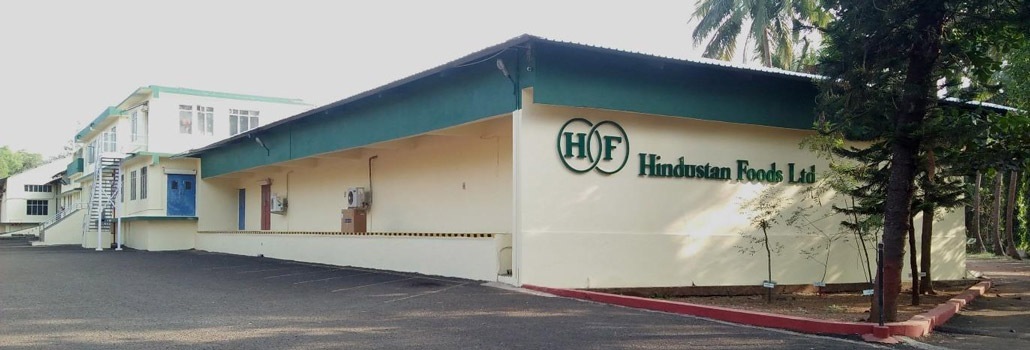
1. At a Glance – The Silent Giant Behind Your Shampoo, Shoes & Soup
Hindustan Foods Ltd is currently trading at ₹505 with a market cap of ₹6,036 crore. In the last 3 months, the stock has done almost nothing (–2.81%), which is ironic because the business clearly hasn’t.
Q3 FY26 revenue came in at ₹998 crore (official filing mentions ₹1,000.14 crore), PAT at ₹36 crore, and EBITDA at ₹93 crore. Quarterly profit jumped 35.2% YoY. Not bad for a company that doesn’t even own most of the brands it manufactures.
Stock P/E stands at 44.2 versus industry P/E of 46. ROCE at 14.3%. ROE at 14%. Debt at ₹901 crore. Price to Book? A spicy 5.78x.
Sales TTM: ₹3,965 crore.
PAT TTM: ₹134 crore.
EPS TTM: ₹11.25.
This is not your typical FMCG darling. This is the factory behind the FMCG darlings.
But here’s the question — when you’re just the manufacturer and not the brand owner, who really has the pricing power?
Let’s investigate.
2. Introduction – From Farex Failure to FMCG Factory Empire
Once upon a time, Hindustan Foods was basically a one-brand story manufacturing “Farex” under a joint venture between Glaxo Smith Kline and the Dempo Group.
That didn’t go well.
Depending on one brand is like depending on one client for your entire CA practice — one disagreement and you’re broke.
Then came 2013. Vanity Case India Pvt. Ltd. acquired Dempo Foods and took 74.45% control. New management. New strategy. New life.
Instead of manufacturing for one brand, HFL pivoted to become a diversified contract manufacturer. That means:
They don’t fight for shelf space.
They don’t spend crores on ads.
They just manufacture quietly and invoice.
From FMCG to pest control, leather shoes to beverages, detergents to OTC pharma — if you’ve used something at home, chances are it may have been made in an HFL factory.
They now operate 11 manufacturing facilities across Goa, Coimbatore, Puducherry, Jammu, Mumbai, Hyderabad, Silvassa, Mysuru and more.
But here’s the catch — 85% of revenue comes from “Dedicated Manufacturing.”
Translation: One plant. One client. Long-term contract.
Stable? Yes.
Risk-free? Not exactly.
If one big contract doesn’t get renewed… what happens to that plant?
3. Business Model – WTF Do They Even Do?
HFL operates under three models:
1. Dedicated Manufacturing (85% of revenue)
They dedicate a full plant to one principal company. Long-term contract. High volume. Lower margin stability.
Imagine being the silent factory behind HUL or PepsiCo.
2. Shared Manufacturing
One plant. Multiple brands. The Goa unit manufactures extruded food products for PepsiCo, Danone & Marico.
Efficient? Yes.
Complex? Also yes.
3. Private Label