1. At a Glance
If diversification were an Olympic sport, Hindustan Foods Ltd (HFL) would be on the podium—probably running the catering, shoe polishing, and medal manufacturing contracts simultaneously. The company clocked a Q2FY26 revenue of ₹1,043 crore and PAT of ₹35 crore, a 54% YoY jump, with plans to splash ₹550+ crore in capex like an FMCG Santa Claus on a growth spree.
With a market cap of ₹6,459 crore, stock price ₹541, and a P/E ratio of 51.1, HFL trades like an FMCG proxy stock but behaves like a contract manufacturing startup on steroids. Return on Equity (ROE) stands at 14%, ROCE at 14.3%, and Operating Profit Margin at 8.22%—healthy enough to keep investors smiling, but not rich enough for a Marico-level spa day.
The Bible says, “Man shall not live by bread alone.” Hindustan Foods took that literally—it now makes bread, shoes, soaps, pest control products, and even ice cream cones. Who needs a diet when your factory can manufacture the entire grocery list?
2. Introduction
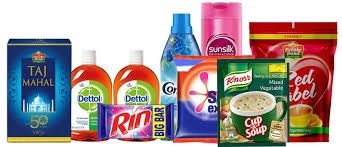
Let’s face it—India’s FMCG dreams need someone to actually make the stuff. Hindustan Foods Ltd (HFL) is that invisible yet essential factory floor behind your Dettol, Pepsico chips, Bata shoes, and now, your ice cream cones. Once a small Goa-based GSK-Dempo JV making “Farex” baby food, it stumbled for years before getting adopted by the Vanity Case Group in 2013. Since then, this Cinderella of manufacturing has become the godmother of outsourcing.
From 2013’s one-product dependency, HFL has morphed into a 11-factory, 7-category powerhouse. It makes everything from home care to footwear, snack foods to pharma creams, across plants stretching from Goa to Jammu.
The strategy? Be India’s FMCG manufacturer-for-hire. While FMCG biggies like HUL, ITC, and Pepsi obsess over marketing, HFL quietly produces their goods under long-term contracts. It’s the backstage crew that makes the show possible — except this backstage is worth ₹6,400+ crore and growing 20% annually.
3. Business Model – WTF Do They Even Do?
Imagine a Swiss Army knife with a business license — that’s Hindustan Foods.
The company has three manufacturing models:
- Dedicated Manufacturing (85% of revenue):
One factory = one client. Think of this like renting your kitchen exclusively to HUL. Stable volumes, predictable cash flows, but dangerous if your client walks away. - Shared Manufacturing:
Multiple brands under one roof — Goa plant makes extruded foods for PepsiCo, Danone, and Marico. It’s like an FMCG hostel — everyone pays rent, shares the kitchen, and occasionally borrows each other’s recipes. - Private Label Manufacturing:
The most profitable model. HFL owns the formula, controls raw materials, and supplies under private labels. Here, it stops being a vendor and starts being a brand whisperer.
The company’s client list reads like an FMCG fantasy draft: HUL, Godrej Consumer, PepsiCo, Wipro, Bata, Hush Puppies, US Polo, and more.
And