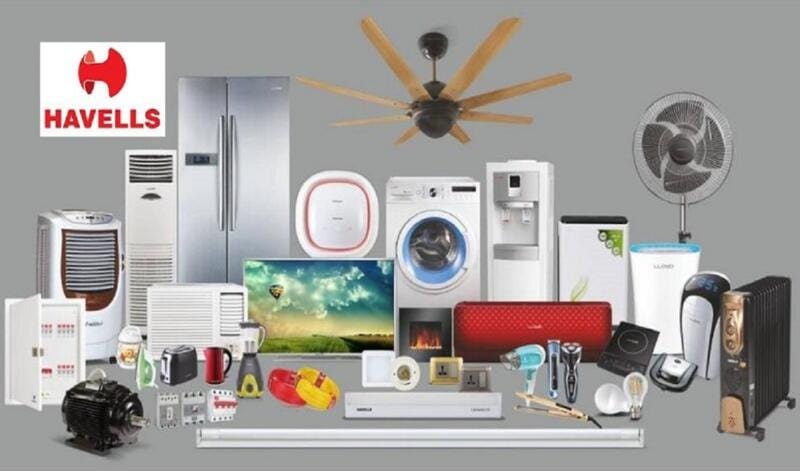
At a Glance
Havells India Limited, the poster child of the FMEG (Fast Moving Electrical Goods) universe, is currently trading at a P/E ratio of 65.9 – because apparently wires and fans have a secret AI startup hiding inside. The company makes everything from cables to air conditioners and even water heaters that seem to boil investors’ patience given the stock’s recent 19% one-year price drop. Still, with ROE at 18.8% and ROCE at 25.3%, Havells is hardly on life support. The company’s aggressive expansion into EV chargers, refrigerators, and solar investments screams: “We’re not just switches and fans, bro.” But does this justify paying ₹1,483 for a share? Let’s untangle this wire.
Introduction
Picture this: You’re in a room with a fan, a switch, some cables, and an air conditioner—all proudly carrying the Havells logo. You realize half your house is powered by this one company. And then you look at its stock price and think, “Should I pay for one share or buy an actual AC?”
Havells has evolved from being just another electrical goods company to an empire that touches every socket in India. It’s in cables, appliances, modular switches, luminaires, and now it’s flirting with EV chargers and solar energy like it’s the cool kid at the renewable party. But the stock market, being the dramatic diva it is, has punished the share with a 19% drop in the last year. Is this a buying opportunity, or is it the market’s way of saying, “Calm down, Havells”?
Business Model (WTF Do They Even Do?)
Havells operates like the Amazon of electricals—except without Prime delivery. It sells a dizzying range of 20,000+ SKUs across 20 product categories. Its revenue streams are divided mainly into:
- Cables & Wires (32% revenue share) – The bread, butter, and occasionally burnt toast of Havells’ earnings.
- Switchgears & Circuit Protection – Because no one likes getting electrocuted.
- Home Appliances – Fans, water heaters, and air conditioners under Lloyd branding.
- Lighting & Fixtures – From domestic luminaires to industrial floodlights.
The company’s business model thrives on high brand recall, aggressive marketing, and expanding product