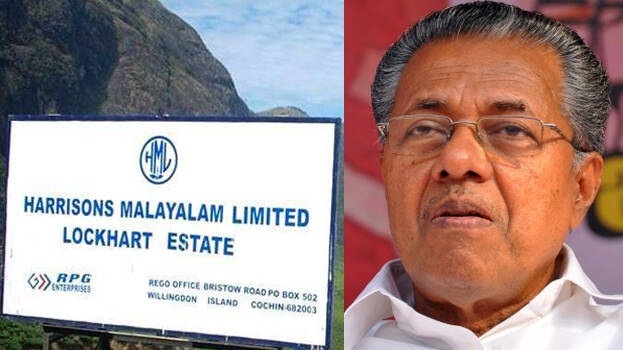
Harrisons Malayalam Ltd H1 FY26 – The Plantation Veteran’s Tea Gets Stronger, Rubber Bounces Back, and the Goenkas Still Sip Calmly Amid Kerala Court Drama
1. At a Glance
If there was a Bollywood biopic on plantations, Harrisons Malayalam Ltd (HML) would be the rugged old actor still pulling off lead roles after decades. Incorporated in 1978 and now a part of the RP-Sanjiv Goenka Group, this ₹322 crore market-cap veteran continues its two-act show: tea and rubber. At a current price of ₹174, the stock has been brewed weaker than its past—down nearly 29% in a year and 18.8% over three months—but still manages a P/E of 11.2, cheaper than your average plantation chai stall.
The Q2 FY26 (H1 FY26) numbers show that HML’s operational sap is still flowing. Half-yearly consolidated profit stood at ₹12.38 crore, up sharply despite rubber’s moody weather tantrums and tea’s usual drama. The latest quarterly sales were ₹134 crore with a PAT of ₹6.42 crore, showing a 56.2% YoY profit surge even as sales dipped by 2.11%. ROE sits at 9.5%, ROCE at 11%, and debt at ₹114 crore (Debt/Equity = 0.69).
Still, with zero dividend yield, Kerala land litigations, and the Government’s rubber-replantation ban saga, HML looks like the class topper who keeps getting detention.
2. Introduction
Let’s admit it—plantation businesses are the OG slow burners of the Indian economy. While IT stocks swing like crypto and PSU banks discover religion every election season, companies like Harrison Malayalam quietly trim, pluck, and latex their way into balance sheets.
For the uninitiated, HML is part of the RPG empire—the same folks who brought you CESC, Saregama, and Spencer’s. Only here, instead of light bills and vinyl records, the Goenkas manage 13 lush tea estates and 11 rubber plantations across Kerala and Tamil Nadu.
Tea contributes around 46% of revenue, rubber 54%, and exports sip a modest 11% of total turnover. The company’s latest FY23 revenue was ₹530 crore, with a PAT of ₹28.8 crore. That’s an 11x jump in profits from the rubber drought of FY24—a comeback worthy of a Malayalam thriller sequel.
Of course, it’s not all smooth sipping. The Kerala government’s tree-felling ban once clipped HML’s rubber output—literally. But after a Supreme Court win allowing replantation, the company can finally chop, replant, and hopefully re-prosper.
And because no Indian corporate story is complete without courtroom drama, the Kerala government has filed fresh land suits (Oct 2025). Yes, even plantations have plot twists.
3. Business Model – WTF Do They Even Do?
Imagine if Amul sold caffeine and tyres—that’s roughly what HML does.
The company grows tea on 6,084 hectares and rubber on 7,354 hectares. From its 13 tea estates and 11 rubber plantations, it produces CTC, orthodox, green, and white teas, plus sheets of natural rubber. It also runs factories with an installed capacity of 23 million kg of tea and 13+ million kg of rubber annually.
HML’s tea business is a mix of own-leaf and bought-leaf operations. Out of 14,176 MT of tea processed in FY23, about 3,488 MT came from farmers. The average realization: ₹148.69/kg—not bad for leaves that literally fall off trees.
The rubber side harvested 6,624 MT from its gardens and bought another 5,495 MT. Average realization: ₹166.04/kg. Unfortunately, parts of its Kumbazha estate (140 hectares) remain untapped due to encroachment—yes, the trespassers are getting free oxygen and possibly free pineapples, thanks to HML’s quirky barter arrangement with vendors who plant pineapples in idle rubber estates.
Beyond the big two, the company also dabbles in minor crops like pineapple, cardamom, and pepper—basically a fruit basket with better EBITDA margins than some smallcaps.
4. Financials Overview
Quarterly Results (₹ in crore)
Metric
Q2 FY26
Q2 FY25
Q1 FY26
YoY %
QoQ %
Revenue
134.4
137.3
116.5
-2.11%
15.4%
EBITDA
8.21
7.35
8.21
11.7%
0.0%
PAT
6.42
4.11
5.96
56.2%
7.7%
EPS (₹)
3.47
2.22
3.22
56.3%
7.8%
Commentary: When your PAT grows 56% YoY while sales dip, it means one thing—better cost control or divine intervention (possibly both). Operating margins improved to 7.05%, and the company’s EPS at ₹3.47 per quarter annualizes to ₹13.9—that’s how we get a P/E of roughly 11.2x, much lower than the industry average of 30.8x.
It’s like getting Darjeeling quality tea at roadside chai prices.