GVK Power & Infrastructure Q3 FY26: ₹0 Sales, ₹-1,575 Cr TTM Loss, ₹701 Cr Debt & CIRP Drama — Is This Even a Business Anymore?
1. At a Glance – The Infrastructure Giant That Shrunk to a Footnote
Market Cap: ₹467 Cr Current Price: ₹2.97 Book Value: ₹-9.20 (Yes, negative. Not a typo.) TTM Sales: ₹125 Cr TTM PAT: ₹-1,575 Cr Debt: ₹701 Cr ROCE: 10.6% Interest Coverage: -2.81 Return (1 year): -28.3%
Ladies and gentlemen, welcome to one of the most dramatic balance sheet sagas in Indian infrastructure history. Once a diversified infra conglomerate with airports, roads, power plants and global ambitions, GVK Power & Infrastructure now reports ₹0 quarterly sales in Q3 FY26.
Zero.
Sales.
While losses continue.
The company is under CIRP (Corporate Insolvency Resolution Process). Subsidiaries are in liquidation. Revenue assets have expired. Airports are gone. Toll roads have been handed back. One gas plant is in preservation mode drawing 500 kW just to stay alive.
This is not a slowdown. This is a corporate survival thriller.
Ready? Let’s open the case file.
2. Introduction – From Airports to Insolvency
GVK Power & Infrastructure Limited was once part of the elite infra club. It operated airports. It ran power plants. It managed expressways. It signed 20-year concession agreements with NHAI.
Now?
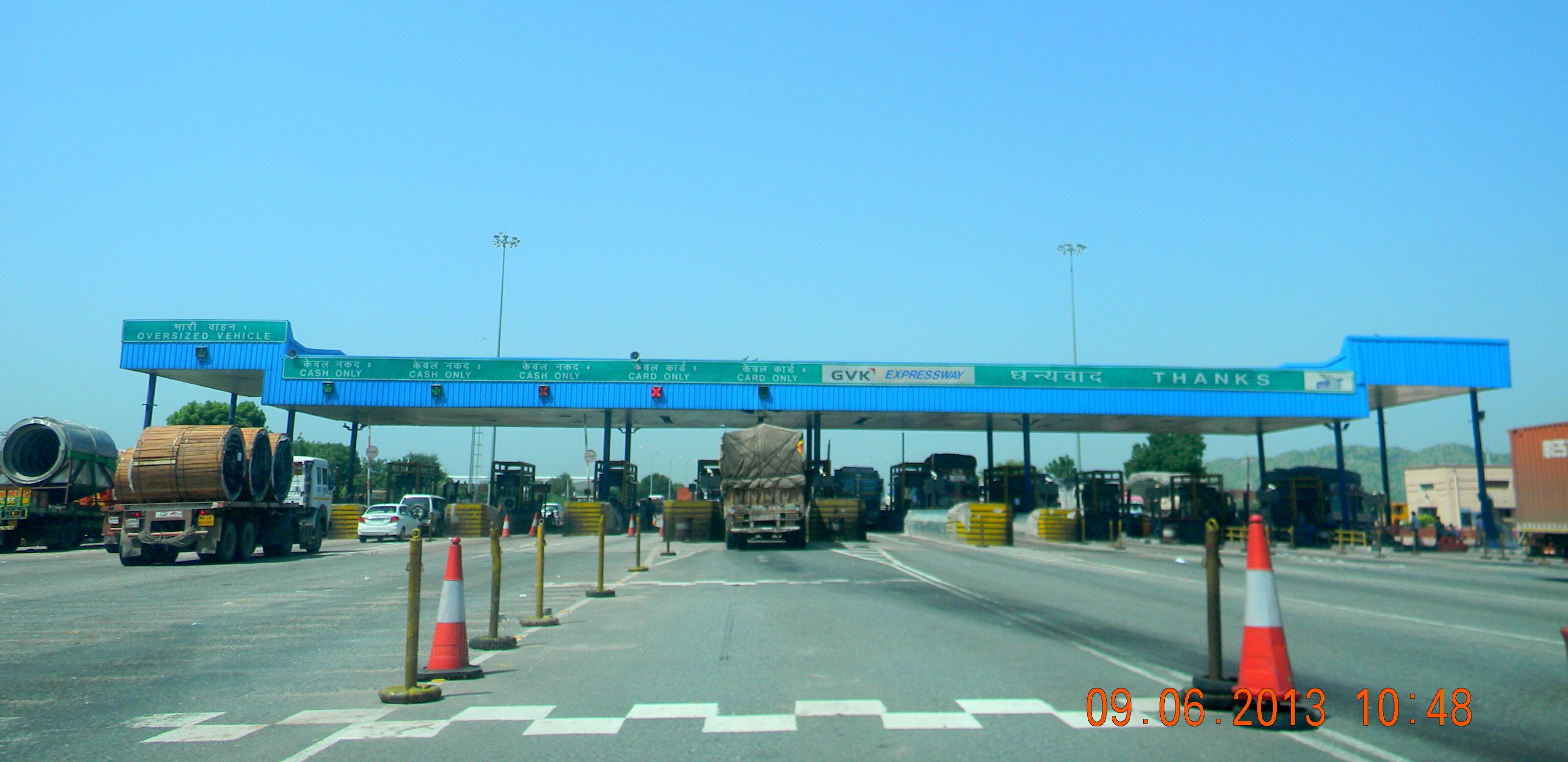
The transportation segment’s only revenue asset — Jaipur-Kishangarh Expressway — concluded its concession in March 2023 and operations were taken over by NHAI.
Airport business? Closed.
Energy projects? One plant shut down. Another under insolvency.
Funding diversification? “Practically no possibility of raising funds from lenders.”
That line alone tells you the gravity of the situation.
And just when you thought things couldn’t get more dramatic, insolvency petitions pile up:
GVK Industries Limited – under liquidation
GVK Power (Goindwal Sahib) Limited – CIRP admitted
GVK Energy Ltd – CIRP initiated
Parent company – under CIRP
This is not restructuring. This is asset-by-asset unraveling.
Question for you: If a company loses all revenue-generating assets, what exactly are shareholders investing in?