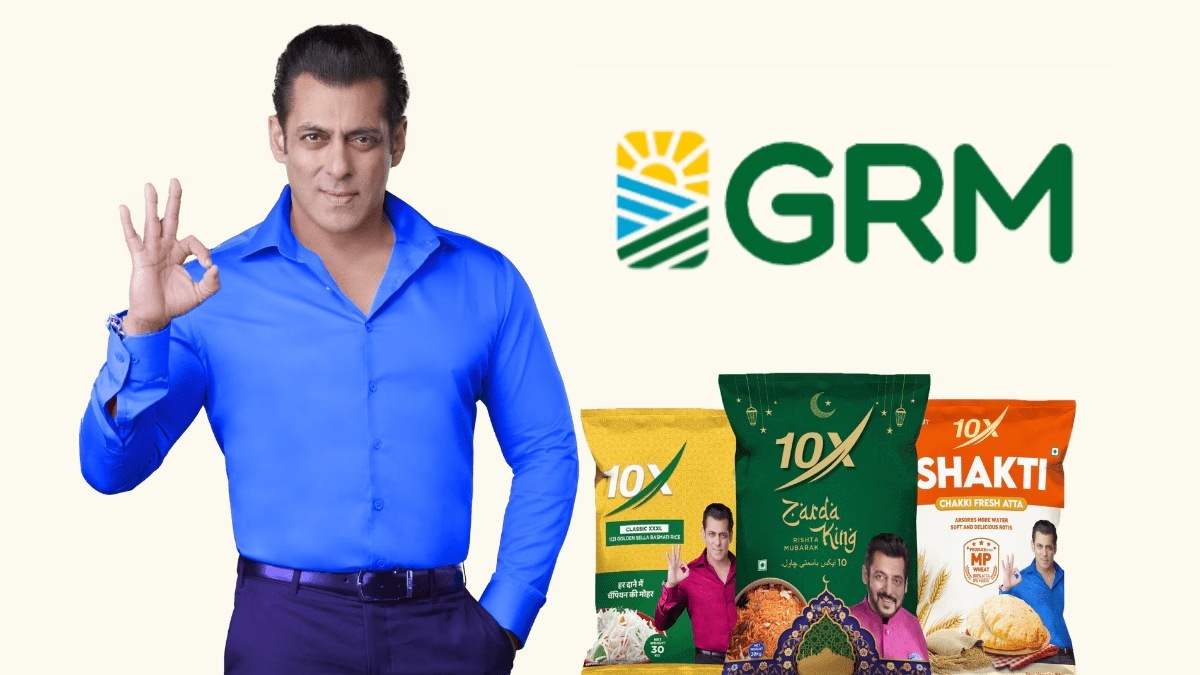
1. At a Glance – The Rice That Made the Market Spicy
GRM Overseas is having a main character moment. The stock is trading around ₹160, market cap ~₹2,965 crore, up 112% in one year, and suddenly everyone who once ignored rice exporters is acting like a long-term believer. Q3 FY26 delivered ₹483 crore revenue (+30% YoY) and ₹19 crore PAT (+41% YoY), which is solid, no doubt. But here’s the fun part: the stock is now sitting at ~40x earnings, in a business where margins are thinner than a basmati grain split vertically.
ROE is a respectable 16%, ROCE 13.5%, debt-to-equity 0.44, and operating margins hover around 6–7% on a good day. Exports contribute ~77% of revenue, making GRM a global rice citizen with passports stamped in 42+ countries. The promoter family still owns ~68%, though that number has been gently sliding down like a loose sack of rice in a warehouse.
So yes, numbers are improving, the narrative is strong, and the stock has momentum. But at this valuation, GRM is no longer just selling rice — it’s selling expectations. And expectations, unlike rice, spoil very fast if not stored properly.
2. Introduction – From Commodity Grinder to FMCG Aspirant
GRM Overseas started life like most Indian agri exporters: buy paddy, mill rice, export sacks, pray to currency gods. For years, it was a boring, cyclical, working-capital-heavy business that markets politely ignored. Then something changed.
Management decided they didn’t want to be just another nameless exporter. Enter branding, consumer products, and the magic word: FMCG. The 10X brand was rolled out domestically with rice, spices, atta, oils, and even ready-to-cook biryani kits. Suddenly, GRM wasn’t just competing with KRBL and LT Foods; it was dreaming of shelf space next to Tata Sampann and Fortune.
And markets love dreams.
The timing helped. Global rice prices firmed up, India’s export position strengthened, and GRM scaled volumes aggressively. Revenues crossed ₹1,400 crore, profits improved, and the stock rerated hard. Add a 2:1 bonus issue, some preferential warrants, and regular investor presentations — voilà, liquidity + excitement.
But let’s not get emotional. This is still a low-margin, high working capital, commodity-linked business trying to cosplay as FMCG. The transformation is real, but incomplete. The question is not whether GRM is improving. It is how much of that improvement is already priced in.
So before we start calling this a “rice Titan”, let’s open the books properly.
3. Business Model – WTF Do They Even Do?
At its core, GRM Overseas does three things:
- Procures paddy
- Processes and mills basmati rice
- Sells it domestically and internationally
That’s