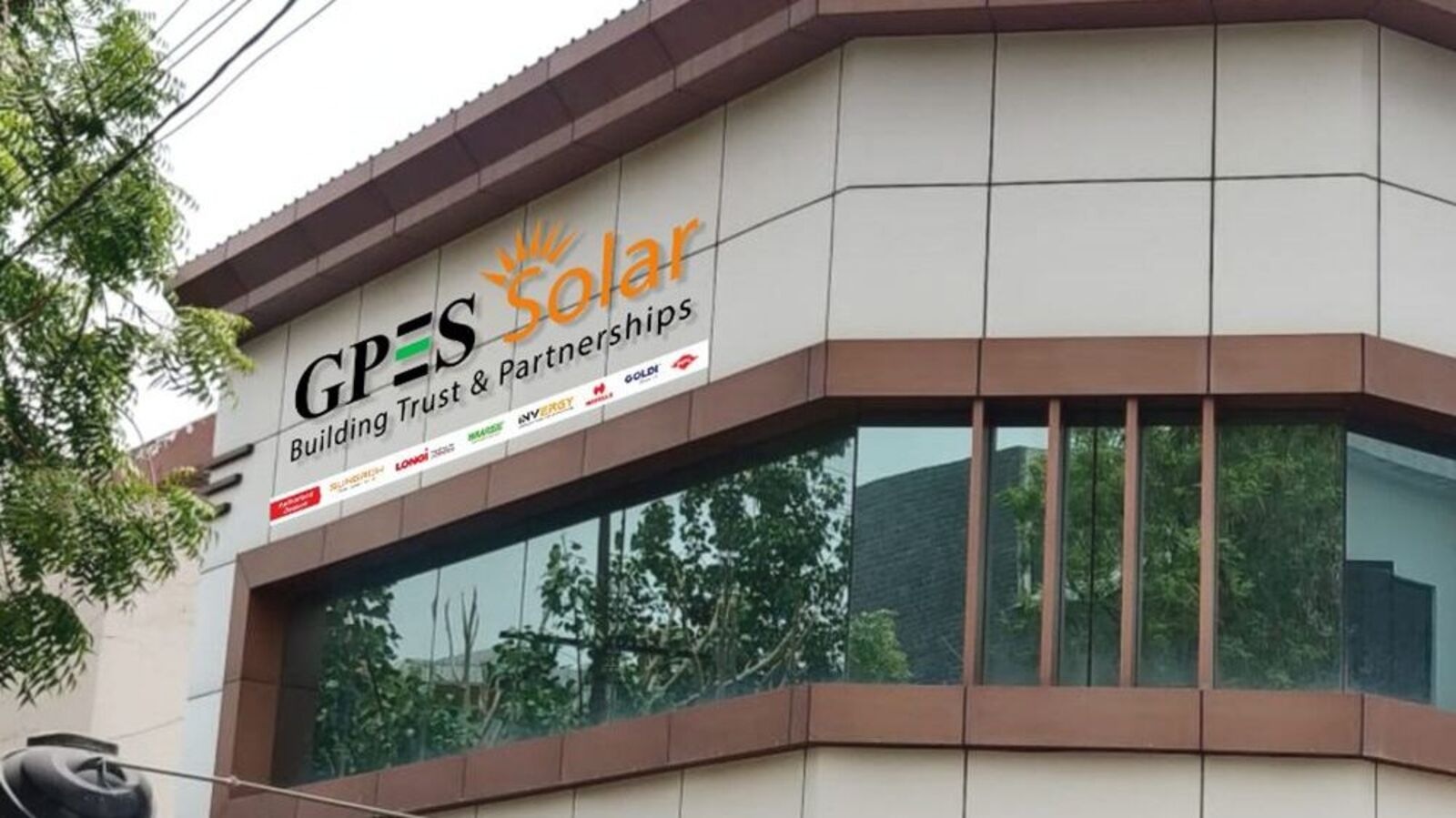
GP Eco Solutions India Ltd H1 FY26: From Solar Panels to Power Plays — ₹121.9 Cr Revenue, ₹10.4 Cr PAT, and a 3 GWh Dream in Motion
1. At a Glance
GP Eco Solutions India Ltd has gone from being a North Indian solar inverter distributor to a full-fledged energy powerhouse that now dreams in gigawatt-hours. With a market cap of ₹574 crore and a stock price chilling at ₹485 (after touching ₹616), this SME-listed energy play is the classic “humble beginning, electric ambition” story. The company’s H1 FY26 results made analysts blink twice — ₹121.94 crore in revenue and ₹10.4 crore PAT, implying a 45.8% YoY jump in sales and an electrifying 113% jump in profit.
The numbers look shiny: ROE at 23.6%, ROCE at 25.4%, and an 8.35% operating margin that’s decent for a trading-heavy solar business. But wait, there’s a ₹72 crore debt load and debtor days creeping to 95 — clearly, the sunlight takes its time turning into cash. The stock trades at a pricey 35.7x P/E, but when you have dreams of building a 3 GWh Battery Energy Storage System (BESS) factory, maybe valuation gravity doesn’t apply.
The company is pulling off a balancing act — distributing Sungrow and LONGi panels like a pro, expanding its own brand “INVERGY,” and adding EPC projects and BESS ambitions for extra wattage. Investors, grab your shades — GP Eco’s numbers are bright, but we need to check if they’re solar bright or flashbulb bright.
2. Introduction
Once upon a time in 2010, GP Eco Solutions started out selling solar equipment like every other hopeful renewable entrepreneur in India. Fast forward to FY25–26, and the company is talking about GWh-scale battery storage like it’s ordering chai. Somewhere between “authorized distributor” and “integrated EPC provider,” GPESL figured out how to turn sunlight into serious cash flow — well, almost.
Their claim to fame? Distribution rights for Sungrow inverters and panels from Saatvik and LONGi — basically, they sell the big boys’ stuff and make it sound like magic. The EPC business (where they actually build solar plants) adds a techie sparkle but remains a smaller contributor. The real action is in trading and distribution — low margins, high volume, and endless credit cycles.
And then came the twist — their homegrown brand “INVERGY.” Think of it as the desi Tesla cousin trying to make hybrid solar inverters and LFP batteries cool. Combine that with plans for a 3 GWh BESS facility starting January 2026, and you realize this company doesn’t do small dreams.
But as every investor knows, expansion comes with debt, delays, and drama. ₹72 crore in borrowings, creeping receivables, and a P/E of 35+ tell us that GP Eco’s journey is less “overnight success” and more “powered by EMI and optimism.” Still, for a company that increased its authorized capital from ₹25 lakh to ₹12 crore and distributed 70 lakh bonus shares, optimism seems to be the core energy source here.
3. Business Model – WTF Do They Even Do?
Let’s decode the GP Eco business like a detective investigating a solar-powered crime scene.
Primary Business: GP Eco is primarily a distributor of solar inverters and solar panels — they don’t manufacture these; they sell them for big global brands. Around 73% of FY24 sales came from Sungrow inverters, 12% from Saatvik panels, and 15% from hybrid inverters (under their brand INVERGY).
Secondary Business: They also act as an EPC (Engineering, Procurement & Construction) contractor, building solar plants for clients. But this segment contributes less than distribution.
Tertiary (but hyped) Business: Manufacturing under the INVERGY brand — focusing on hybrid inverters and lithium ferro phosphate (LFP) batteries. The company plans to set up large-scale manufacturing capacity for this, claiming to bring new “hybrid” energy solutions to India.
So, in simple words: They buy from Sungrow, sell to India, and dream of becoming the next Tesla.
Revenue segments (FY24):
On-grid inverters: 45%
Hybrid inverters: 9%
Panels: 27%
The rest? EPC and miscellaneous projects. Geographically, over 80% of revenues come from just four states — UP, Uttarakhand, Punjab, and Delhi. It’s North-heavy, but now they’re planning a national (and international) spread, including a possible southern India push and export ambitions.
So yes, GP Eco is an energy middleman evolving into a manufacturer — like a trader realizing “margin kam hai, factory kholni padegi.”
4. Financials Overview
(Data Type: Half-Yearly Consolidated Figures in ₹ Crores)