1. At a Glance
Welcome to Godrej Industries Ltd (GIL), the great Indian business buffet where you can find everything from hair color to housing colonies to hybrid cows — all under one family surname. With a market cap of ₹35,800 crore, current price of ₹1,063, and a debt that could make even a government blush (₹46,566 crore), this diversified behemoth is both a business empire and a case study in balance sheet gymnastics.
In Q2 FY26, the company reported revenue of ₹5,032 crore and PAT of ₹242 crore, down 15.7% QoQ, despite steady topline growth of 4.73% QoQ. The EPS for the quarter was ₹7.2, which annualized gives around ₹28.8 — matching its TTM EPS of ₹28.6. That’s a P/E ratio of 37.2, a luxury price tag for a company that’s still deciding which of its many businesses should actually make money.
With a ROE of 9.64%, ROCE of 7.83%, and a Debt-to-Equity ratio of 4.48, GIL isn’t exactly in the business of “light balance sheets.” But who cares? It’s the Godrej name — half the Indian bathrooms have something from their stable, and the other half live in their apartments.
2. Introduction
If conglomerates were extended families, Godrej Industries Ltd would be that wealthy uncle who owns half the city but still borrows your Netflix password. Founded as part of the larger Godrej Group, the company operates across multiple sectors — chemicals, real estate, consumer goods, agriculture, and now financial services — because apparently, “focus” is overrated.
Every Indian has interacted with Godrej in some form: your soap (Godrej Consumer), your home (Godrej Properties), your chicken feed (Godrej Agrovet), or even your home loan (Godrej Capital). GIL is the proud promoter of all these verticals — the mothership, if you will — and holds significant stakes in these listed powerhouses.
Yet, despite this empire, the parent company itself often behaves like that relative who’s rich in property but broke in cash flow. The operating profit margin (OPM) of just 8.56% and interest coverage of 2.28x scream “conglomerate fatigue.”
But let’s be honest — it’s hard to hate a company that owns Park Avenue, Cinthol, Godrej No.1, Nature’s Basket, Interio, and a few thousand acres of prime Mumbai real estate.
Still, one wonders: with such diverse revenue streams, is GIL an investment or an emotional attachment for the Indian middle class?
3. Business Model – WTF Do They Even Do?
Short answer: Everything, everywhere, all at once.
Long answer: Godrej Industries has five main verticals and one unshakeable surname.
- Chemicals:
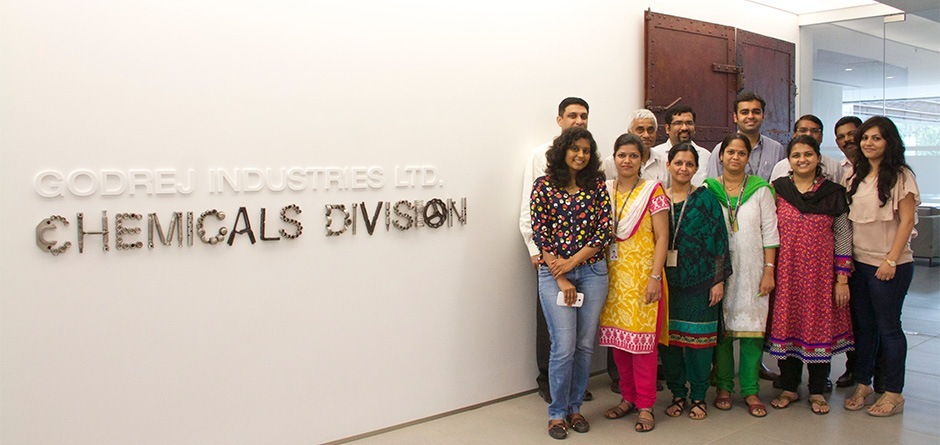
The only operating business directly under GIL’s standalone arm. They produce oleochemicals — fatty alcohols, surfactants, glycerin, and fatty acids — fancy words for ingredients in soaps, cosmetics, and detergents. In other words, they sell the chemical soup that goes into making you smell nice. - Consumer (via GCPL):
Through its stake in Godrej Consumer Products Ltd, GIL indirectly earns from the same shampoo, air fresheners, and hair dyes that clog your bathroom shelf. - Real Estate (via Godrej Properties):
Their projects like