The women’s bottom-wear giant, Go Fashion (India) Ltd, just dropped its Q4 and full-year FY26 results, and to put it bluntly, the numbers look like a pair of leggings that have been through a few too many high-heat dryer cycles—shrunk and slightly out of shape. While the company maintains its dominance with an 8% market share in the branded space, the latest quarter was a brutal reality check. Net profit for Q4 FY26 crashed by a staggering 60.0% YoY, landing at a mere ₹7.95 crore.
Is the “Go Colors” magic fading, or is this just a tactical wardrobe change? The market seems to have made its mind up already, with the stock price taking a 56.3% haircut over the last six months. When your stock price falls faster than a pair of loose-fitting trousers, it’s time to dig into the fabric of the financials.
1. At a Glance – The Bottom Wear Detective
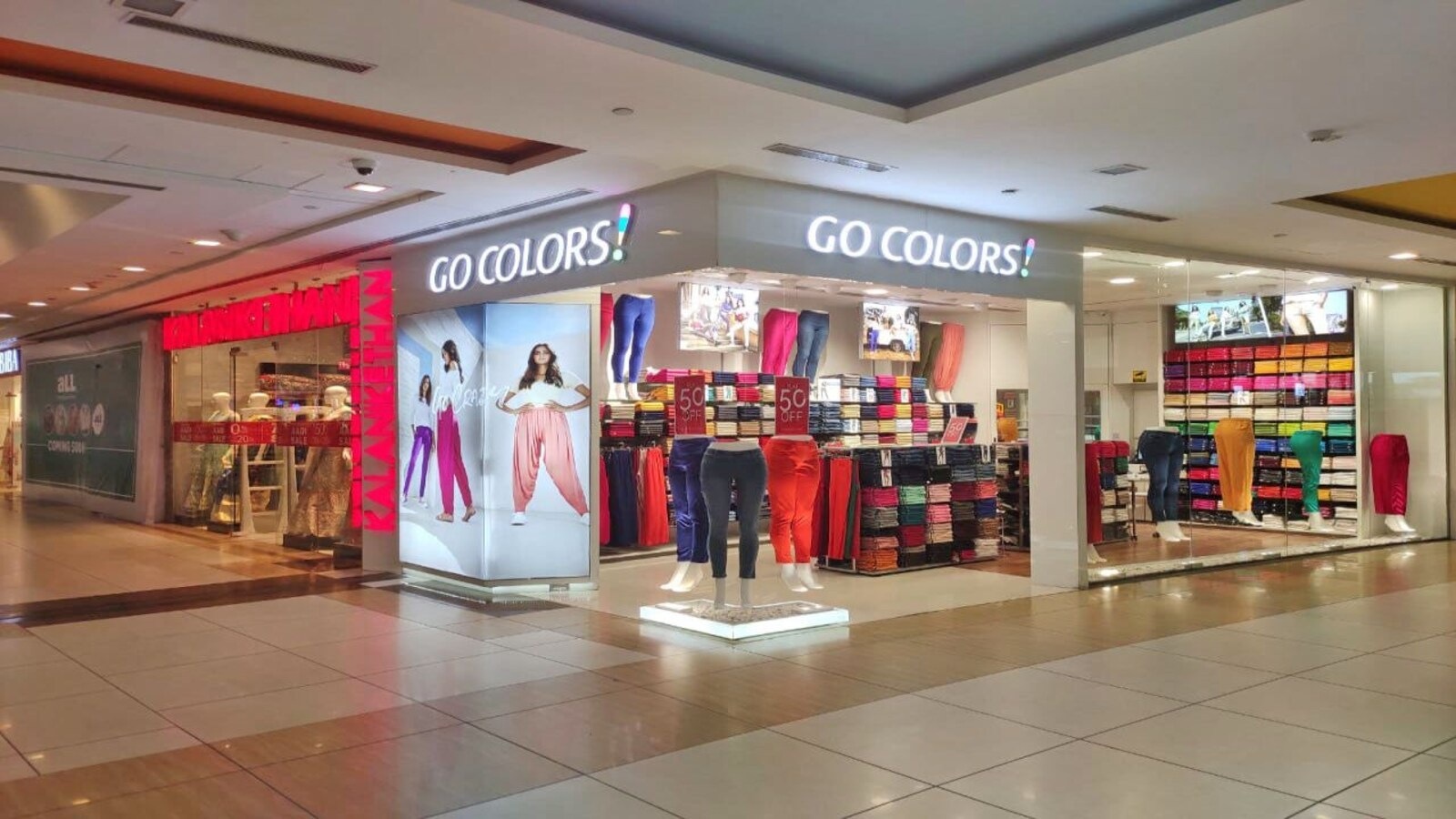
If you walked into a Go Colors store today, you’d see a rainbow of 120+ colors and 50+ styles. But if you look at the Q4 financial statement, the only color you’re seeing is red. Revenue for the quarter stood at ₹196.12 crore, down 4.24% from the same period last year. For a high-growth retail story, “down” is a word that usually isn’t in the vocabulary.
The most alarming metric isn’t just the falling revenue; it’s the Net Profit, which cratered from ₹19.89 crore in Q4 FY25 to ₹7.95 crore this quarter. We are looking at a company that was once a darling of the “organized retail shift” now struggling with a massive SSSG (Same Store Sales Growth) decline of -2.6%.
Management is blaming a “challenging quarter for apparel” and a “footfall drought.” But here is the kicker: while they were waiting for customers to show up, a major Large Format Store (LFS) partner basically ghosted them. We’re talking about a 45-day replenishment freeze where no new stock was taken in. Imagine being a fashion brand and not being allowed to put your clothes on the racks of your biggest partners for a month and a half. That’s not just a “challenge”; that’s a mid-life crisis for a retail brand.
The company is now pivoting. They are closing small, “sub-scale” stores (anything under 300 sq. ft.) and betting the house on larger 700+ sq. ft. EBOs (Exclusive Brand Outlets). They want to show you the “full range,” but the question remains: if they couldn’t get people into the small stores, will a bigger sign and more floor space bring them in, or just increase the electricity bill?
The balance sheet remains the only fortress here, with zero external bank debt and a healthy cash pile. However, with a P/E ratio of 25.7 and profit growth trending in the negative ( -36.5% TTM), the “growth” tag is currently hanging by a very thin thread.
2. Introduction – The Leggings Empire Strikes Back (Slowly)
Go Fashion (India) Ltd, known by its brand Go Colors, is the undisputed queen of Indian women’s bottom wear. Since 2010, they’ve turned the humble legging and churidar into a multi-crore business. They operate a massive network of 802 EBOs and 2,568 LFS points across 195 cities.
The thesis for Go Fashion has always been simple: women’s ethnic wear is moving from unbranded to branded. Instead of going to a tailor or a local shop, women are choosing the standardized fit and vast color palette of Go Colors. It worked brilliantly for a decade.
But the landscape in 2026 is looking different. The “unbranded to branded” shift is largely played out in metros, and competition is heating up from everyone from Trent’s Zudio to local digital-first brands. Management admitted in the latest concall that the “number of brands has significantly increased” post-COVID.
The company is currently in a transitional phase, moving from being a “leggings specialist” to a “total bottom wear destination.” Non-leggings products like cargo pants, palazzos, and denims now make up ~70% of their revenue. They are even flirting with men’s wear through their “Daily Wear” pilot.
3. Business Model – WTF Do They Even Do?
Go Fashion does one thing: they cover the bottom half of the Indian woman. Whether it’s an ethnic churidar for a wedding, joggers for a gym session, or cargo pants for a Gen-Z brunch, they have