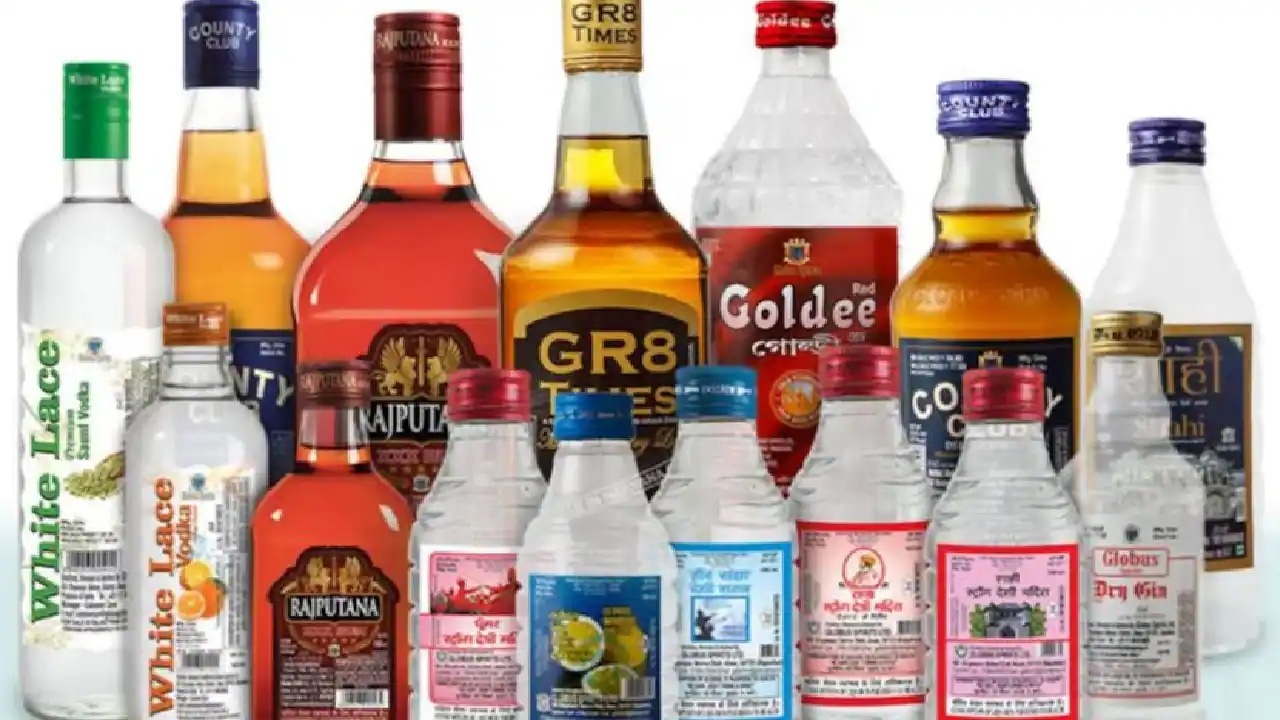
The Indian alcohol landscape is witness to a brutal Darwinian shift, and Globus Spirits Limited just dropped a balance sheet that proves they aren’t just surviving—they are evolving. While the industry grapples with raw material volatility and regulatory flip-flops, Globus has posted a Net Profit of ₹21.3 Cr in the latest quarter, a staggering 284% increase over the same period last year.
This isn’t a fluke. It is the result of a “grain-to-glass” integration strategy that is finally hitting its stride. Investors are taking notice of a company that manages the entire value chain: from high-capacity grain distilleries to premium craft spirits that win awards in Berlin. With the commissioning of the Lakhimpur Kheri unit in Uttar Pradesh, Globus has unlocked a market that is not just a state, but an economy in itself.
However, beneath the headline growth lies a complex web of high debt and a pivot towards “Prestige & Above” (P&A) brands that demands massive working capital. The company is currently sitting on Borrowings of ₹527 Cr, and the management is seeking an enabling resolution to raise up to ₹500 Crore via QIP. Is this a desperate hunt for liquidity, or the war chest needed to dethrone the legacy liquor giants?
1. At a Glance
Globus Spirits is no longer just a commodity bulk alcohol player. It has successfully straddled the line between being a high-volume manufacturing beast and a high-margin brand powerhouse. The numbers tell a story of a company in transition. In FY26, the manufacturing segment generated ₹1,644 Cr, growing 7% YoY, while the EBITDA per liter surged from ₹2.0 to ₹6.2.
The “Prestige & Above” segment, though still a smaller part of the revenue mix at 16%, is growing at a 91% CAGR. This is where the real battle lies. Brands like DŌAAB and TERAI are not just labels; they are the company’s ticket to higher valuation multiples. But growth has come at a cost. The Return on Equity (ROE) stands at a modest 8.81%, reflecting the capital-intensive nature of building maturation stocks for malt whisky.
- Revenue Growth: 7% YoY in FY26, reaching ₹2,710 Cr.
- Operating Profit Margin (OPM): Expanded to 11% in the latest quarter from 3% in Mar 2024.
- Debt-to-Equity: 0.48—manageable, but rising in absolute terms to fund the UP expansion.
The management’s decision to move into the Beer segment via a 50:50 JV with ANSA McAL to launch Carib Beer shows they are hungry for every corner of the consumer’s throat share. But with a Current Ratio of 1.01, the margin for error is razor-thin. One bad harvest or a change in ethanol pricing policy could tighten the noose.
How long can the company maintain its 80% capacity utilization while simultaneously fighting a branding war in the super-premium category?
2. Introduction
Established in 1992, Globus Spirits has spent three decades mastering the art of distillation. They were the first to set up a grain distillery in India and the first to launch branded DDGS (Animal Feed), turning waste into a revenue stream.
The company operates five fully integrated plants across Rajasthan, West Bengal, Haryana, Bihar, and Jharkhand. The newest crown jewel in Lakhimpur Kheri, UP, adds 100 KLPD of capacity. This isn’t just about more liters; it’s about geographic dominance. Uttar Pradesh is the most critical liquor market in India, and having a local manufacturing base is a strategic moat against interstate taxes.
The business is now split into two distinct worlds:
- Manufacturing: Providing ENA and Ethanol to OMCs and other liquor players.
- Consumer: Selling everything from ₹100 country liquor (IMIL) to ₹4,200 luxury craft spirits.
This “360-degree model” is designed to protect margins. When grain prices rise, they pass it on through bulk ENA. When branding takes off, they reap the rewards in the P&A segment. It sounds perfect on paper, but the execution