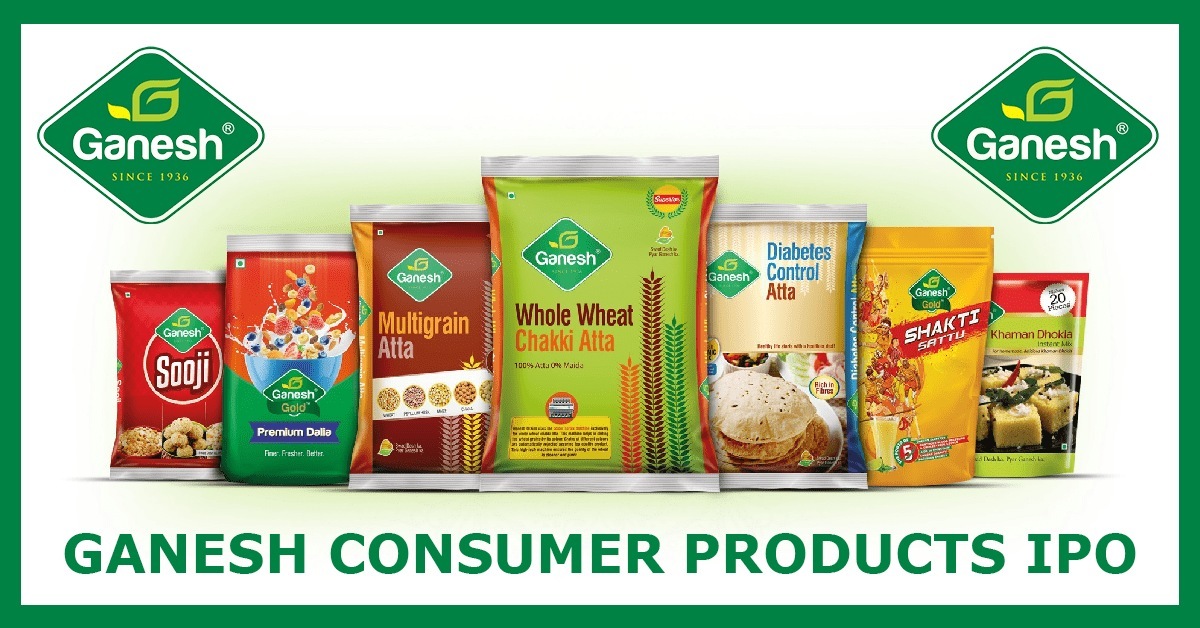
Ganesh Consumer Products IPO Q2 FY26: 12% Revenue Growth, 31% PAT Boost, P/E 37x — Atta, Besan aur IPO ke hisaab kaun karega?
1. At a Glance
Ganesh Consumer Products wants ₹408.8 crore from you. Out of this, ₹130 crore is fresh dough for expansion, while ₹278.8 crore is pure “thank you retail” exit for the promoters. They’re East India’s packaged flour giant, flaunting atta, besan, sooji, sattu, and spices. Revenue grew 12%, PAT rose 31%, ROE at ~16% is decent, but the IPO is asking for a P/E of ~37x in a brutally competitive FMCG market. That’s like selling dalia at Fabindia prices.
2. Introduction
When you hear “Ganesh” in Kolkata, you expect Durga Puja pandals, laddoos, and bhajans. Instead, you get atta packets and IPO subscription forms. Welcome to Ganesh Consumer Products Ltd., an FMCG player headquartered in Burrabazar, Kolkata, serving East India with wheat flour, gram flour, spices, and snacks.
Founded in 2000, the company grew from being a local atta supplier to the third-largest packaged flour brand in East India. Their distribution web is fat: 28 C&F agents, 9 super stockists, 972 distributors. Basically, you’ll find their flour packet next to your neighborhood tea stall’s Parle-G.
But here’s the catch: FMCG is a margin-sensitive business where giants like ITC, HUL, and Patanjali already play. Can a regional atta brand really justify a ₹1,300 crore market cap at 37x earnings? Or is this IPO just “Chakki Fresh Hawa” marketing?
Question: Do you pay extra for Ganesh atta at your kirana store, or just grab whatever’s cheapest? 🫓
3. Business Model – WTF Do They Even Do?
Ganesh is basically the chakkiwala of Dalal Street. They grind wheat, pack it, and sell it with a fancy logo. But they’ve spiced things up:
Core portfolio: Atta, maida, sooji, besan, dalia.
Value-added flours: Diabetes control atta, gluten-free atta (fancy hipster stuff).
Roasted gram products: Multiple sattu variants (yes, even chocolate sattu — who asked for this?).
Spices: Turmeric, chili, coriander, cumin.
Snacks: Ethnic munchies.
Revenue split: ~77% from B2C retail (main strength), rest from B2B and by-products like cattle feed.
Strength: Stronghold in East India. Weakness: Try selling sattu in Bengaluru and see how many people ask, “Bhai, yeh smoothie hai kya?”
4. Financials Overview
Source table
Metric
FY25
FY24
FY23
YoY %
2Y %
Revenue (₹ Cr)
855.16
765.26
614.78
12% ↑
39% ↑
EBITDA (₹ Cr)
73.24
63.35
56.14
16% ↑
30% ↑
PAT (₹ Cr)
35.43
26.99
27.10
31% ↑
31% ↑
EPS (₹)
9.74
7.43
7.45
31% ↑
31% ↑
Commentary:
Revenue growth modest (12%), profit up (31%) thanks to cost control.
PAT margin only 4.2%. That’s wafer thin — literally thinner than papad.
IPO at 37x P/E? FMCG majors like ITC trade cheaper with 20x earnings and way bigger brands.