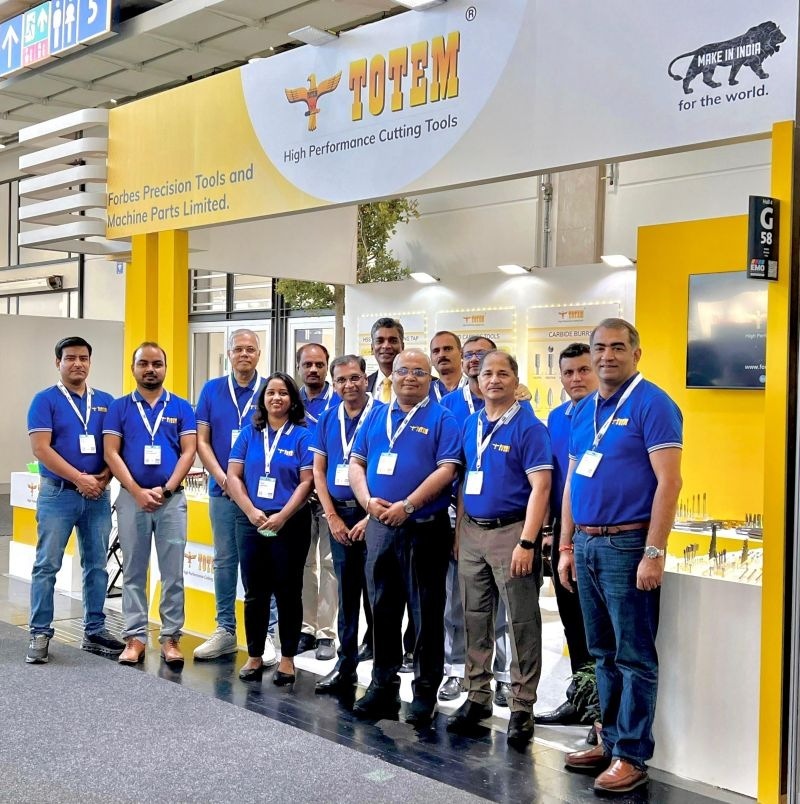
The audited financial results for the year ended March 31, 2026, are out, and the numbers are screaming for attention. Forbes Precision Tools and Machine Parts Limited (FPTMPL) just closed a year where revenue crossed the ₹251 crore mark, but the real story isn’t just in the sales growth. It is in the microscopic precision of their margins and the massive, 94.4% elephant in the room: pledged promoter holdings.
1. At a Glance – The Precision and the Pledge
If you think engineering is just about grease and gears, you haven’t looked at the balance sheet of Forbes Precision. This is a company that operates in the high-stakes world of “Round Tools”—taps, drills, and cutters—where a fraction of a millimeter is the difference between a high-performance engine and a pile of scrap metal.
In FY26, the company reported a Net Profit of ₹28.77 crore, which is almost identical to the ₹28.75 crore reported in the previous year. On the surface, it looks like a flatline. But look deeper. The Revenue from Operations jumped from ₹232.66 crore to ₹251.01 crore. They are selling more, yet the bottom line is being squeezed by rising costs and a one-time labor code hit that wiped off ₹5.90 crore from the profit pool.
Investors are currently staring at a Stock P/E of 25.7, which might seem reasonable compared to the industry median of 30.3, but the “shady” undercurrents cannot be ignored. The promoters, belonging to the illustrious Shapoorji Pallonji Group, have pledged 94.4% of their holding. In the world of finance, that’s not just a red flag; it’s a burning flare.
Why is the primary owner hocking almost their entire stake? While the company maintains a healthy dividend payout of nearly 60% and has a comfortable Debt to Equity ratio of 0.10, the pledge remains a massive structural risk. If the parent group faces liquidity crunches, this precision tool maker could become a collateral casualty.
Despite this, the company is doubling down on capacity. They’ve planned a capex of ₹26.12 crore, up from ₹12.16 crore last year. They are betting big on the “Totem” brand’s dominance in the threading and drilling market. The question is, will the operational excellence be enough to outrun the promoter-level financial drama?
2. Introduction: From 1767 to the Modern Demerger
Forbes Precision isn’t some startup that appeared out of thin air. It carries a legacy that dates back to 1767. It has passed through the hands of the Forbes family, the Tatas, and finally, the Shapoorji Pallonji Group in 2002. However, the company as we see it today on the BSE is a result of a Scheme of Arrangement approved in February 2024.
The precision tools business was carved out of Forbes & Company Limited to unlock value. Since March 1, 2024, it has operated as a standalone entity, focusing strictly on engineering tools. This was supposed to be a “clean” play for investors who wanted exposure to industrial consumables without the baggage of the parent’s other legacy businesses.
The company operates out of its Waluj plant in Aurangabad, exporting to over 32 countries. It isn’t just a domestic player; it is a global supplier of high-speed steel (HSS) and carbide tools.
But as an auditor would tell you, heritage doesn’t pay the interest. The transition to a standalone entity has brought more transparency, but it has also highlighted the operational dependencies. With a Market Cap of ₹738 crore, it sits in the micro-cap