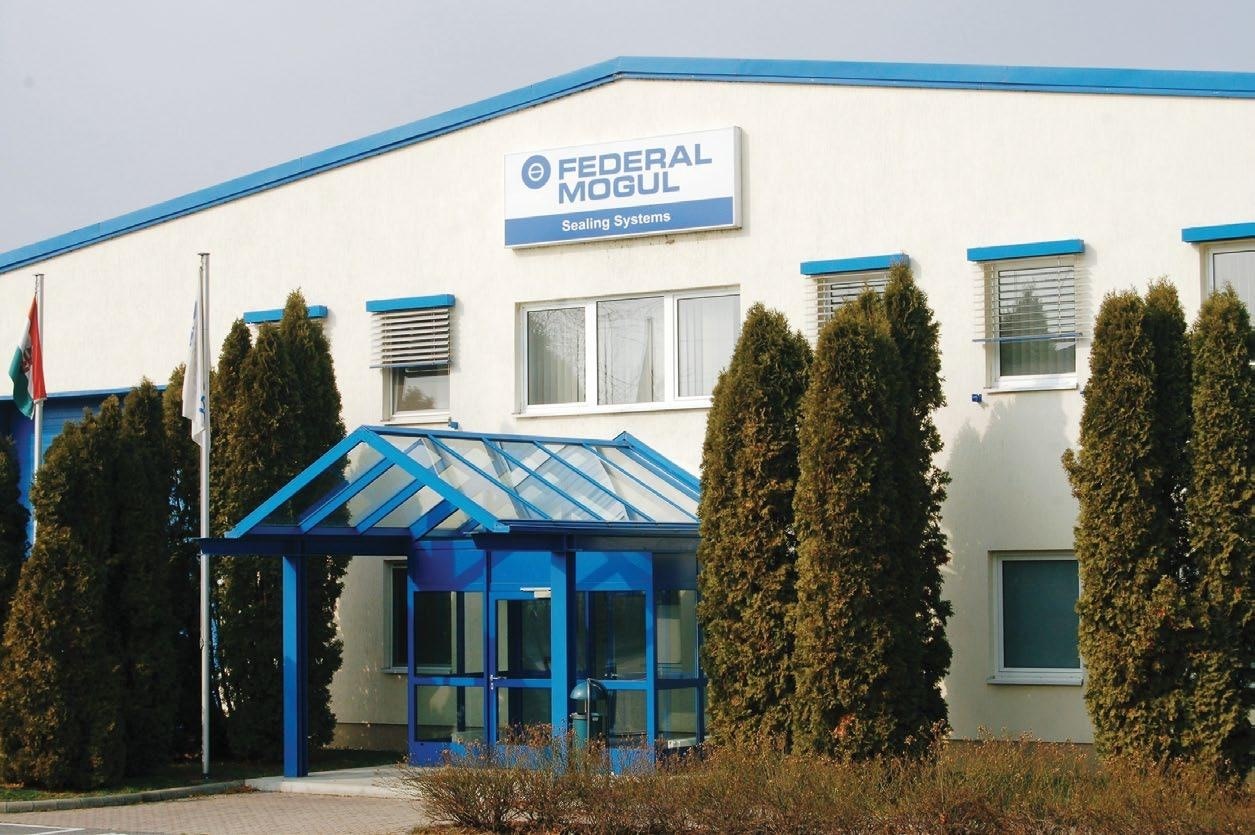
1. At a Glance – Pistons Printing Profits While Stock Sleeps
At ₹432 per share and a market cap of ₹2,402 crore, Federal-Mogul Goetze (India) Ltd is quietly doing what many auto component companies only tweet about — generating real cash and real profits. Q3 FY26 (Dec 2025) revenue came in at ₹496 crore with PAT of ₹31 crore. The stock trades at a modest P/E of 12.7 versus an industry median of 27.6. ROCE stands at 19.6%, ROE at 14%, and debt is practically invisible at ₹2 crore.
Three-month return? -16.8%.
Six-month return? -16.2%.
One-year return? +19.1%.
So profits up, balance sheet clean, and stock down recently. Classic Dalal Street logic.
This is India’s second-largest piston and piston ring player with ~29% market share. Customers include Mahindra & Mahindra, Bajaj Auto, Maruti Suzuki, Tata Motors, Hero MotoCorp, Ashok Leyland. Top 10 customers contribute ~53% of gross sales. India contributes 93% of revenue, exports just 7%.
Is this a boring auto ancillary… or a quietly compounding machine the market forgot to notice?
Let’s pop the hood.
2. Introduction – The Piston King Nobody Brags About
Founded in 1954 as a joint venture with Goetze-Werke Germany, the company is now a subsidiary of Tenneco Inc after the Federal-Mogul acquisition. In simple terms, this isn’t a fly-by-night SME forging parts in a backyard shed. This is legacy engineering.
It manufactures pistons, piston rings, cylinder liners, sintered parts across 2-wheelers, 3-wheelers, passenger vehicles, commercial vehicles, and even locomotive diesel engines.
And yet — zero dividend.
Profits are growing at 38% CAGR over 5 years. But no payout.
Why? Reinvestment? Parent control? Capital discipline? Or simply “we’ll see later”?
The company paid ₹36 crore royalty in FY24 (~2% of revenue) to its holding group for technical and managerial support. So technology backbone? Strong. Dependency on parent? Also real.
But here’s the interesting bit — debt has reduced drastically over years. Borrowings are now barely ₹2 crore. For an auto component manufacturer, that’s almost suspiciously clean.
Is this conservative management… or under-leveraged potential?
3. Business Model – WTF Do They Even Do?
Let’s simplify.
Engines move vehicles. Pistons make engines move.
This company makes pistons and piston rings ranging from 30mm to 300mm diameter. These go into:
- Two-wheelers
- Passenger cars & SUVs
- Commercial vehicles
- Diesel locomotives