General information and entertainment, not investment advice. The author is not a SEBI-registered adviser or research analyst. No recommendation, no promised returns. Markets carry risk including loss of capital. Figures may not be current. Consult a registered adviser before acting.
1. At a Glance
FY26 revenue declined to ₹733 Cr from ₹966 Cr in FY25—a 24% drop that management attributed to election-related stoppages, payment system transitions, and weather disruptions across multiple geographies.
Q4 standalone consolidated just ₹120 Cr, a 55% quarter-over-quarter plunge. The company buried ~₹100 Cr of work in inventory as WIP because project milestones weren’t completed, transforming potentially billable work into a balance-sheet fiction.
The market has shifted 193 debtor days—the company now carries receivables equal to six months of annual revenue. Net profit tanked to ₹91 Cr (FY25: ₹184 Cr). EPS fell to ₹16.30 from ₹33.05.
Yet the order book sits at ₹1,837 Cr as of March 2026, with a ₹210 Cr win announced post-year-end.
One wisdom line: A business that collects in 193 days while building on government money is not building a moat—it’s building a patience test.
2. Introduction
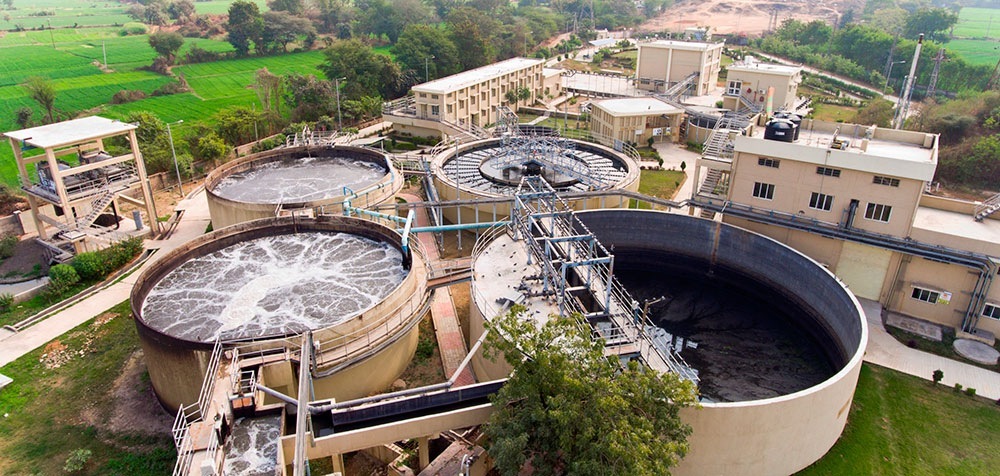
EMS Limited lands in Delhi’s water and sewerage EPC (Engineering, Procurement, Construction) space. The company holds about 70% revenue from government-funded water and wastewater projects—STPs, sewage networks, water treatment plants—and 30% from civil engineering and electrical transmission work.
The past year saw execution chaos across multiple states.
West Bengal’s ₹780 Cr sewer project (the biggest single contributor to Q4 shortfall) halted during the election cycle. Uttarakhand faced bitumen supply disruptions tied to Middle East supply shocks; the company couldn’t complete the bituminous layer on roads until the material arrived, blocking billing milestones. The payment portal transition for AMRUT-type programs (called SPARSH) created a gestation period where government inflows stalled, forcing the company to halt subcontractor payments and demobilize labor.
Heavy rainfall in Uttarakhand added another layer: transmission lines got damaged, delaying road excavation permissions.
Management called it “a perfect storm” and “coincidentally it all happened.” The stock, for its part, has declined 49% over a year.
3. Business Model: WTF Do They Even Do?
EMS builds and maintains sewage systems for urban India. The company’s bread-and-butter is Sewage Treatment Plants (STPs) and sewer network schemes—underground pipelines, house connections, all the glamorous non-sexy work that government mandates under AMRUT and state water authorities.
On the upside: the company has executed 67 projects across India, treated 500+ billion liters of sewage, and laid 1,400 km of sewerage pipes. That’s depth, not breadth.
On the downside: the model is tender-based. Every rupee comes from a government auction, meaning the company perpetually undercuts to win, then fights timeline slippages and milestone-driven payment schedules that look designed by someone who learned accounting from a time-locked safe.
The company also runs the “One City One Operator” model—a HAM (Hybrid Annuity Model) deal with Uttar Pradesh where it operates and maintains STPs for 15 years. This is a margin stabilizer but also a long-tail obligation that ties up management bandwidth.
70% water, 30% buildings and roads. The company explicitly rejected “going private” or leaving government-funded work. It sees this addressable market as 1% of what it could do across urban India. That’s either visionary or delusional—the test is execution.
The company reported ₹100 Cr jump in inventory (work-in-progress) because milestones got stuck. Management stated: “the works which are having some milestones couldn’t be completed up to that extent and the inventory got generated.” Had this WIP been billable, Q4 standalone could have sat at ₹184 Cr instead of ₹84 Cr—a 120% shortfall to narrative magic via balance-sheet reclassification.
Operating profit collapsed to ₹18 Cr in Q4 (Q3: ₹31 Cr). Operating margin fell to 15% (from 27% a year prior).
Concall Guidance & Posture:
Management called the quarter “disappointing” and took accountability. They guided PAT margin normalization to ~15% once WIP clears, expecting 2–3 quarters for recovery. They also flagged target EBITDA margin of ~25% post-correction (against 20% in FY26). No timeline on achieving it.
5. Market Expectations & Historical Multiples
This section describes how the market is currently pricing the company and how that compares with its own history and peer group. It is descriptive, not predictive.